
Sujan Sharma
Sujan Sharma is a content writer at Taskzin with a strong focus on productivity systems, task management, workflow optimization, team collaboration, and SaaS technology. He creates research-driven, practical content that helps professionals and growing teams improve operational efficiency, streamline processes, and make informed decisions about modern work management tools.

Jira vs Monday.com for Non-Technical Teams
An honest comparison of Jira and Monday.com for non-technical teams, covering why the standardisation question arises, where Monday.com's adoption advantage wins, where Jira's single-system argument holds, and how to test it before committing.

Zoho Projects vs Asana
An honest comparison of Zoho Projects and Asana, covering suite membership versus standalone quality, where Zoho's integration and price win, where Asana's interface and cross-project views win, and how to test the suite argument.
Notion vs ClickUp for Project Management
An honest comparison of Notion and ClickUp for project management, covering the difference between a workspace and a project tool, where Notion's documents and flexibility win, the hidden build cost, and how to use both deliberately.

Trello vs Asana: When to Upgrade
An honest comparison of Trello and Asana framed as a timing question, covering why they are not equivalent tools, the specific signals you have outgrown Trello, what you gain and lose by moving, and how to switch well.
How to Measure Productivity Without
A practical guide to measuring team productivity without surveillance, covering what monitoring actually costs, better alternatives to each surveillance metric, flow metrics worth tracking, and how to handle genuine performance concerns.

30 Questions for Better 1:1 Meetings
Thirty questions for one-to-one meetings organised by purpose, with situational questions for new starters, disengagement and skip-levels, guidance on asking them well, and the mistakes that turn one-to-ones into status reports.

Event Planning Template
An event planning template covering a twelve-week phased timeline, a run sheet for the day itself, budget and supplier tracking, how to plan backwards from a fixed date, and the mistakes that cause last-minute panic.

Gantt Chart Template
A Gantt chart template with a worked twelve-week example, covering what a Gantt chart is actually for, the four dependency types, how the critical path works, how to build one that stays accurate, and common mistakes.
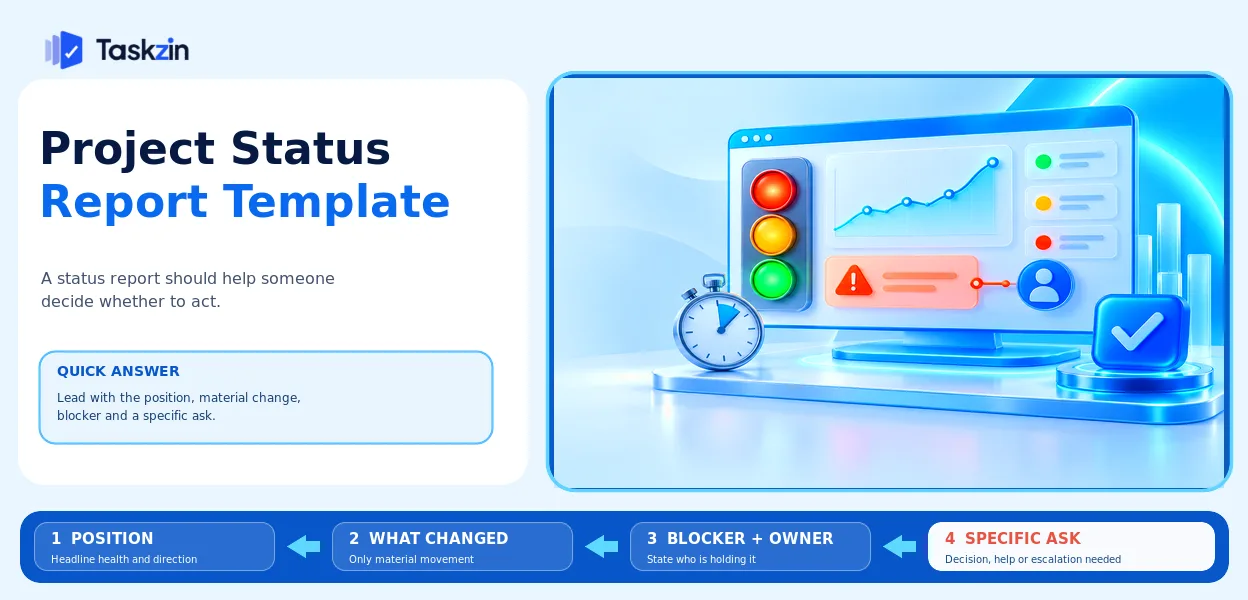
Project Status Report Template
A project status report template with a filled worked example, covering what a report is actually for, how to use RAG status honestly, how to adapt it for executives, peers and the team, and how to write it in fifteen minutes.
Content Calendar Template for Marketing Teams
A content calendar template for marketing teams that tracks workflow stages and ownership rather than just publish dates, with a worked example, guidance on setting up the workflow, planning cadence, and common mistakes.
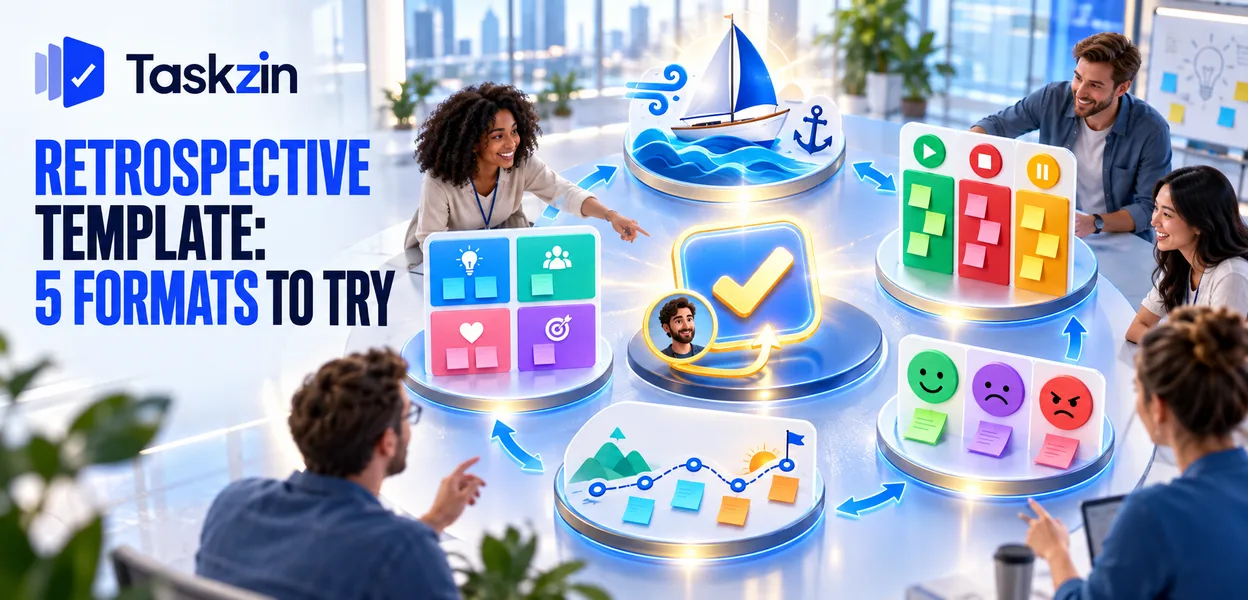
Retrospective Template: 5 Formats to Try
Five retrospective formats with prompts, timings and what each surfaces, covering why rotating formats matters, the one thing that determines whether retros work, facilitation guidance, and common mistakes.
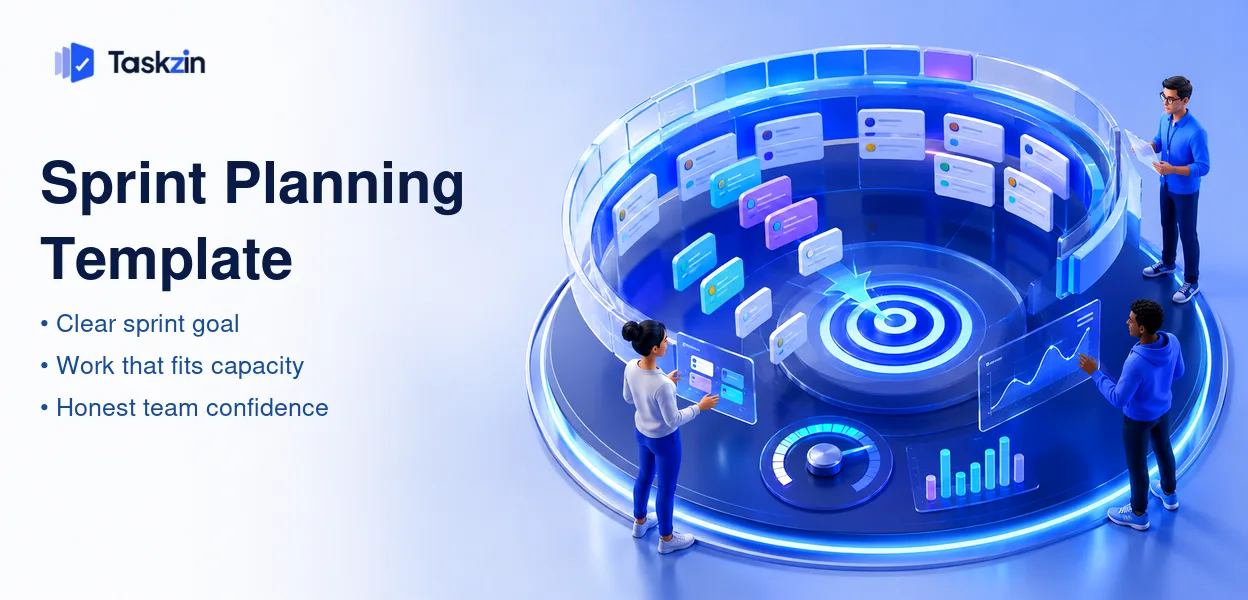
Sprint Planning Template
A sprint planning template with a timed agenda and a filled worked example, covering what the meeting must produce, how to calculate what actually fits, how to facilitate it well, and the mistakes that cause chronic overcommitment.
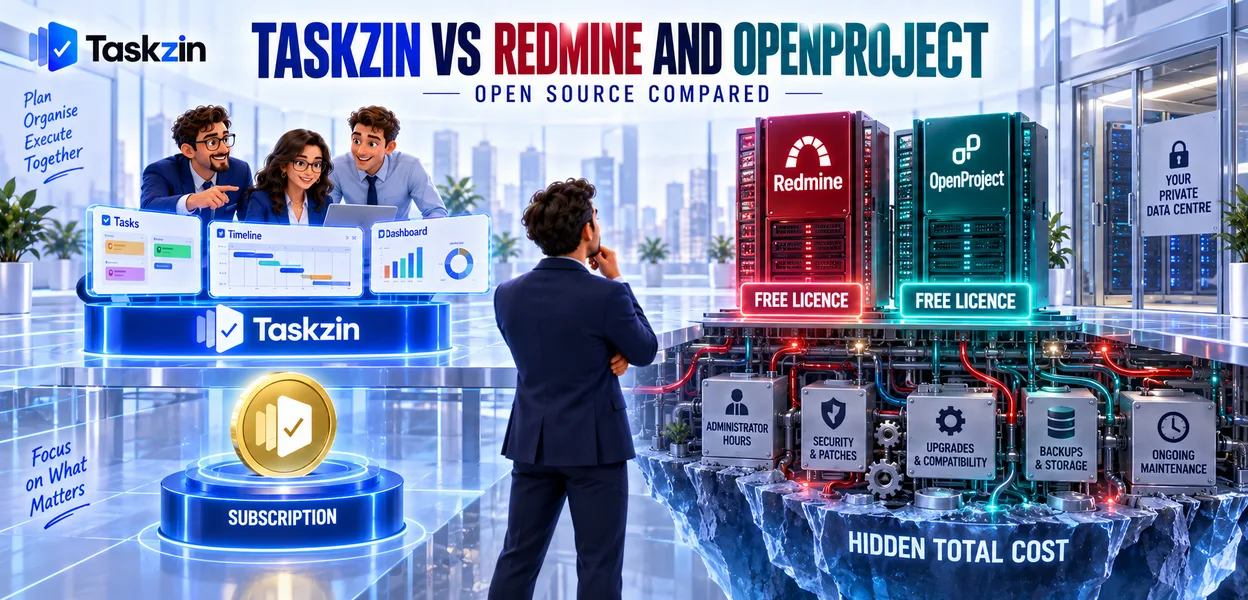
Taskzin vs Redmine and OpenProject (Open Source Compared)
An honest comparison of Taskzin with Redmine and OpenProject, covering what self-hosted open source actually costs beyond the free licence, where data sovereignty and scale make it the right choice, and how Redmine and OpenProject differ.
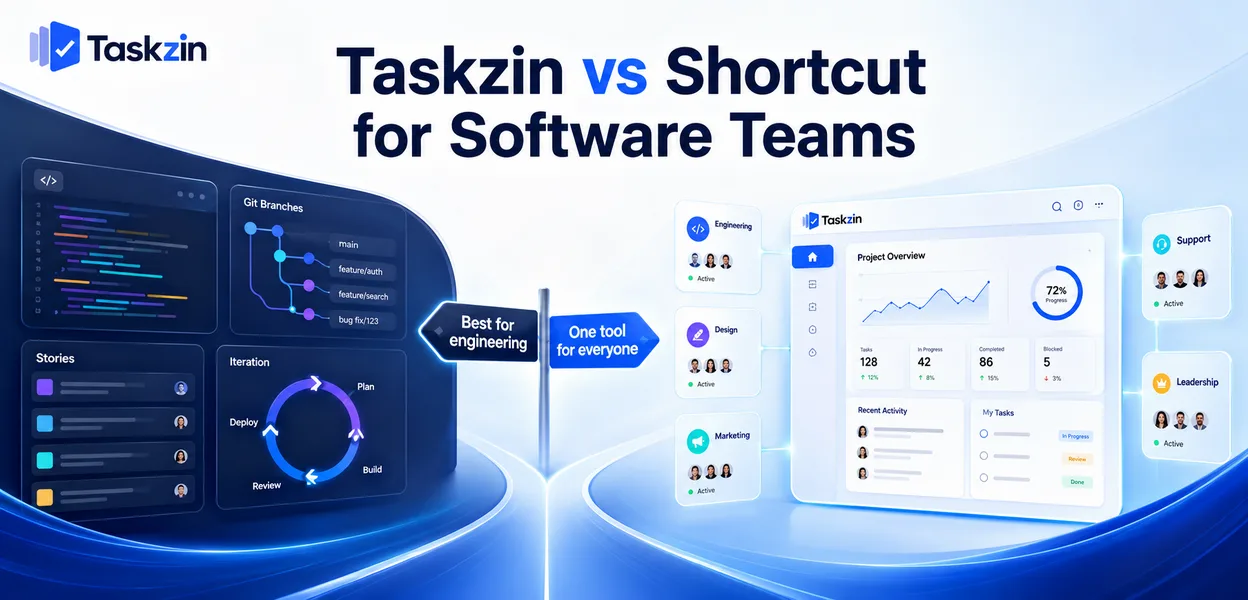
Taskzin vs Shortcut for Software Teams
An honest comparison of Taskzin and Shortcut for software teams, covering Shortcut's engineering-only focus and Git workflow strength, Taskzin's cross-functional scope and stakeholder visibility, and the one-tool-or-two decision.
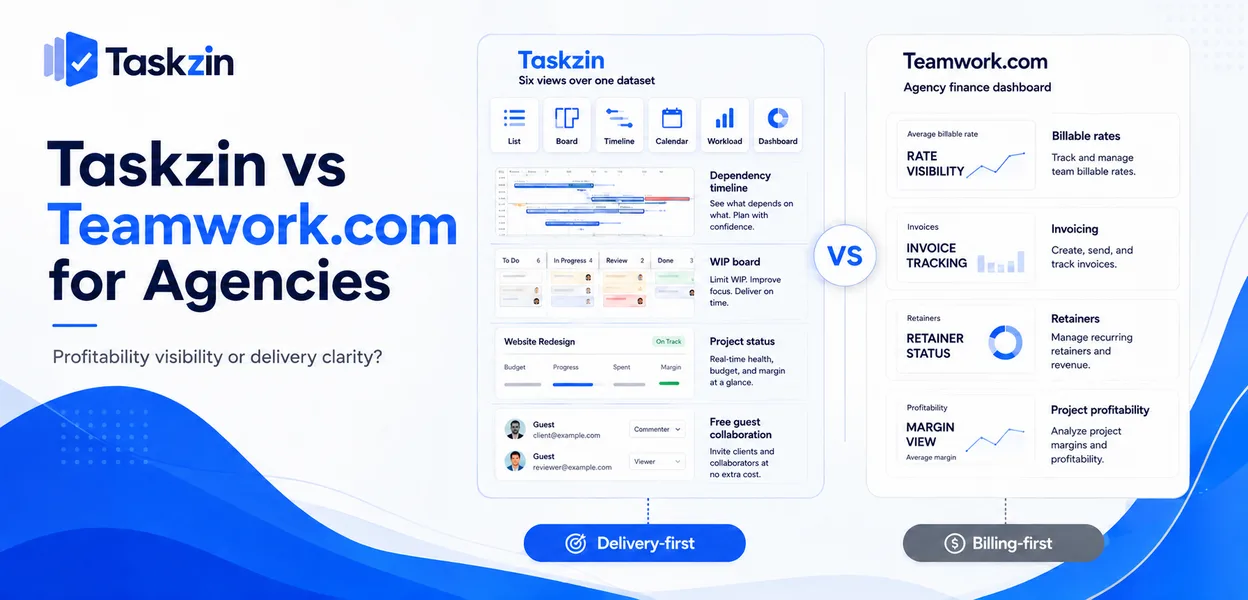
Taskzin vs Teamwork.com for Agencies
An honest comparison of Taskzin and Teamwork.com for agencies, covering billing-first versus delivery-first positioning, where each is genuinely stronger, how to calculate the real cost including clients, and how to choose based on your actual problem.
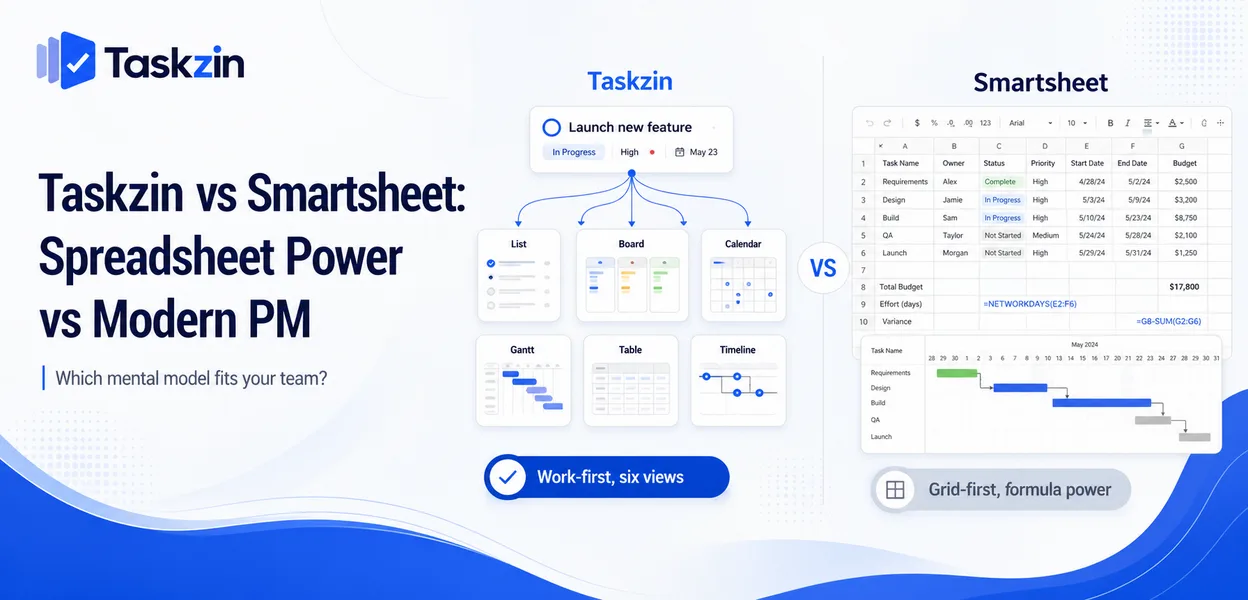
Taskzin vs Smartsheet: Spreadsheet Power vs Modern PM
An honest comparison of Taskzin and Smartsheet, covering the difference between a grid-first and a work-first model, where Smartsheet's formulas and data handling win, where Taskzin's collaboration and flow management win, and migration realities.

The Pomodoro Technique, Honestly Evaluated
An honest evaluation of the Pomodoro Technique, covering what the method actually is, where it genuinely helps, where it gets in the way of deep or reactive work, how to adapt it rather than abandon it, and common mistakes.
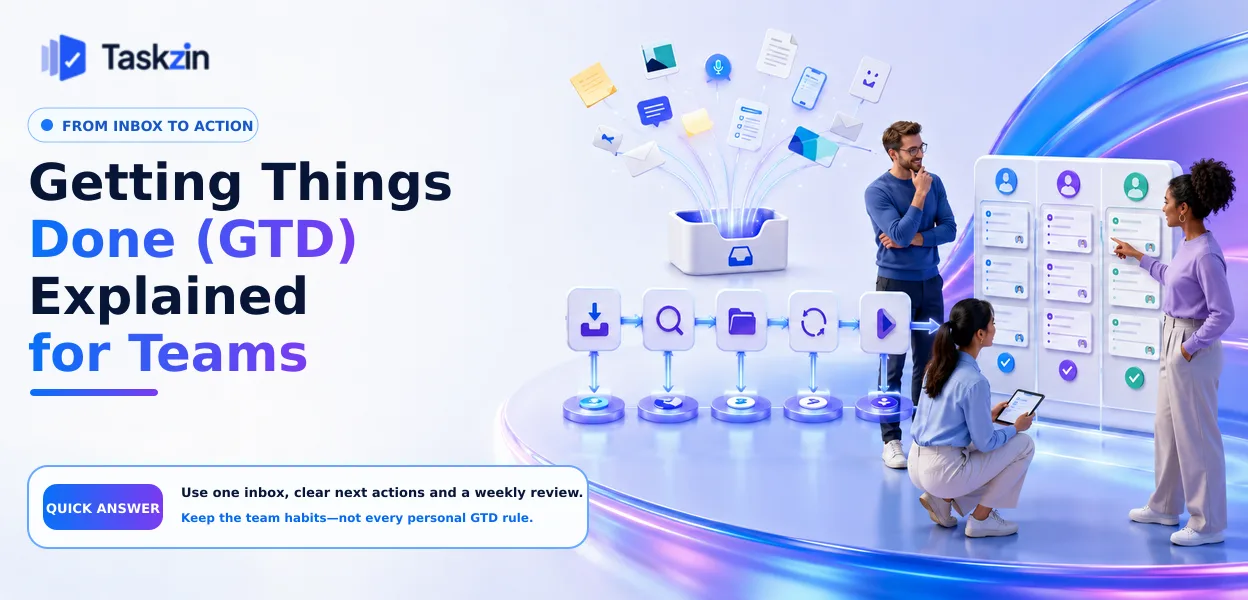
Getting Things Done (GTD) Explained for Teams
An explanation of Getting Things Done adapted for teams, covering the five steps, which GTD concepts transfer to shared work and which do not, how to run a practical team version, and common mistakes.
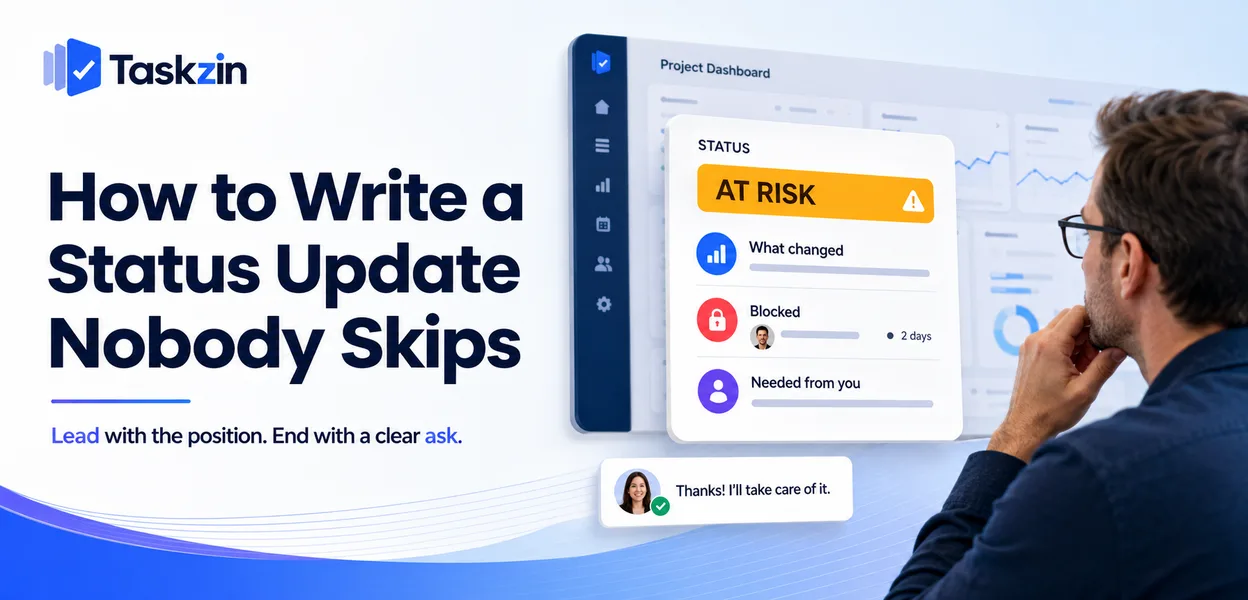
How to Write a Status Update Nobody Skips
A practical guide to writing status updates people read, covering why most get ignored, a structure that works, how to write each section, adapting for different audiences, and how to keep updates sustainable.

How to Onboard a New Team Member Remotely
A practical guide to remote onboarding, covering the three things an office provides that must be deliberately replaced, a week-by-week first month, what to prepare before day one, and the mistakes that leave new joiners politely lost.
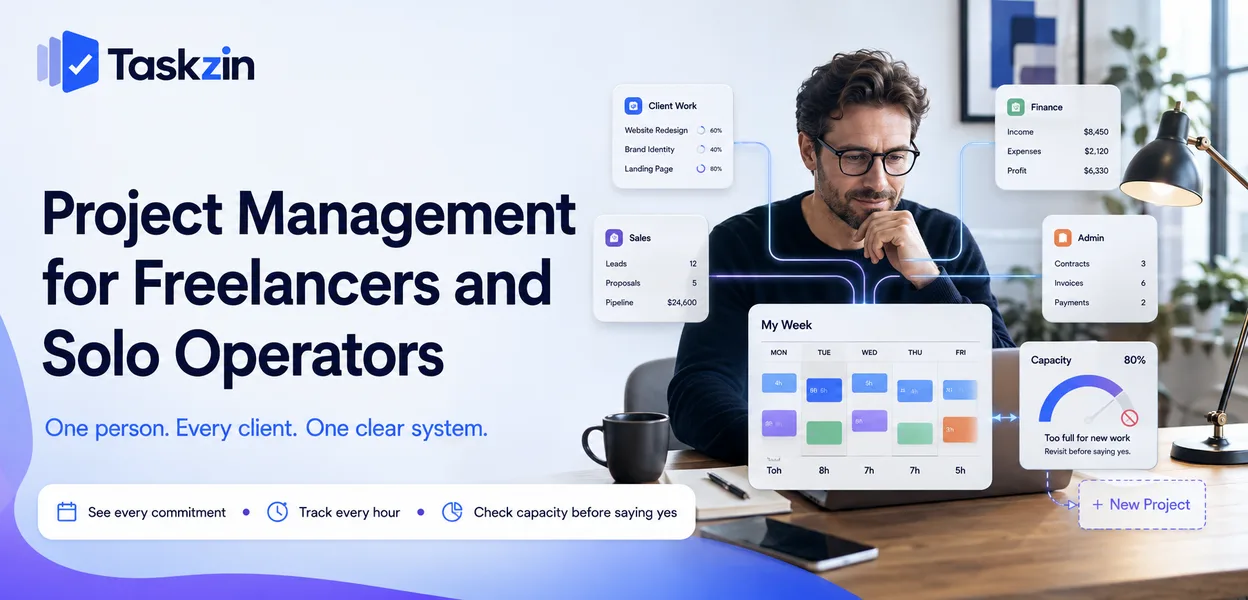
Project Management for Freelancers and Solo Operators
A practical guide to project management for freelancers and solo operators, covering what changes when you are the whole team, running multiple clients, protecting your time and rate, managing capacity against pipeline, and common mistakes.
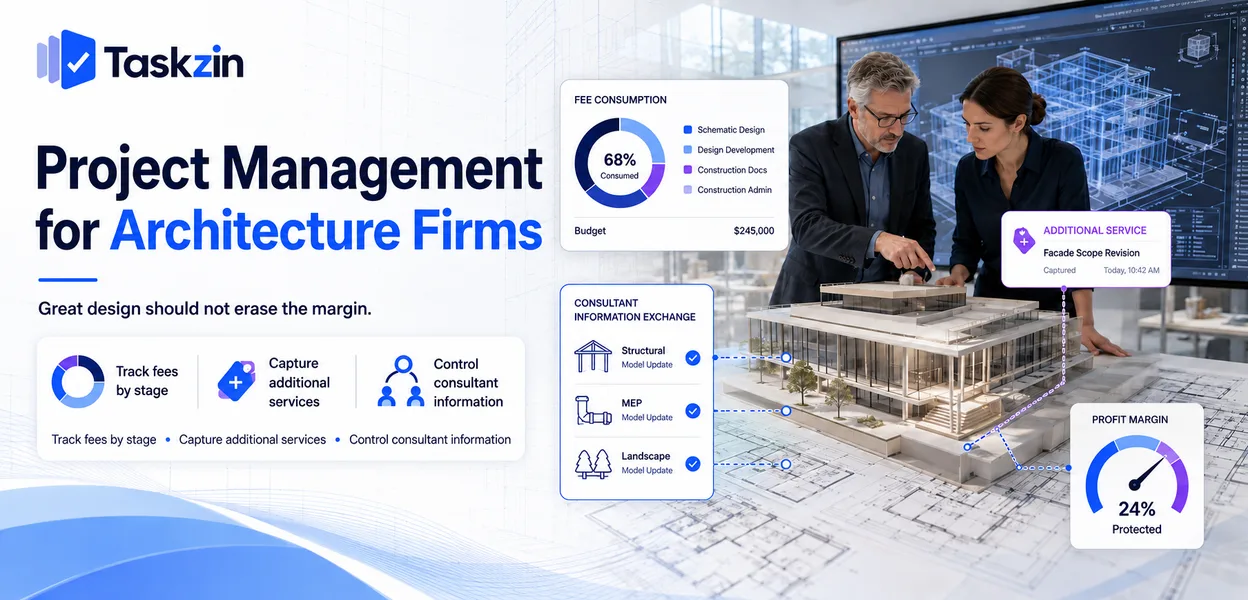
Project Management for Architecture Firms
A practical guide to project management for architecture firms, covering the work stage structure, managing fee and scope together, coordinating consultants and drawing revisions, planning shared studio resource, and the habits that damage profitability.
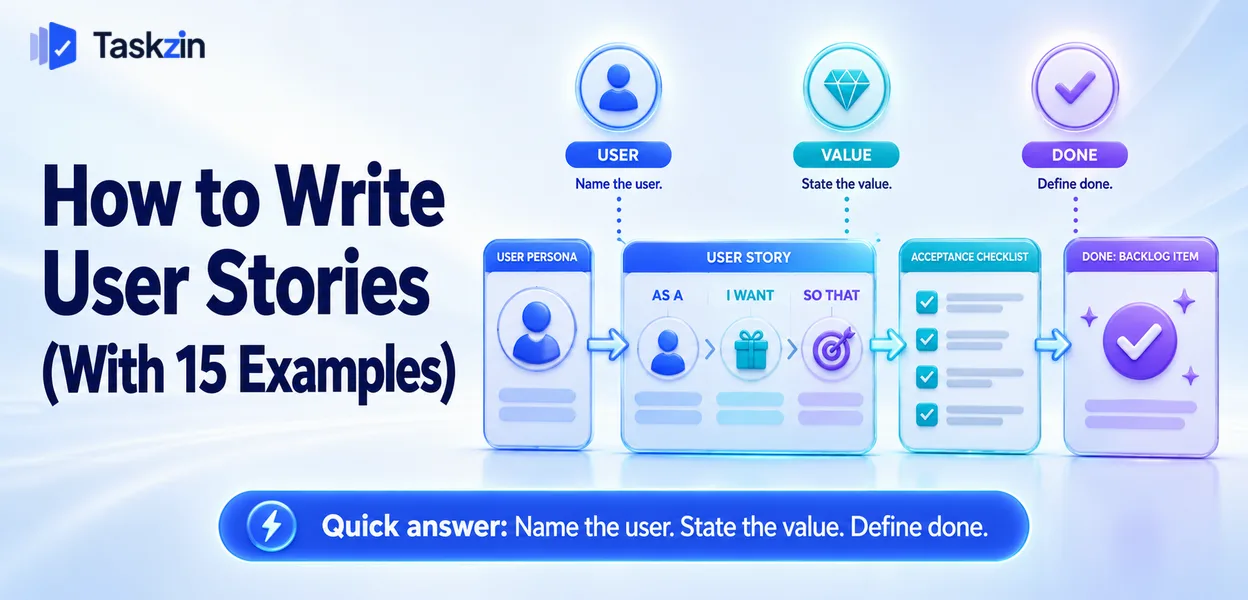
How to Write User Stories (With 15 Examples)
A practical guide to writing user stories, covering what a story is for, fifteen worked examples across different contexts, writing observable acceptance criteria, the INVEST quality test, six splitting patterns, and common mistakes.
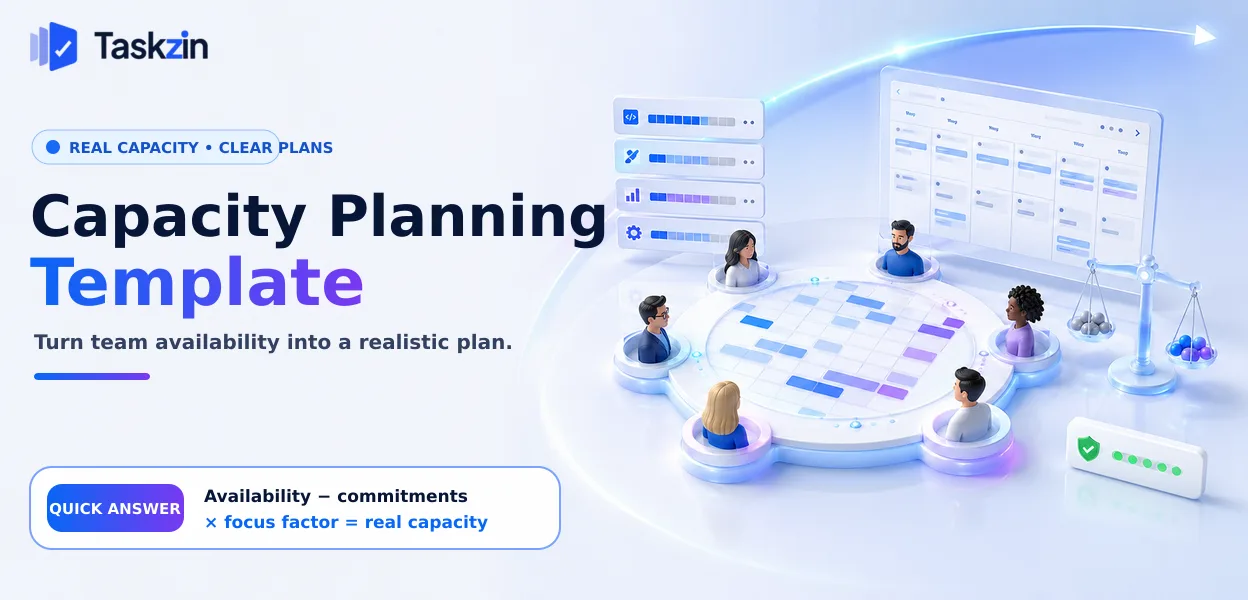
Capacity Planning Template
A capacity planning template with a worked example, covering what capacity planning answers, how to fill in each column, finding your team's real focus factor, using the plan week to week, and common mistakes.

A Practical Guide to Async Communication
A practical guide to asynchronous communication, covering what async actually means, what belongs async versus synchronous, writing messages people can act on, setting response time expectations, and making decisions asynchronously.
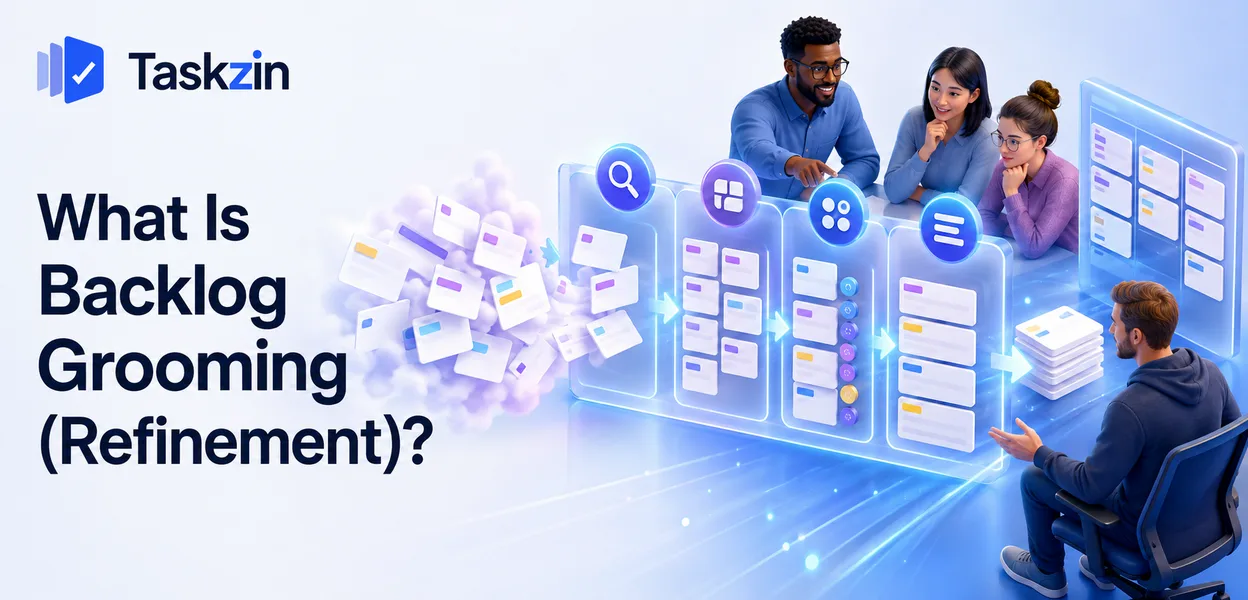
What Is Backlog Grooming (Refinement)?
A plain-English explanation of backlog grooming and refinement, covering the four things refinement does, how a session runs, what readiness means, how far ahead to refine, story splitting patterns, and common mistakes.
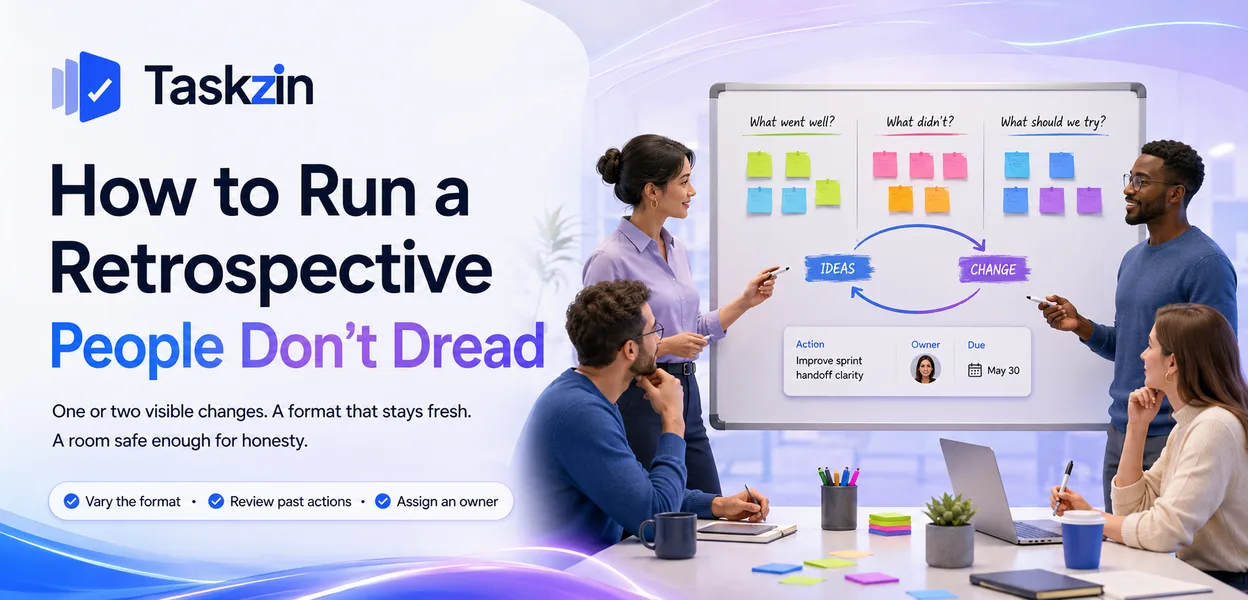
How to Run a Retrospective People Don't Dread
A practical guide to running retrospectives people find worthwhile, covering why they go stale, eight formats compared, the underlying structure that makes any format work, how to create psychological safety, and common mistakes.
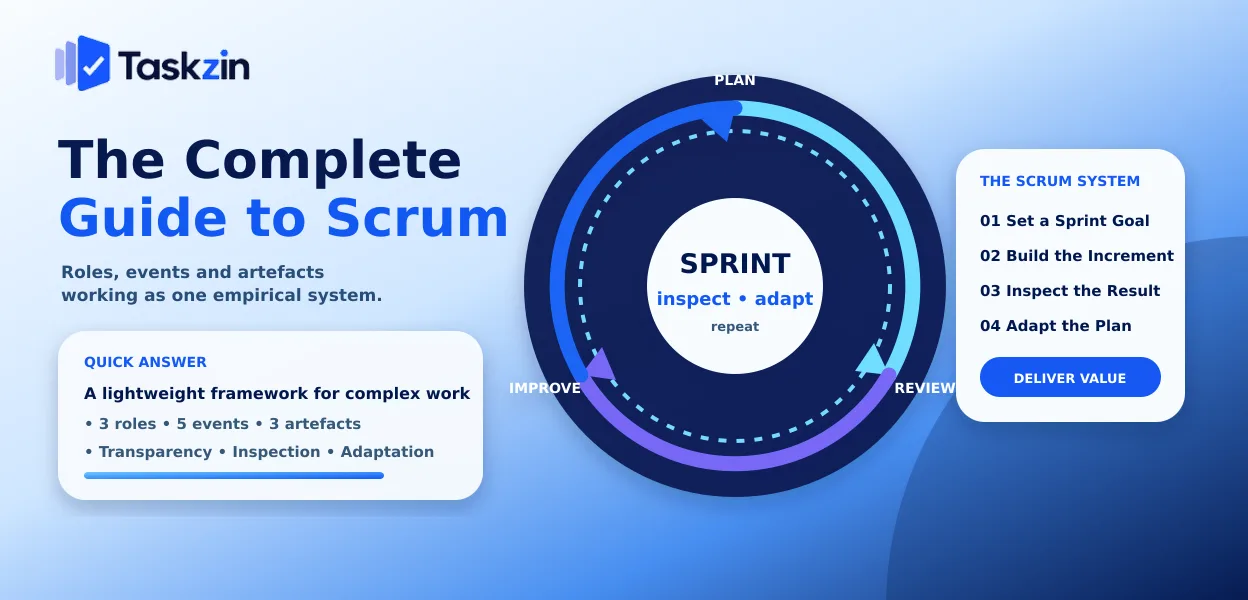
The Complete Guide to Scrum
A comprehensive guide to Scrum, covering what the framework is and deliberately leaves out, its roles, events and artefacts, how a sprint runs from planning to retrospective, the practices that make it work, and common failures.

What Is Scope Creep and How Do You Prevent It?
A plain-English explanation of scope creep, covering the definition and how it differs from scope change, the common sources, the real cost of small additions, four preventive controls, how to handle a request, and when scope should legitimately change.
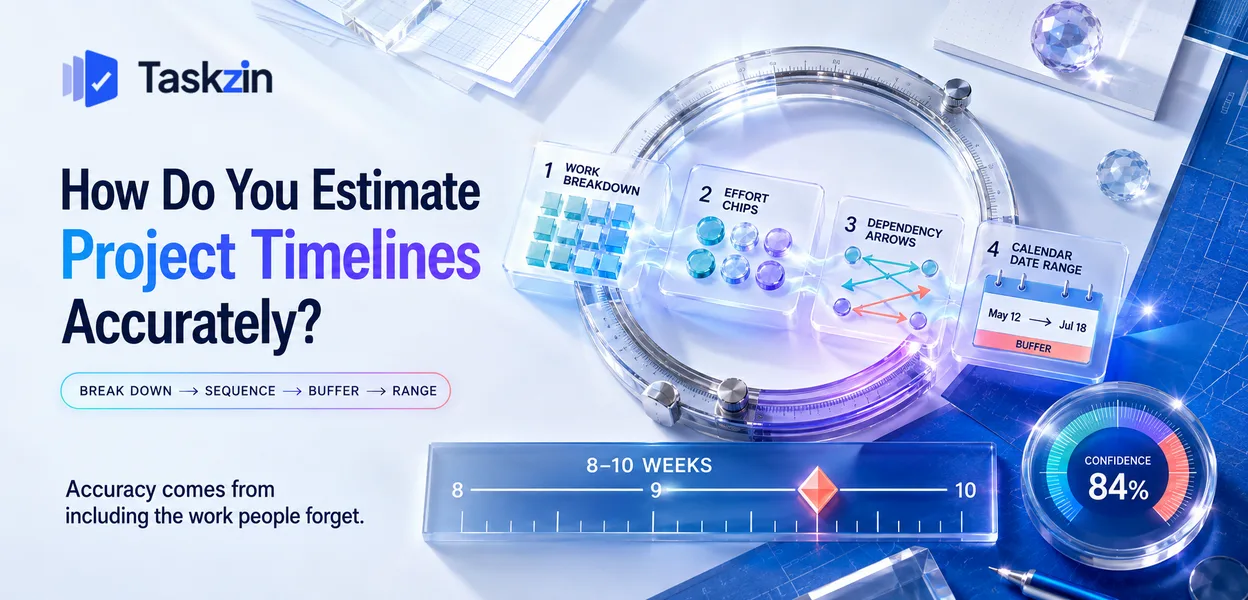
How Do You Estimate Project Timelines Accurately?
A practical guide to estimating project timelines, covering why estimates are systematically optimistic, five estimation approaches compared, a working method including the work people forget, converting effort into dates, and communicating estimates honestly.
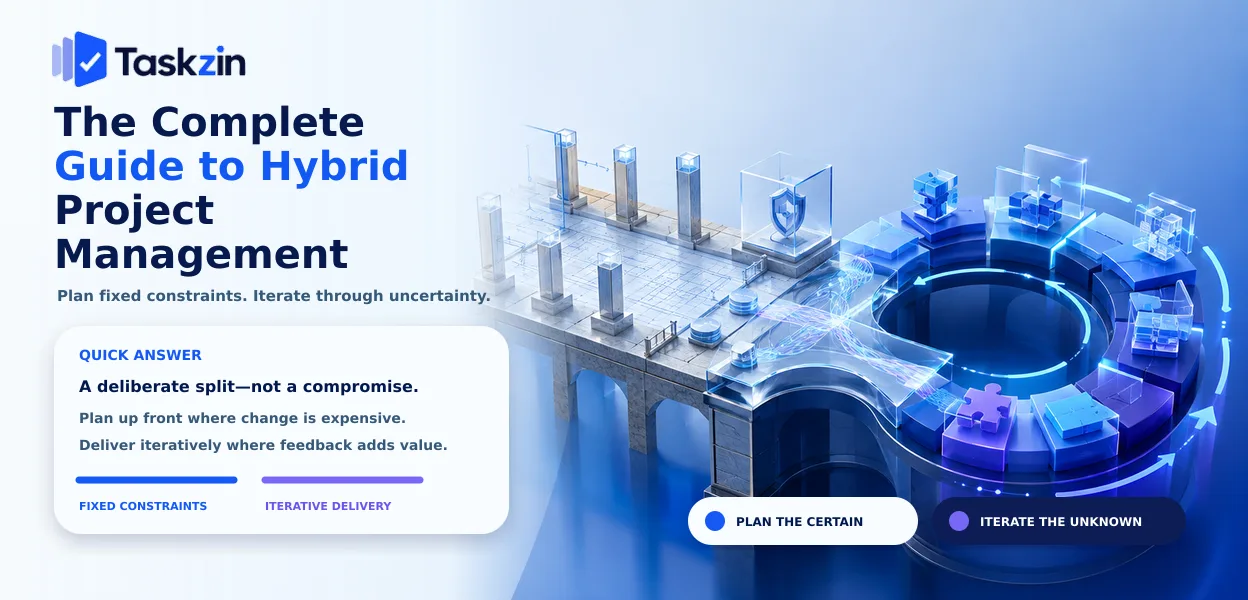
The Complete Guide to Hybrid Project Management
A comprehensive guide to hybrid project management, covering what hybrid genuinely means, three common patterns, how to split work by uncertainty rather than by team, designing the interface between approaches, governance, and common mistakes.

How Do You Prioritise Tasks When Everything Is Urgent?
A practical guide to prioritising when everything is marked urgent, covering why urgency inflates, four methods for forcing a ranking, separating urgent from important, and how to handle the trade-off conversation.
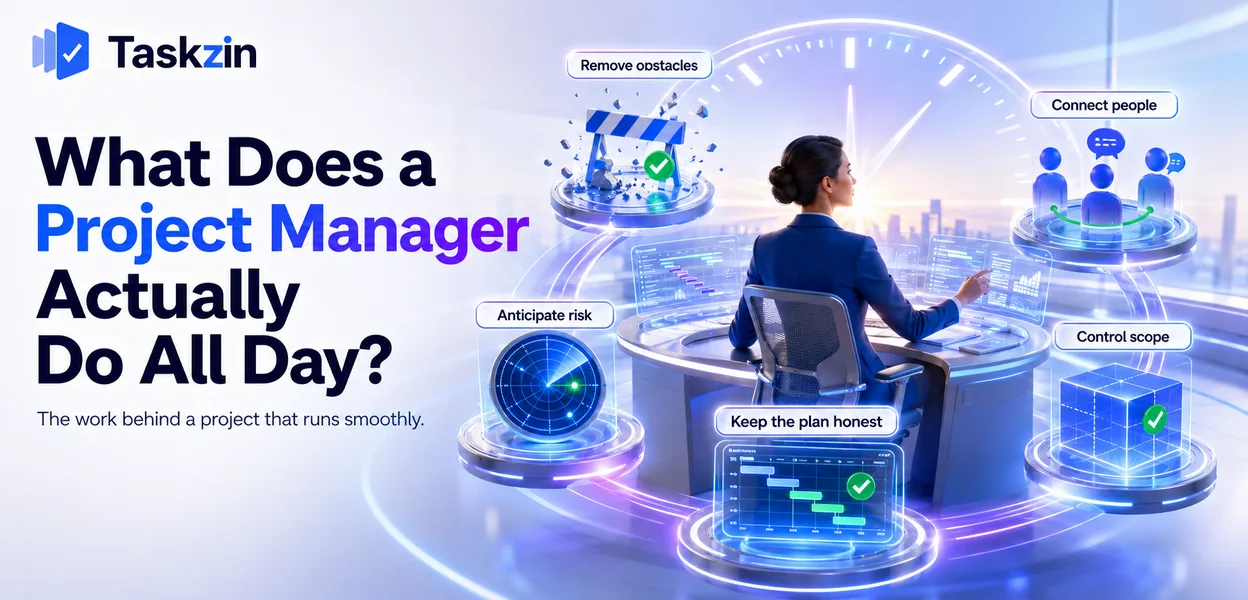
What Does a Project Manager Actually Do All Day?
A realistic explanation of what project managers do day to day, covering the five core activities, a typical daily schedule, how the role changes across project phases, what it excludes, and common misconceptions.
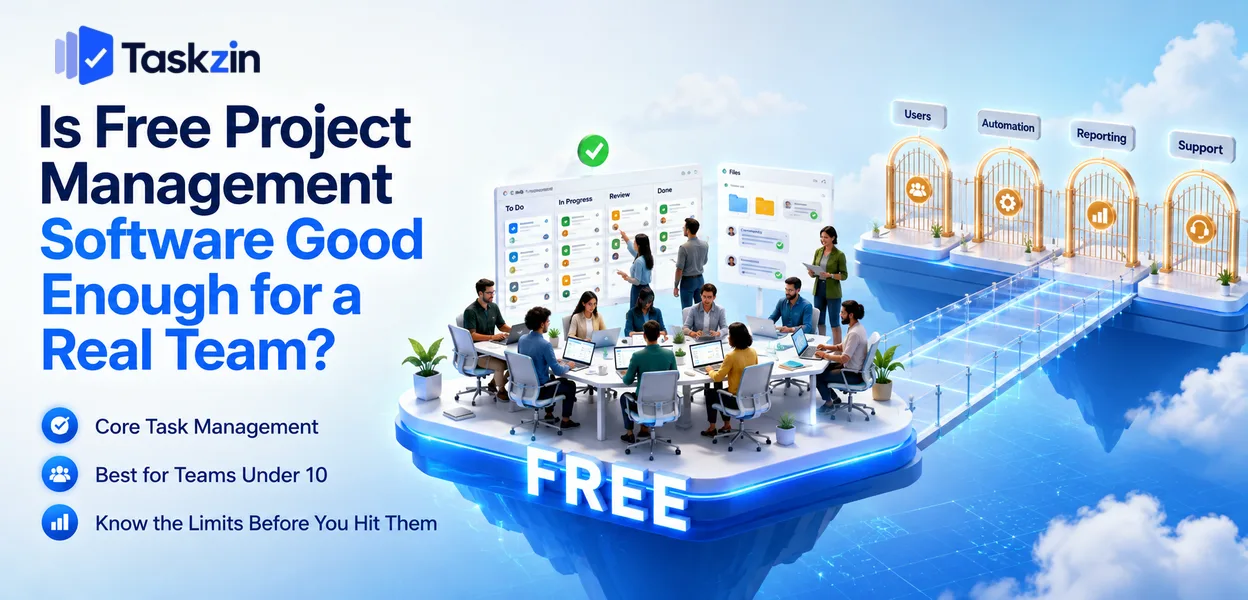
Is Free Project Management Software Good Enough for a Real Team?
An honest assessment of whether free project management software is sufficient for a working team, covering what free plans genuinely include, who they suit, the four limits teams eventually hit, and how to prepare for the upgrade.
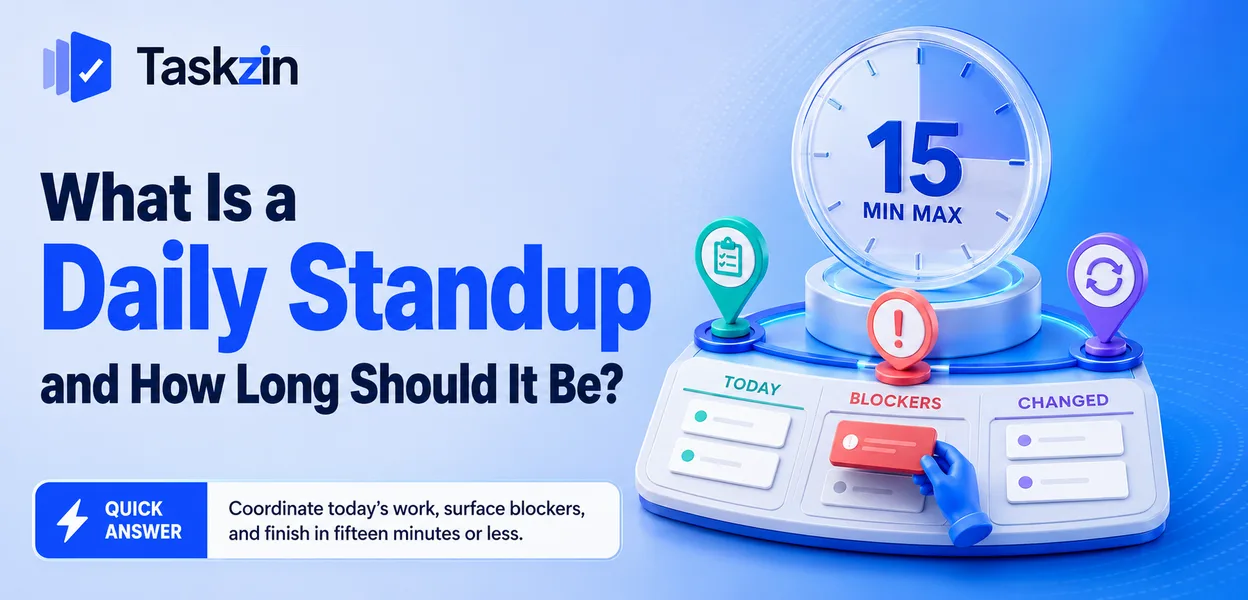
What Is a Daily Standup and How Long Should It Be?
A clear explanation of the daily standup, covering its purpose as coordination rather than reporting, the formats available, how to run one worth attending, async options for distributed teams, and common mistakes.
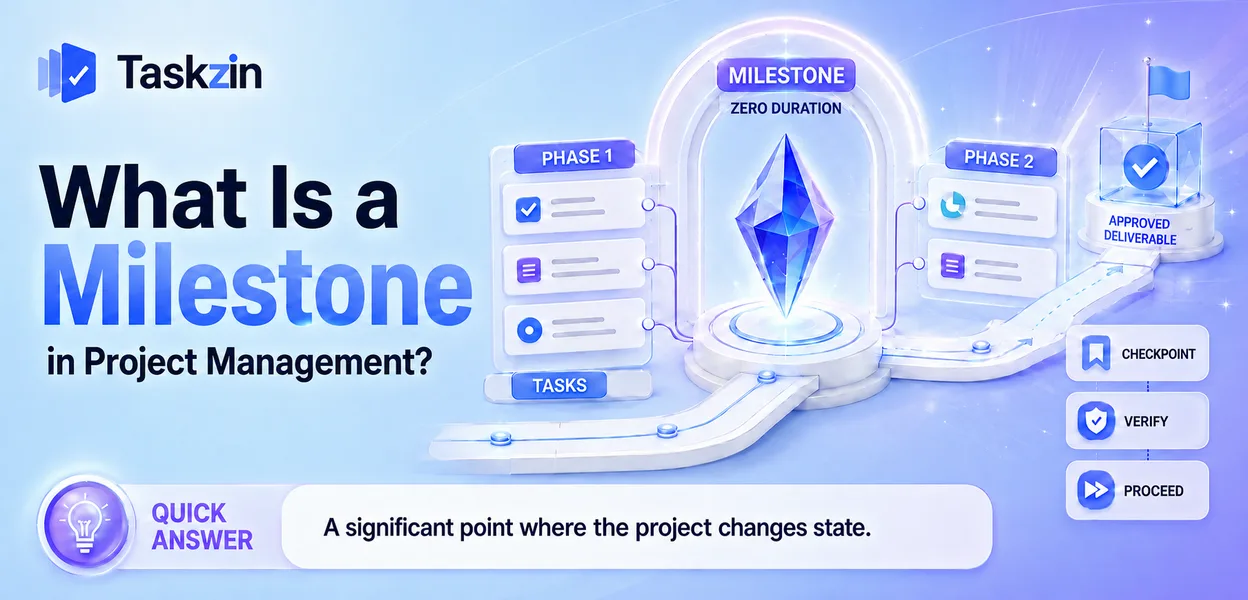
What Is a Milestone in Project Management?
A clear explanation of project milestones, covering what they are and are not, the types of milestone, what makes a good one, how many a project needs, and how to use them for early warning and reporting.
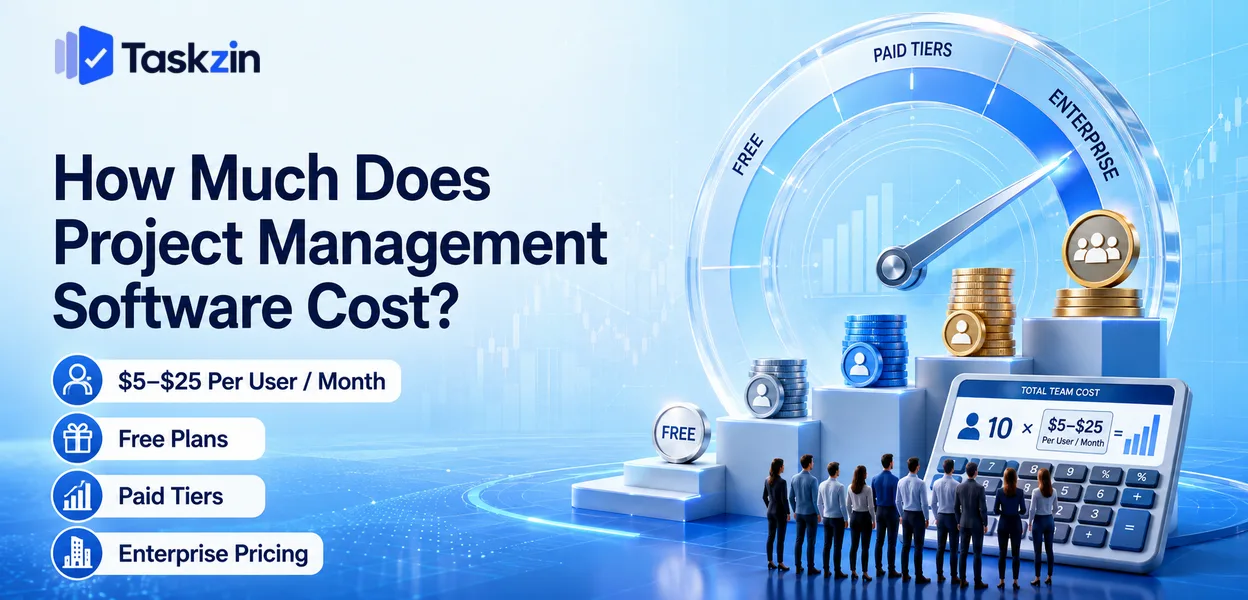
How Much Does Project Management Software Cost?
A practical guide to project management software costs, covering typical per-user ranges, the four pricing models, hidden costs such as guest seats and tier gating, how to calculate your real total, and when upgrading is justified.

Taskzin vs Linear: Issue Tracking for Product Teams Compared
A comparison of Taskzin and Linear for product teams, covering the difference between engineering-only depth and a whole-team workspace, where each genuinely wins, how cycles compare to sprints, pricing and guest access, and how to choose.
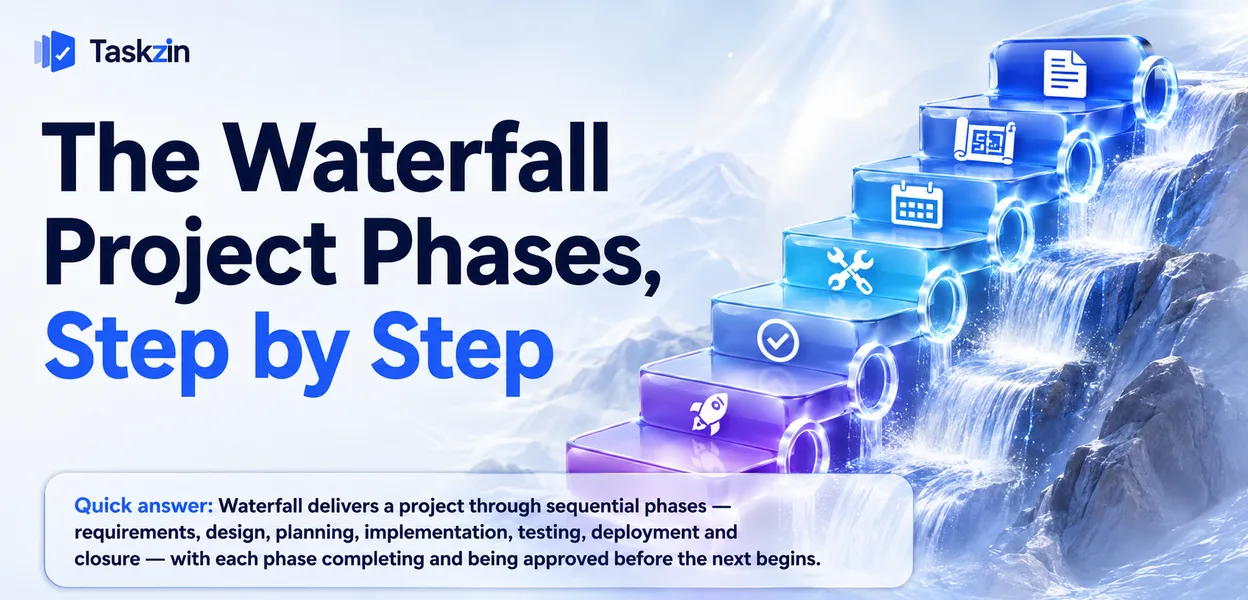
The Waterfall Project Phases, Step by Step
A step-by-step guide to the waterfall project phases, covering how the model is structured, what each of the seven phases produces, the closure activities teams skip, and three practices that improve outcomes within the model.

The Eisenhower Matrix for Team Task Triage
A practical guide to using the Eisenhower matrix for team task triage, covering what it separates, the four quadrants and their actions, how to run a team session, how to make it stick, and where the method falls short.

The Project Management Maturity Model Explained
A clear explanation of project management maturity models, covering what they are for, the five levels, how to assess your organisation honestly, what each transition requires, when higher maturity is not worth its cost, and common mistakes.
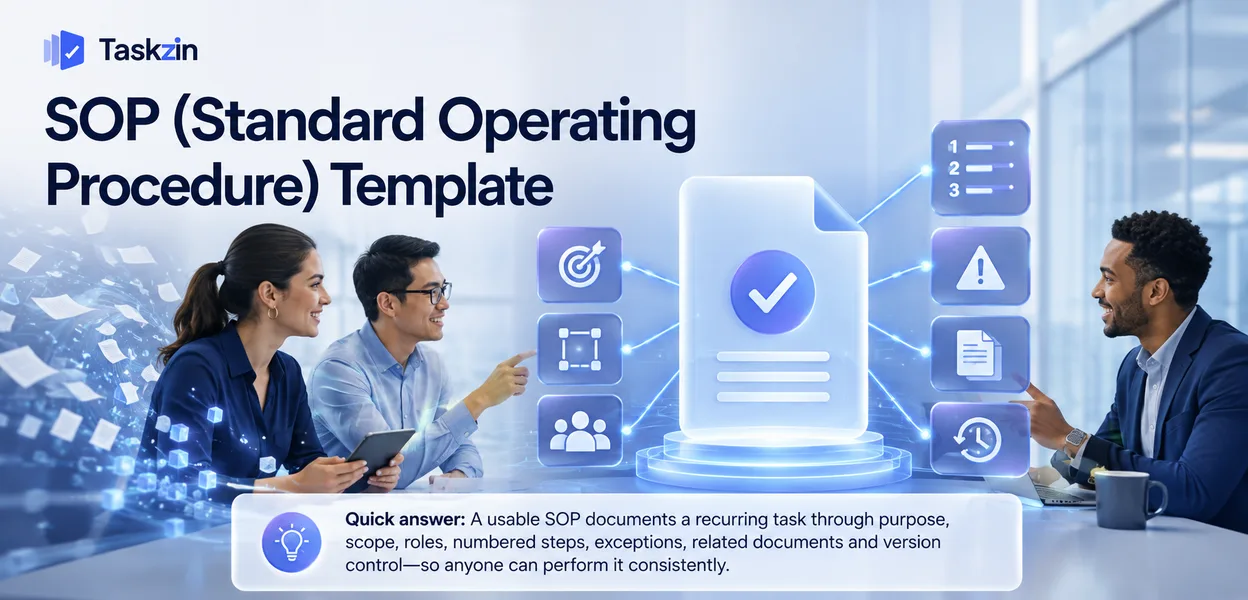
SOP (Standard Operating Procedure) Template
A standard operating procedure template covering the seven sections an SOP needs, how to write each one, how to write steps people can actually follow, how to keep SOPs current, and the mistakes that make them go unread.
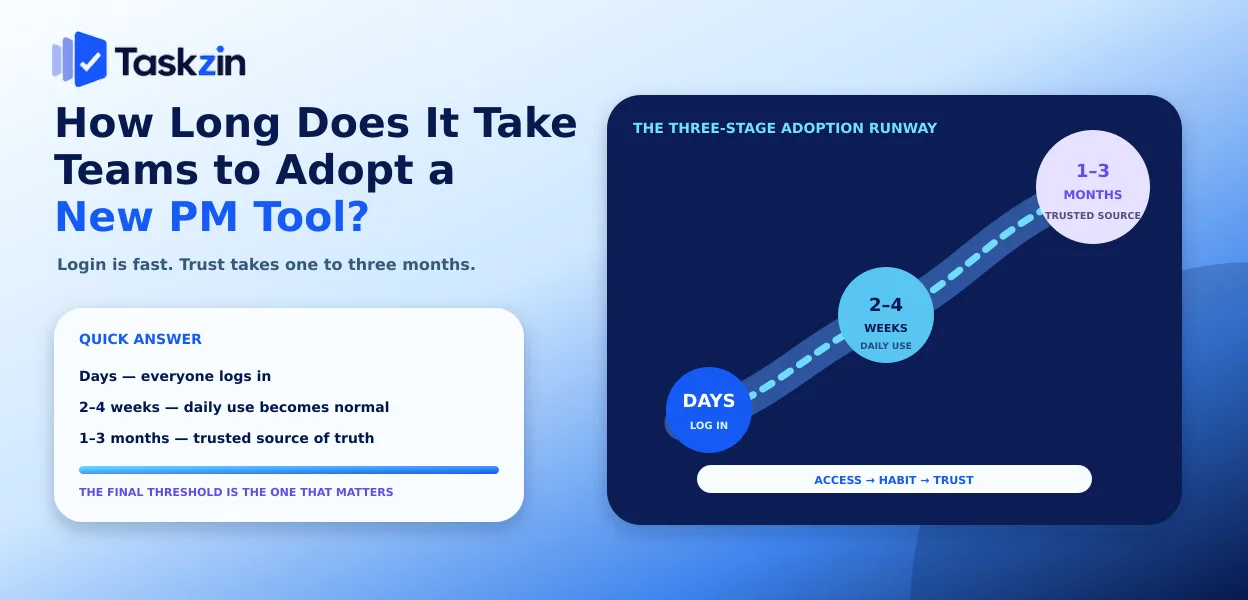
How Long Does It Take Teams to Adopt a New PM Tool?
A practical examination of project management tool adoption timelines, covering the three thresholds of adoption, what makes it faster or fails it, how to measure adoption in your own team weekly, and how to run it as a study worth publishing.
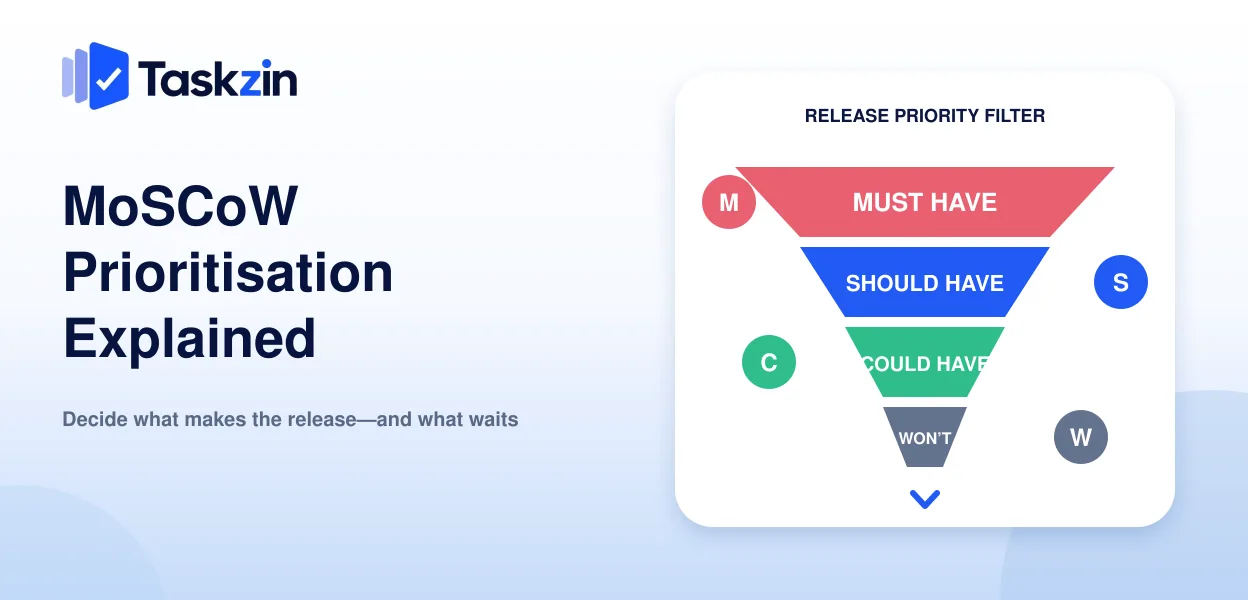
MoSCoW Prioritisation Explained
A practical explanation of MoSCoW prioritisation, covering the four categories and how to test each, how to run a session, the capacity cap that makes the method work, where it commonly fails, and how it compares to other prioritisation frameworks.
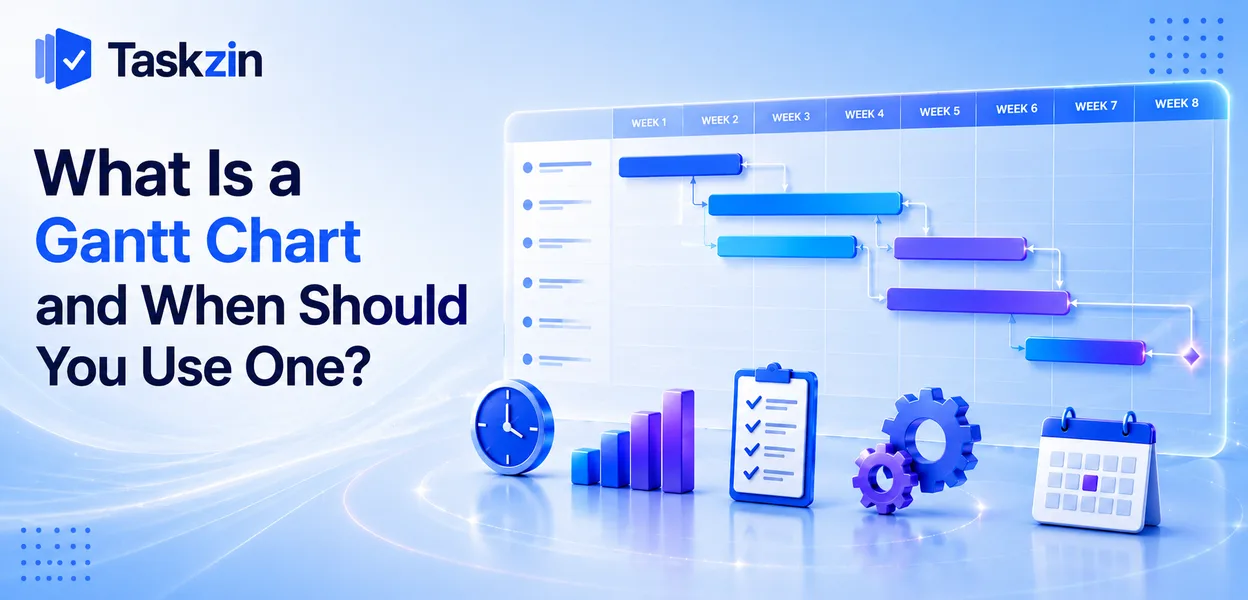
What Is a Gantt Chart and When Should You Use One?
A plain-English explanation of Gantt charts, covering what the chart shows, how dependencies and lag work, how it compares to other views, how to build one properly, and when to use a Gantt chart versus when to avoid it.
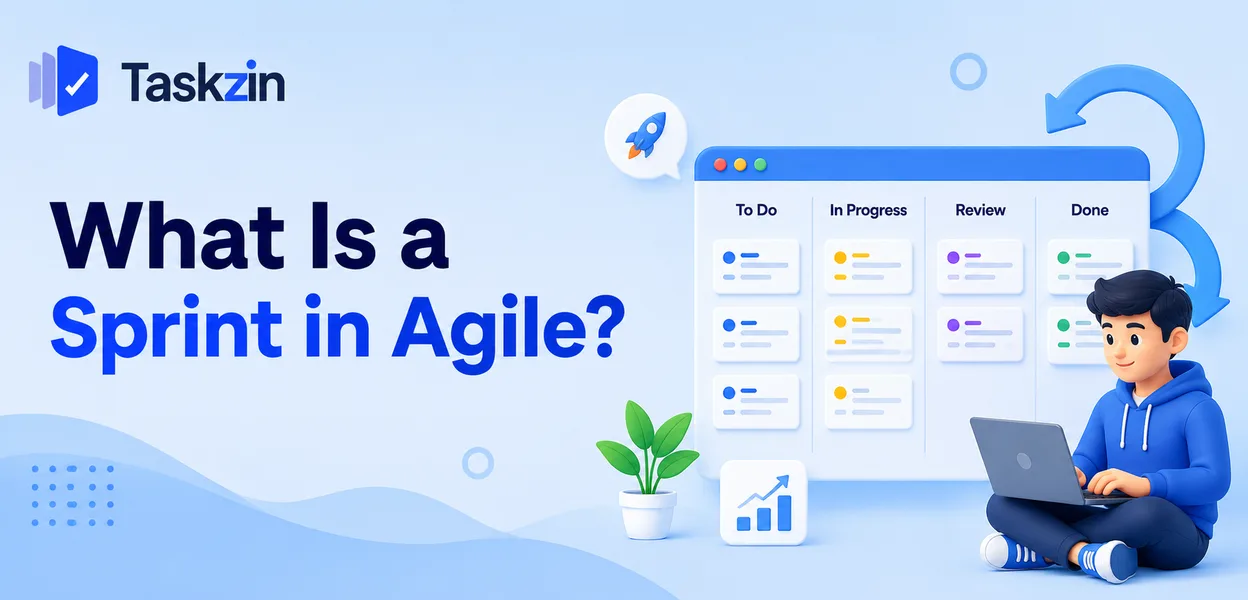
What Is a Sprint in Agile?
A beginner-friendly explanation of sprints in agile, covering the definition and purpose, the four sprint events, choosing a sprint length, what happens inside a sprint, common sprint problems, and when sprints are the wrong approach.
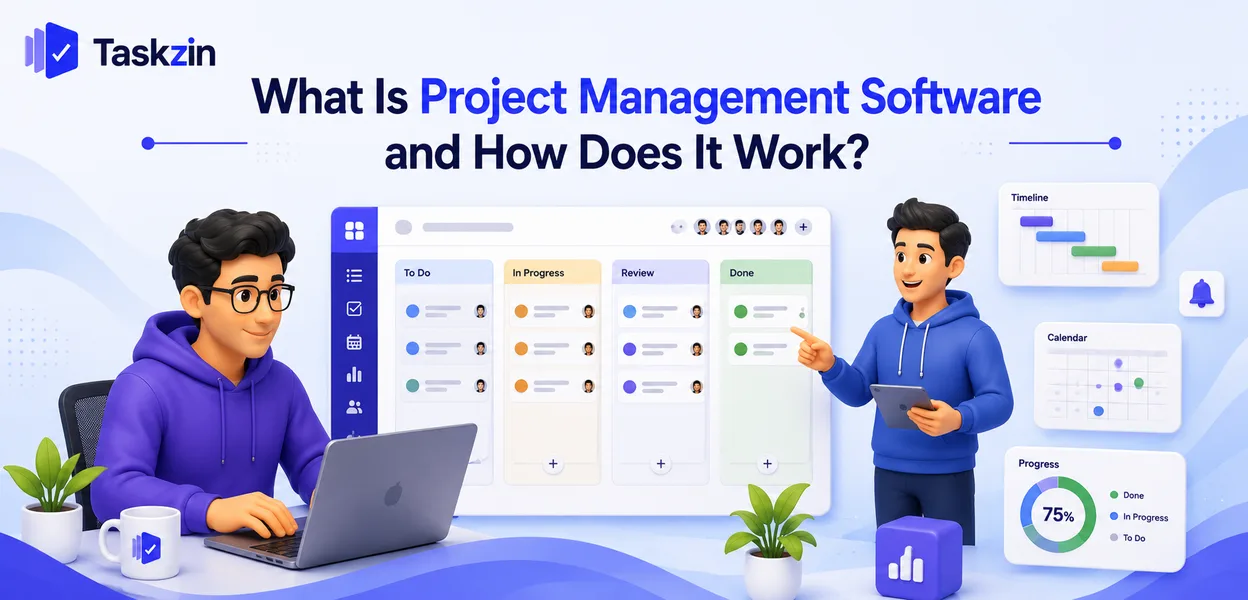
What Is Project Management Software and How Does It Work?
A beginner-friendly explanation of project management software, covering its four core functions, the underlying data model, the main product types, what adoption actually looks like, its genuine limits, and when a team needs one.
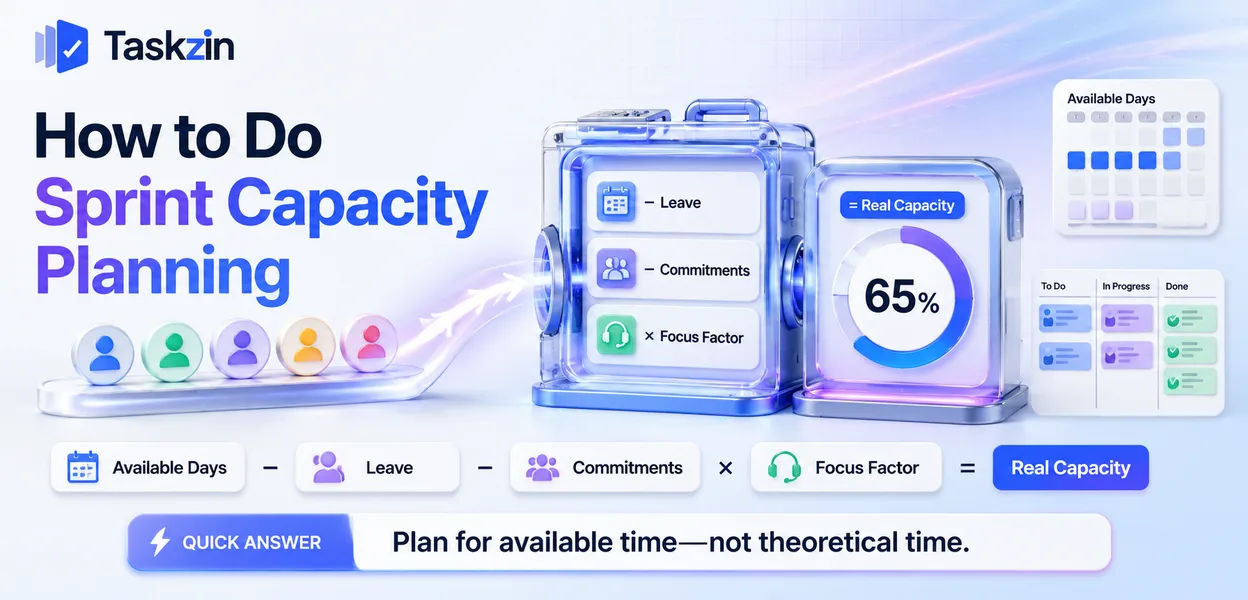
How to Do Sprint Capacity Planning
A practical guide to sprint capacity planning, covering why teams overcommit, a step-by-step calculation method, how to measure your team's real focus factor, how to use capacity in planning, and common mistakes.

Project Management for Manufacturing
A practical guide to project management in manufacturing, covering the difference between production operations and project work, running new product introduction, planning line changes and capital projects, continuous improvement, and common mistakes.
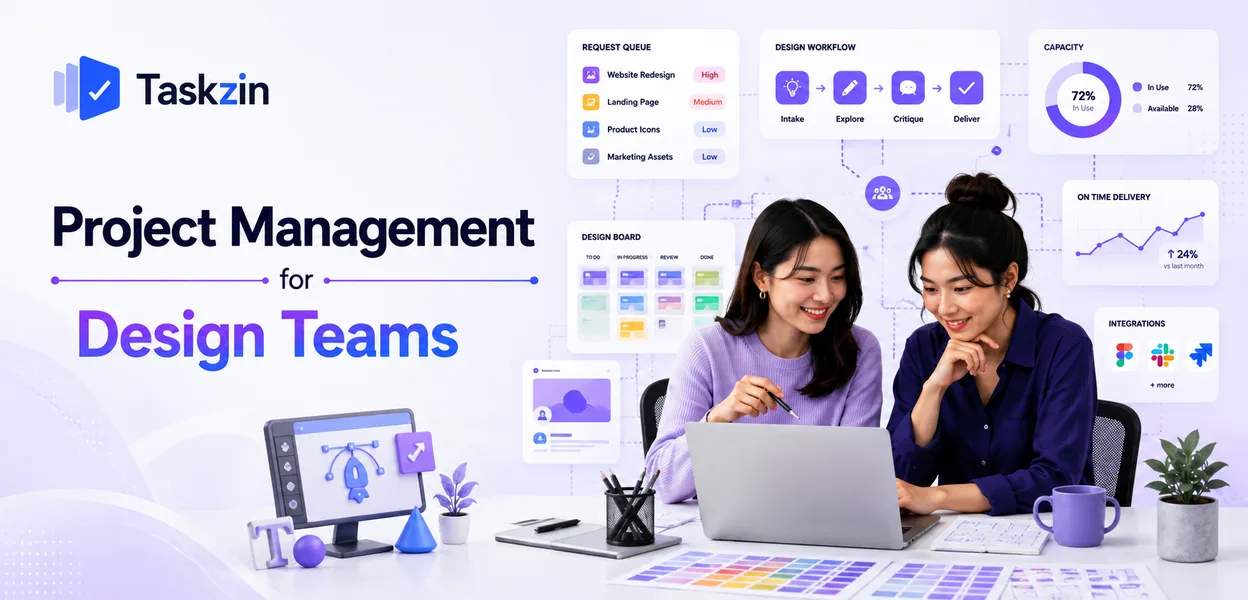
Project Management for Design Teams
A practical guide to project management for design teams, covering why design resists standard planning, a stage-by-stage flow, how to structure feedback and critique, working with engineering, and common mistakes.
Best Workflow Automation Tools for Project Teams
A comparison of the best workflow automation tools for project teams, covering native versus cross-tool automation, ten reviewed options, what to automate first, the automations worth building, and the mistakes that make automation counterproductive.

Project Management for Real Estate Teams
A practical guide to project management for real estate teams, covering transaction pipelines and chase discipline, property development programmes, lettings compliance and maintenance queues, and the mistakes that cost deals.
Project Management for Schools and Education
A practical guide to project management in schools, covering the constraints of the academic calendar and teaching time, which cycles to template, inspection readiness, running improvement plans, and common mistakes.
Best Project Management Tools for Freelancers
A comparison of the best project management tools for freelancers, covering what solo operators actually need, ten reviewed options, how to set up one system across clients, and the commercial numbers freelancers should track.
Best Project Management Software for Nonprofits
A comparison of the best project management software for nonprofits, covering volunteer turnover, funder reporting and budget constraints, ten reviewed tools, nonprofit discount advice, and how to set up so knowledge survives handover.
Best Project Management Tools for Startups
A comparison of the best project management tools for startups, covering what actually matters at startup scale, ten reviewed options, how the right choice changes from pre-seed to Series A, and the tooling mistakes that create expensive migrations.
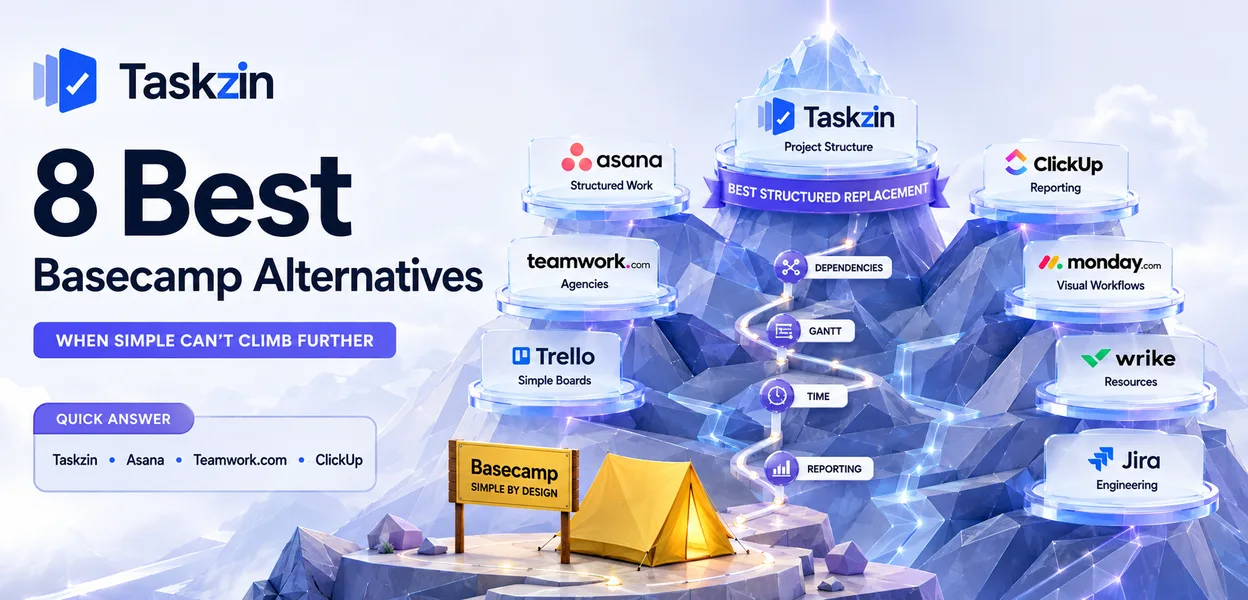
8 Best Basecamp Alternatives
A comparison of eight Basecamp alternatives, covering the capabilities Basecamp deliberately excludes, when flat-fee pricing stops paying off, eight reviewed options, migration steps, and when staying is the better call.
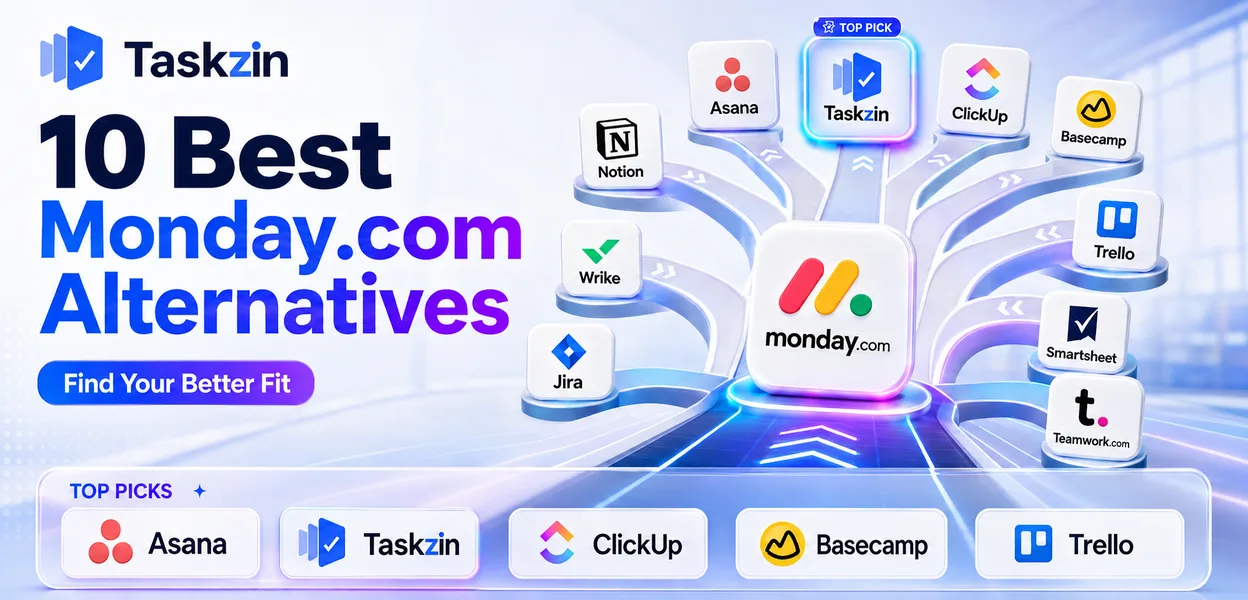
10 Best Monday.com Alternatives
A comparison of ten Monday.com alternatives, covering seat-tier pricing, when boards stop scaling into projects, ten reviewed options, how to migrate automations, and when Monday remains the right fit.
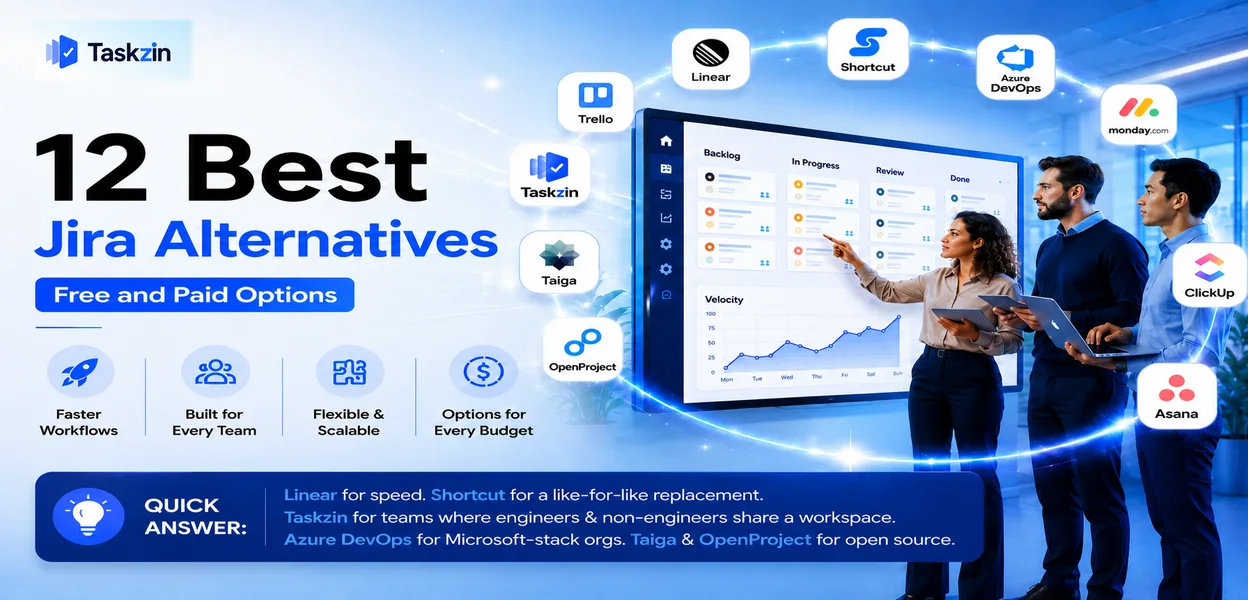
12 Best Jira Alternatives (Free and Paid)
A comparison of twelve Jira alternatives, free and paid, covering why teams leave Jira, how to choose a replacement based on actual usage, how to migrate without losing history, and when staying is the better decision.

Best OKR Software for Goal Tracking
A comparison of the best OKR software for goal tracking, covering what the software must do, ten reviewed tools, how to run OKRs so there is something worth tracking, warning signs of a failing process, and common mistakes.
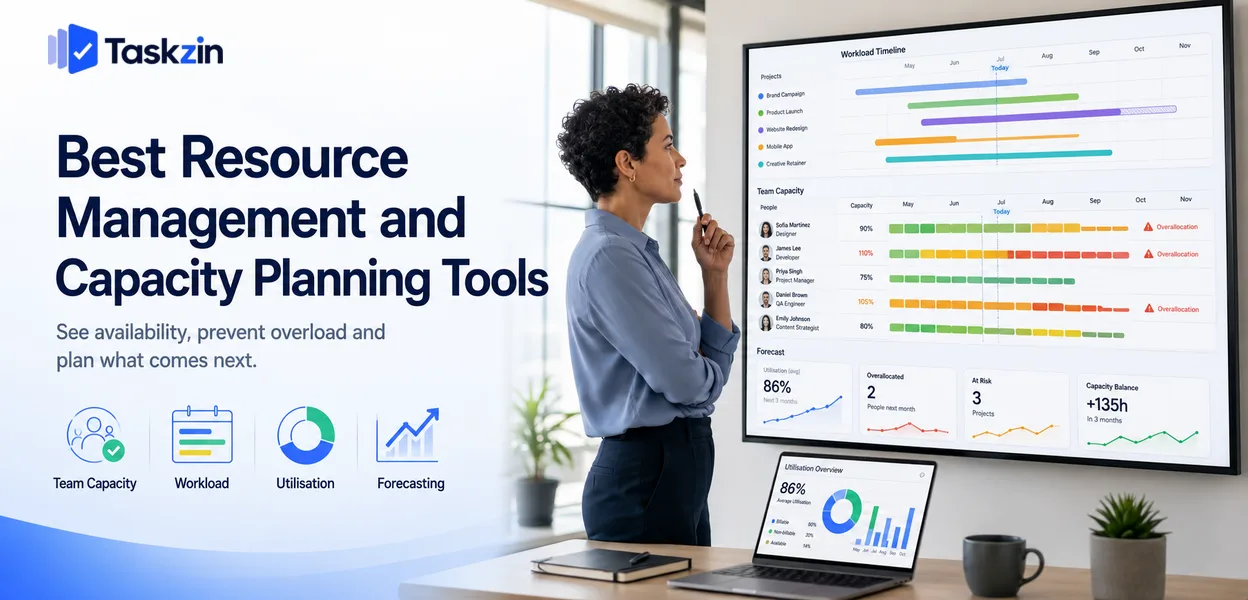
Best Resource Management and Capacity Planning Tools
A comparison of the best resource management and capacity planning tools, covering the problems they solve, ten reviewed options, how to set up planning based on real available hours, the metrics worth tracking, and common mistakes.
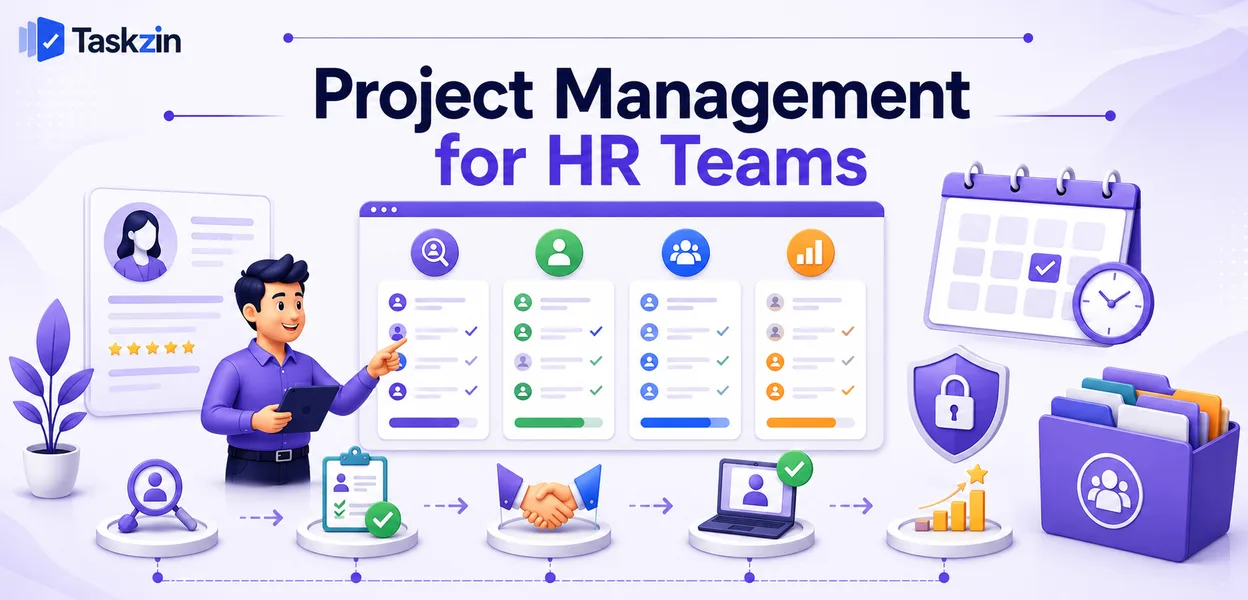
Project Management for HR Teams
A practical guide to project management for HR teams, covering what makes HR work different, which processes to template, running recruitment as a managed pipeline, fixing onboarding, and common mistakes.

Project Management for Software Engineering Teams
A practical guide to project management for software engineering teams, covering why software resists traditional planning, how to set up delivery, managing bugs and technical debt, flow metrics, and common mistakes.
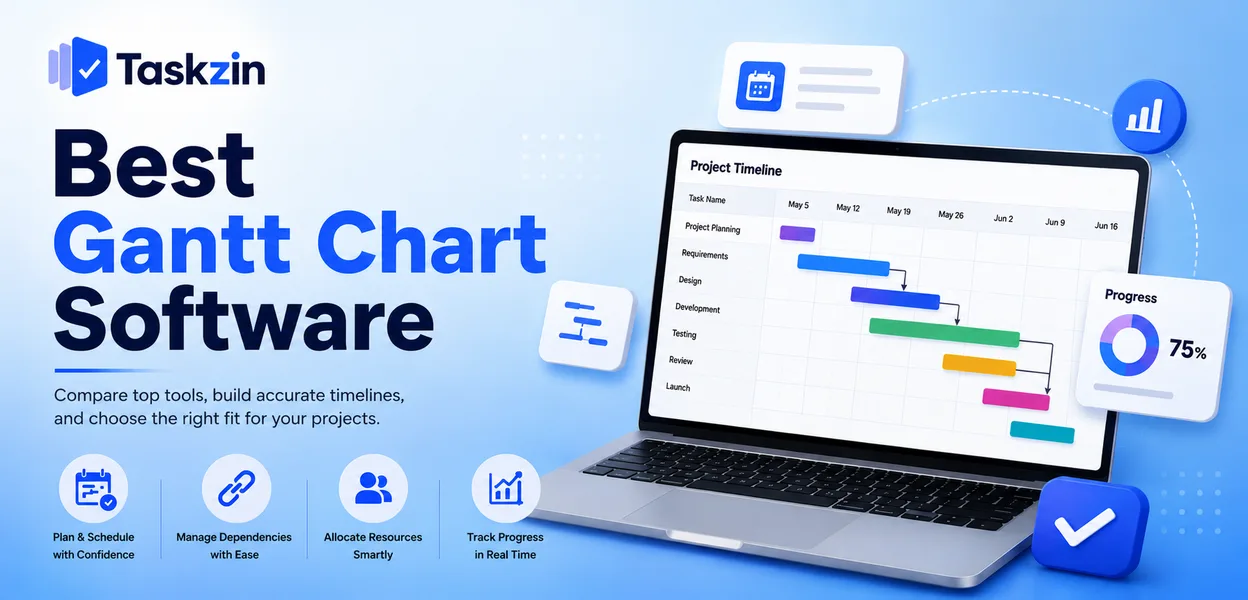
Best Gantt Chart Software
A comparison of the best Gantt chart software, covering what Gantt charts are genuinely for, ten tools reviewed on dependencies and critical path, a practical build guide, and when a timeline is the wrong tool.
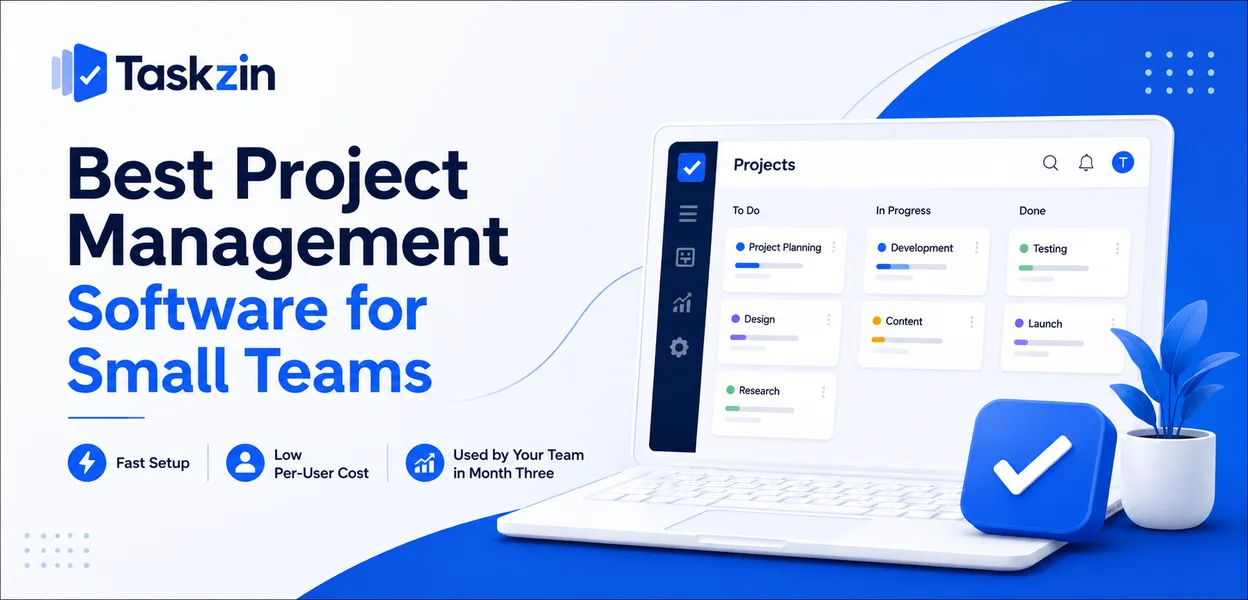
Best Project Management Software for Remote Teams
A comparison of the best project management software for remote and distributed teams, covering what changes when a team is remote, ten tools reviewed, how to run projects across time zones, and the mistakes remote organisations repeat.
Your team already has the work. Give it a home.
Set up a workspace in under two minutes. Import from ClickUp, Jira, Asana or Trello in one click.
No credit card • Free 14 days • Cancel anytime