Notes from teams that ship.
Sprint mechanics, async habits and migration war stories. No thought leadership — just what worked, what did not, and the numbers behind both.
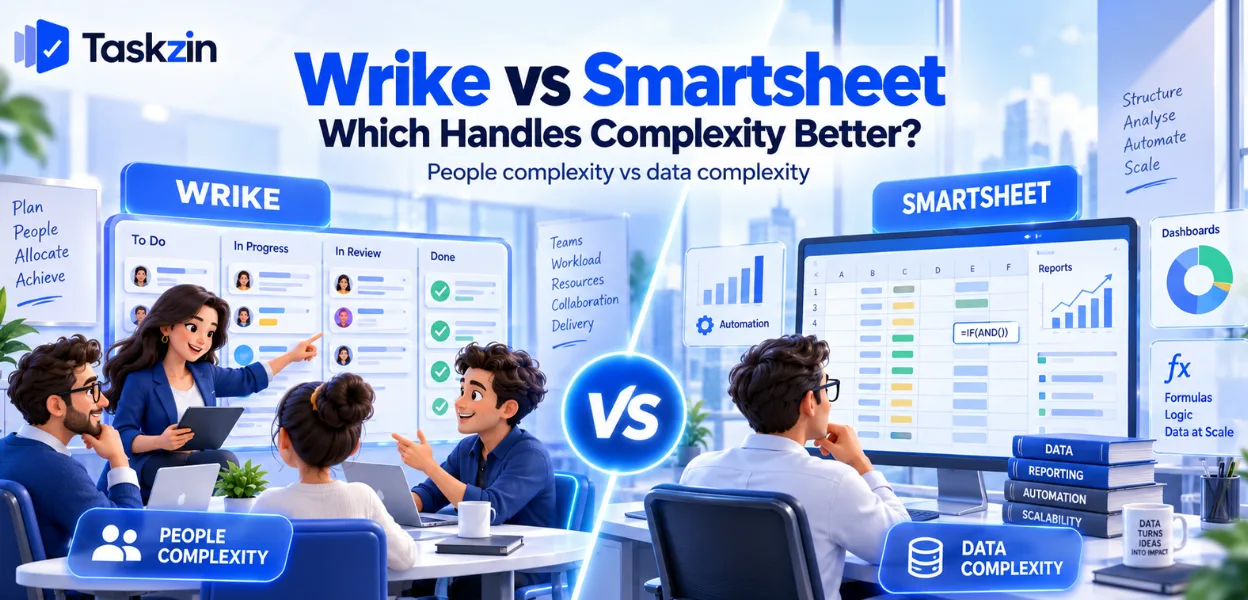
Wrike vs Smartsheet: Which Handles Complexity Better?
An honest comparison of Wrike and Smartsheet, covering the difference between people complexity and data complexity, where each platform genuinely wins, how to diagnose which problem you have, and the implementation reality of both.
Notion vs ClickUp for Project Management
An honest comparison of Notion and ClickUp for project management, covering the difference between a workspace and a project tool, where Notion's documents and flexibility win, the hidden build cost, and how to use both deliberately.
Notion vs ClickUp for Project Management
An honest comparison of Notion and ClickUp for project management, covering the difference between a workspace and a project tool, where Notion's documents and flexibility win, the hidden build cost, and how to use both deliberately.
Notion vs ClickUp for Project Management
An honest comparison of Notion and ClickUp for project management, covering the difference between a workspace and a project tool, where Notion's documents and flexibility win, the hidden build cost, and how to use both deliberately.
Notion vs ClickUp for Project Management
An honest comparison of Notion and ClickUp for project management, covering the difference between a workspace and a project tool, where Notion's documents and flexibility win, the hidden build cost, and how to use both deliberately.
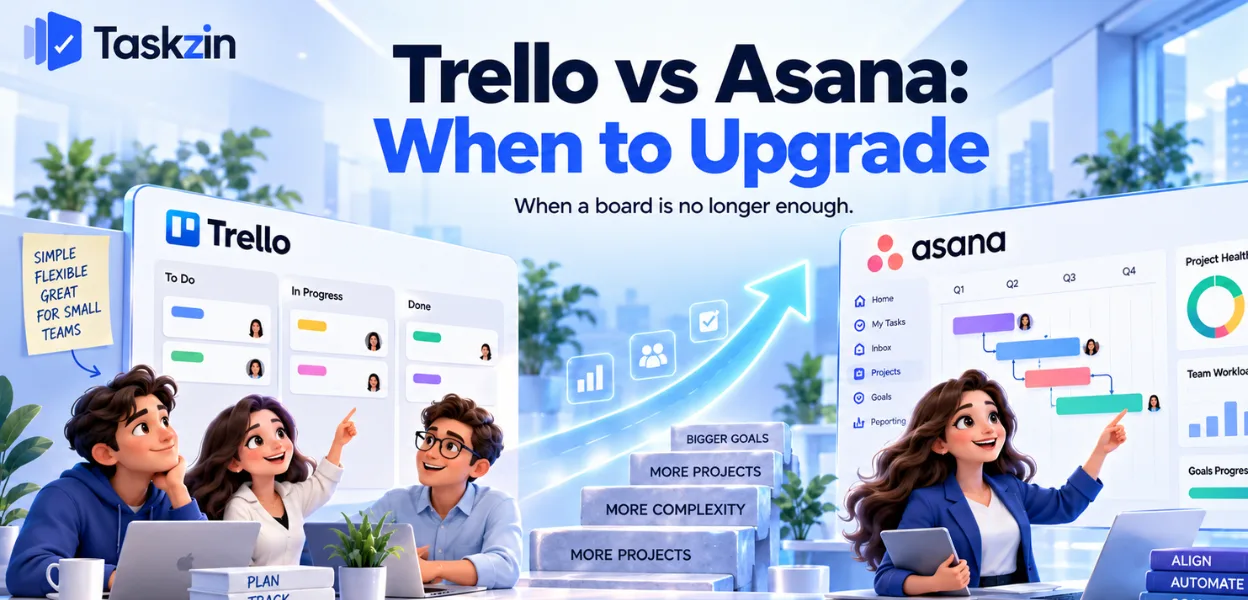
Trello vs Asana: When to Upgrade
An honest comparison of Trello and Asana framed as a timing question, covering why they are not equivalent tools, the specific signals you have outgrown Trello, what you gain and lose by moving, and how to switch well.

Monday.com vs ClickUp: Which Is Better Value?
An honest value comparison of Monday.com and ClickUp, covering why seat structure decides the cost question, where Monday.com's visual clarity and adoption win, where ClickUp's inclusions and depth win, and how to run the real numbers.
Asana vs ClickUp: An Honest Comparison
An honest comparison of Asana and ClickUp, covering their opposing design philosophies, where Asana's clarity and adoption win, where ClickUp's breadth and value win, and the trade-off between administration cost and capability ceiling.
Jira vs Linear: Which Suits Product Teams Better?
An honest comparison of Jira and Linear for product teams, covering their opposing philosophies, where Jira's configurability and governance win, where Linear's speed and defaults win, and the questions that actually decide the choice.
How to Measure Productivity Without
A practical guide to measuring team productivity without surveillance, covering what monitoring actually costs, better alternatives to each surveillance metric, flow metrics worth tracking, and how to handle genuine performance concerns.
Building a Team Handbook (Your Team's
A practical guide to building a team handbook, covering what it replaces, what belongs in it, what to write first, how to write entries people actually use, how to keep it current, and why comprehensive handbooks fail.

30 Questions for Better 1:1 Meetings
Thirty questions for one-to-one meetings organised by purpose, with situational questions for new starters, disengagement and skip-levels, guidance on asking them well, and the mistakes that turn one-to-ones into status reports.
Marketing Campaign Brief Template
A marketing campaign brief template with a filled worked example, covering what a brief must settle, how to write the proposition and audience sections, how to brief without a rejection cycle, and common mistakes.
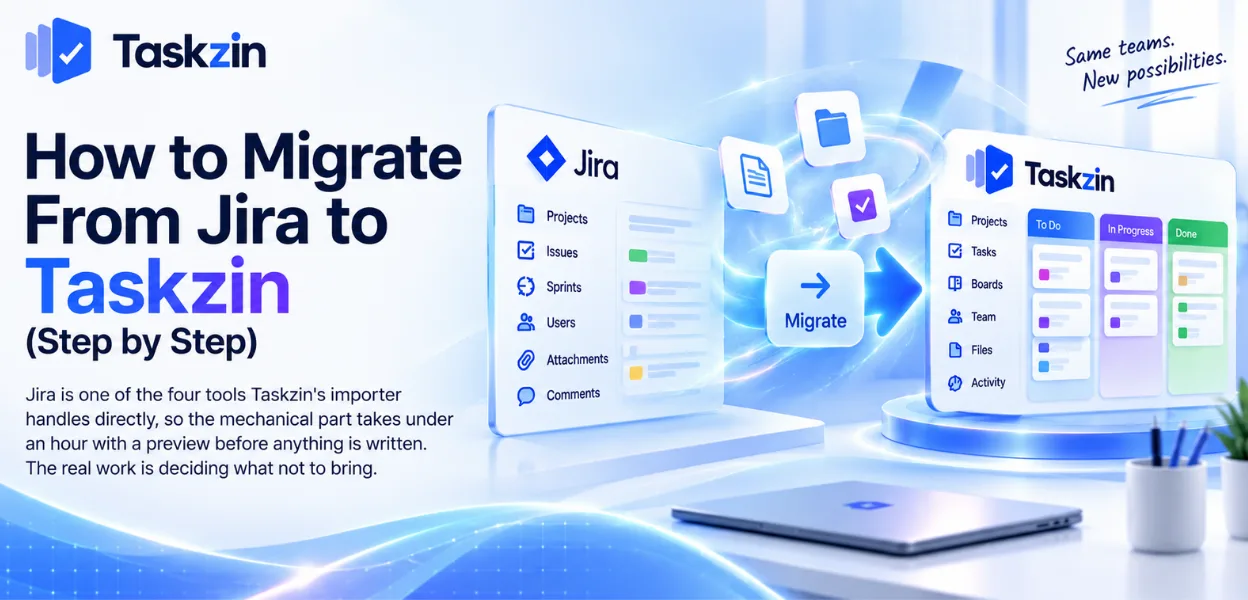
How to Migrate From Jira to Taskzin
A step-by-step guide to migrating from Jira, covering the decisions to make before importing, exactly what transfers and what does not, the eight-step process, how to handle workflows and epics, and common migration mistakes.

Event Planning Template
An event planning template covering a twelve-week phased timeline, a run sheet for the day itself, budget and supplier tracking, how to plan backwards from a fixed date, and the mistakes that cause last-minute panic.
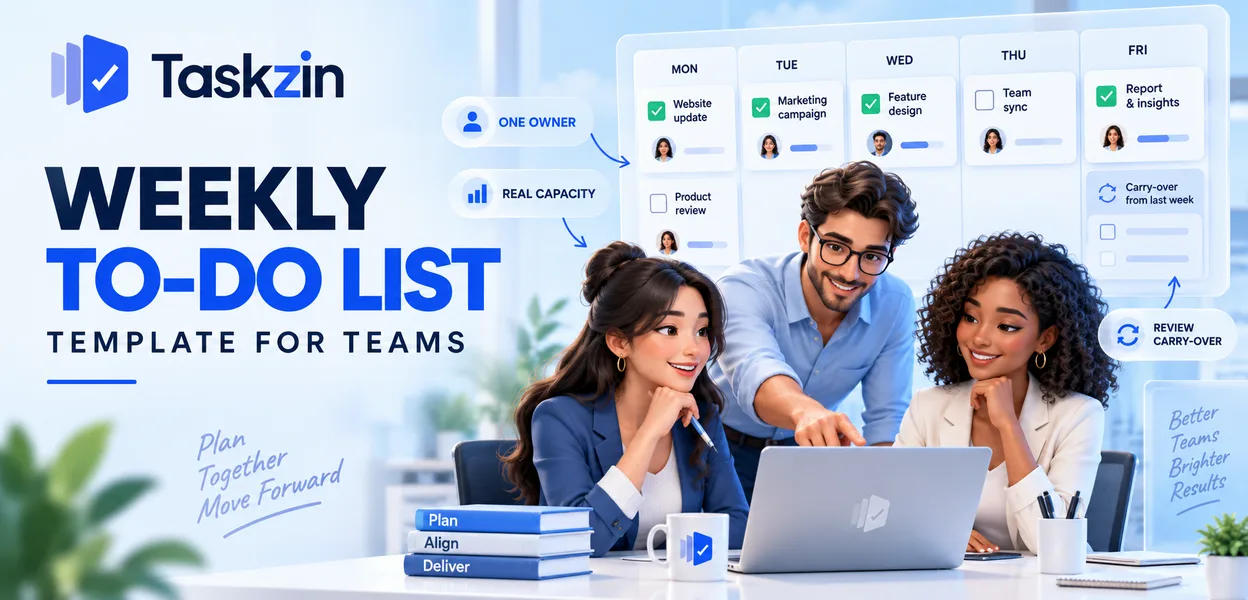
Weekly To-Do List Template for Teams
A weekly to-do list template for teams with a worked example, covering why team lists fail differently from personal ones, the weekly cycle that keeps them current, how to make commitments realistic, and common mistakes.

Gantt Chart Template
A Gantt chart template with a worked twelve-week example, covering what a Gantt chart is actually for, the four dependency types, how the critical path works, how to build one that stays accurate, and common mistakes.
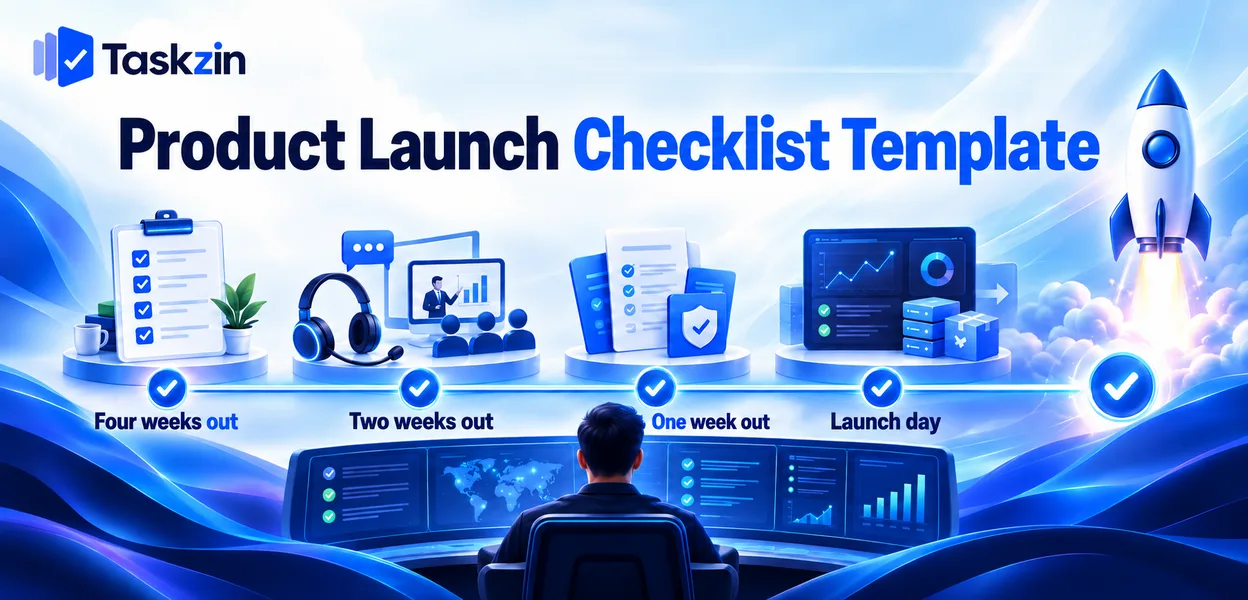
Product Launch Checklist Template
A product launch checklist template organised around what launches actually fail on, covering four weeks out to the week after launch, go/no-go criteria, rollback triggers, and how to adapt it to different launch sizes.

OKR Template With Examples
An OKR template with worked examples by function, showing what separates an objective from a key result, bad OKRs paired with their fixes, how to set and run a quarter, and the mistakes that break the framework.
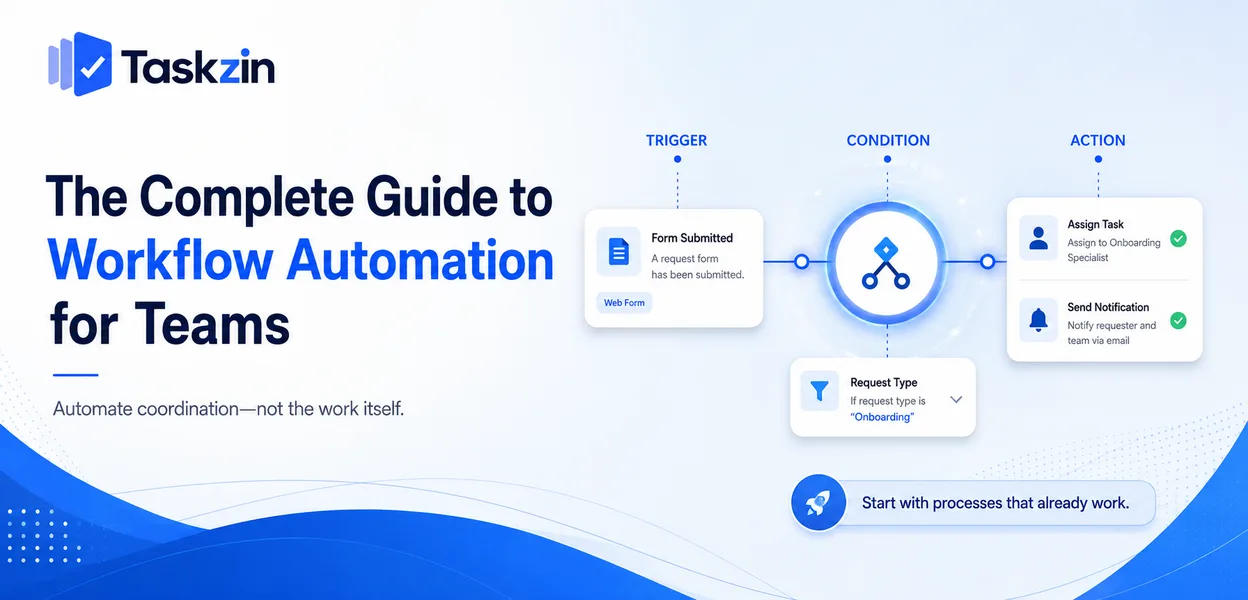
The Complete Guide to Workflow Automation for Teams
A comprehensive guide to workflow automation for teams, covering how automation works, what to automate in priority order, building your first rules, designing automations that survive, governing them as they grow, and common mistakes.
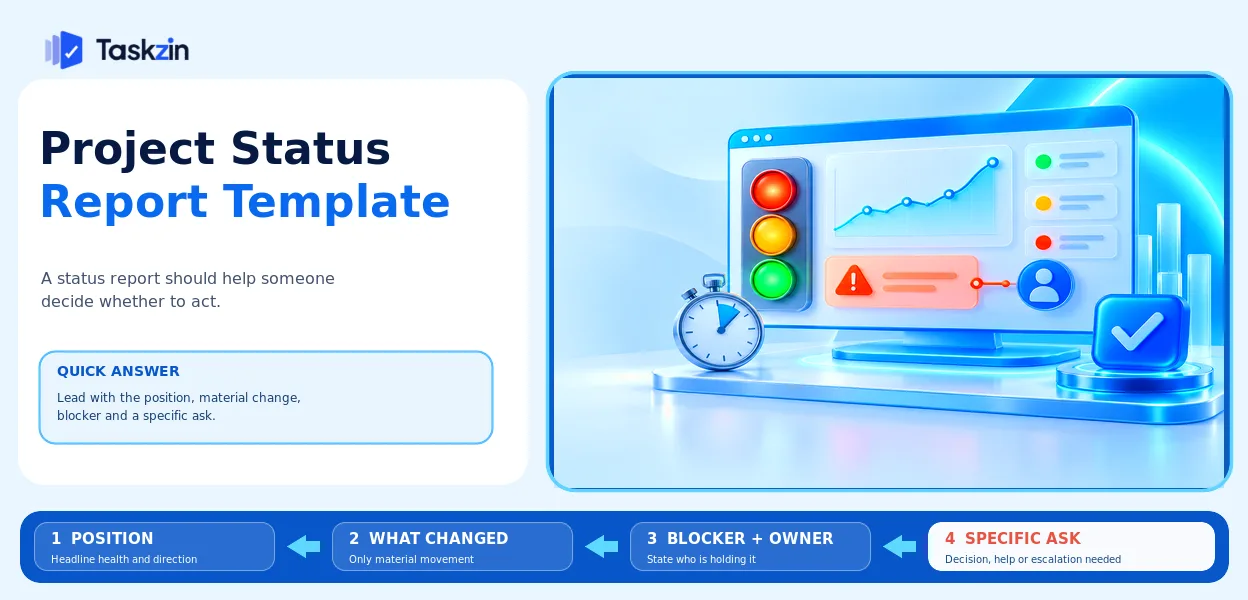
Project Status Report Template
A project status report template with a filled worked example, covering what a report is actually for, how to use RAG status honestly, how to adapt it for executives, peers and the team, and how to write it in fifteen minutes.
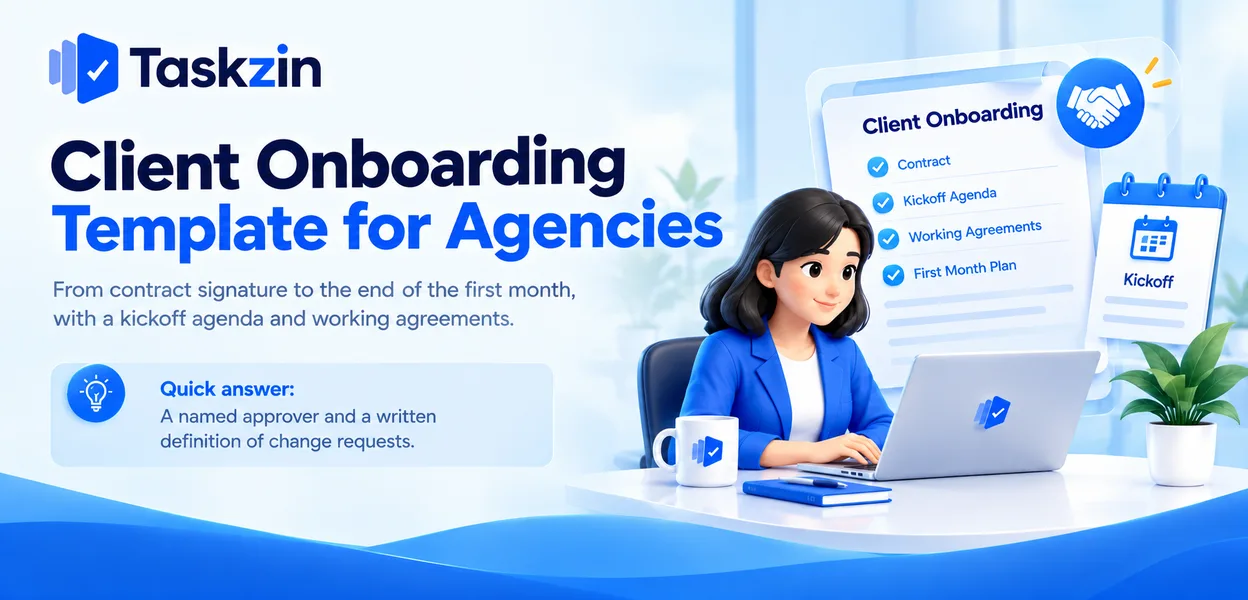
Client Onboarding Template for Agencies
A client onboarding template for agencies covering signature through the first month, with a structured kickoff agenda, the working agreements that prevent most scope disputes, how to get client inputs on time, and common mistakes.
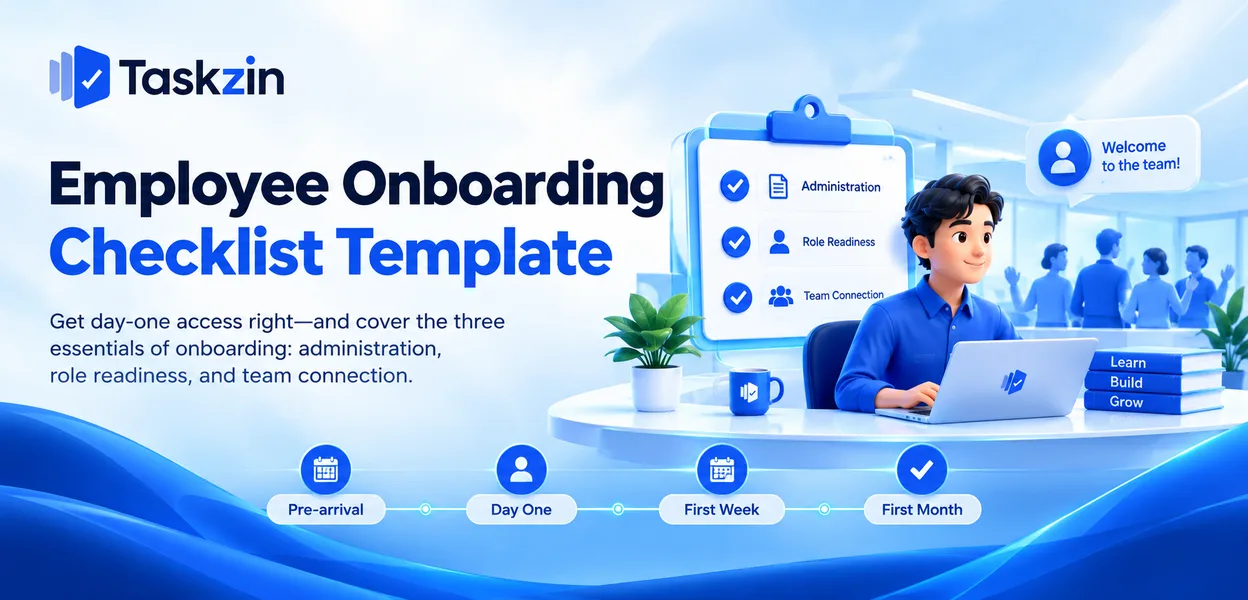
Employee Onboarding Checklist Template
An employee onboarding checklist template covering pre-arrival through to 90 days, with named owners for each item, the three goals onboarding must achieve, how to split ownership between HR, manager and buddy, and common mistakes.
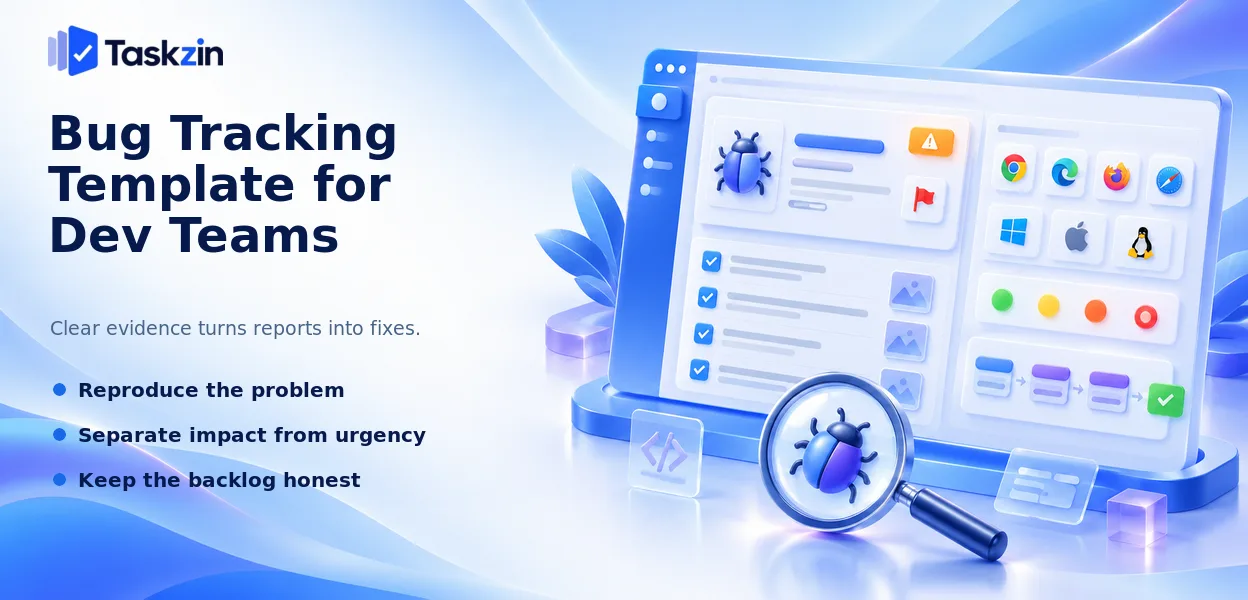
Bug Tracking Template for Dev Teams
A bug tracking template for development teams with a worked example, covering what makes a report actionable, the difference between severity and priority, a triage workflow, and how to keep a bug backlog honest.
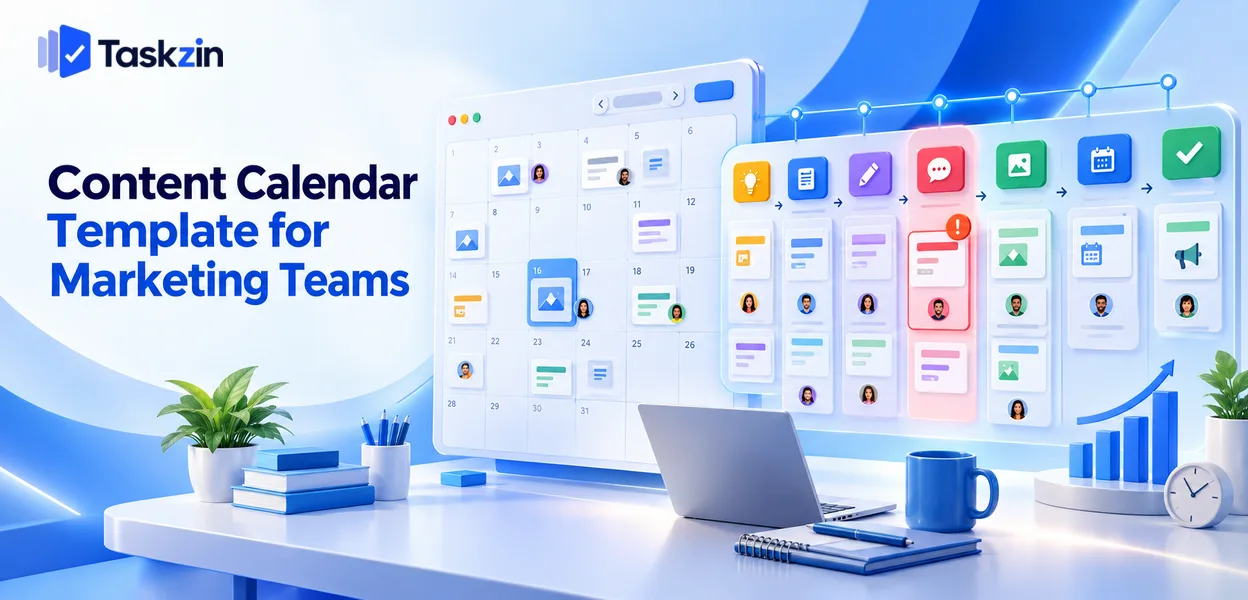
Content Calendar Template for Marketing Teams
A content calendar template for marketing teams that tracks workflow stages and ownership rather than just publish dates, with a worked example, guidance on setting up the workflow, planning cadence, and common mistakes.
Risk Register Template
A risk register template with a filled worked example, covering what a register is actually for, the fields that matter, how to score without false precision, the four response options, and how to keep it maintained.
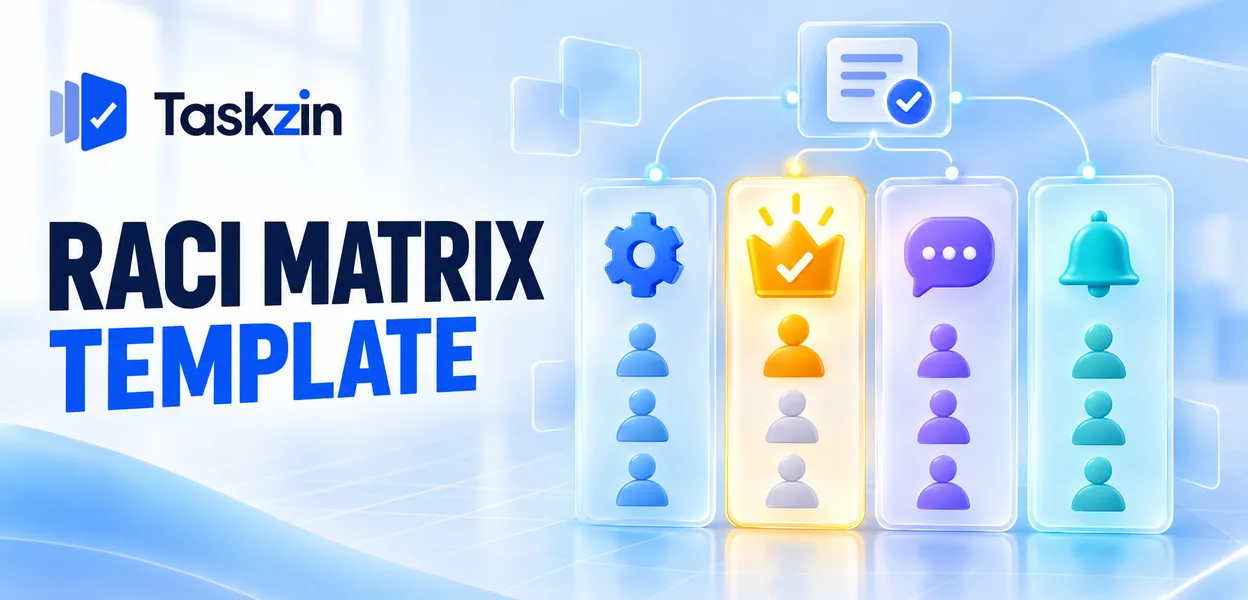
RACI Matrix Template
A RACI matrix template with a filled worked example, covering the precise meaning of each letter, the rules that make it work including one Accountable per row, how to build one quickly, and the mistakes that make matrices useless.
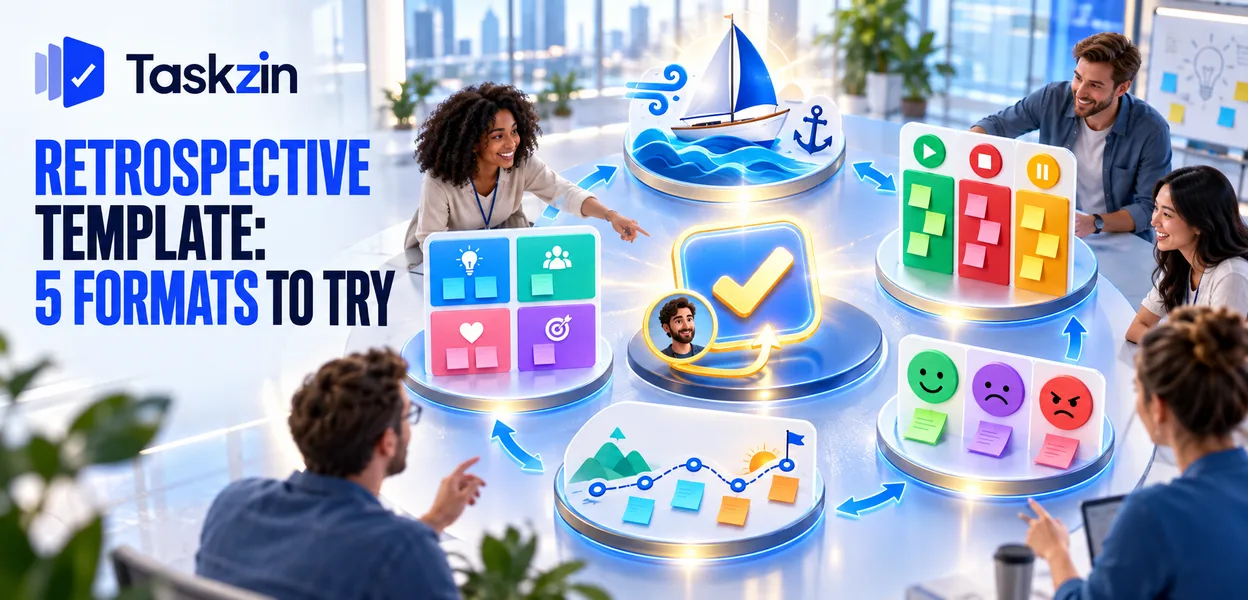
Retrospective Template: 5 Formats to Try
Five retrospective formats with prompts, timings and what each surfaces, covering why rotating formats matters, the one thing that determines whether retros work, facilitation guidance, and common mistakes.
Meeting Agenda Template That Actually Gets Used
A meeting agenda template that people actually read, covering why most agendas are ignored, the six elements that matter, a worked example, the single line that transforms a meeting, and how to handle recurring meetings.
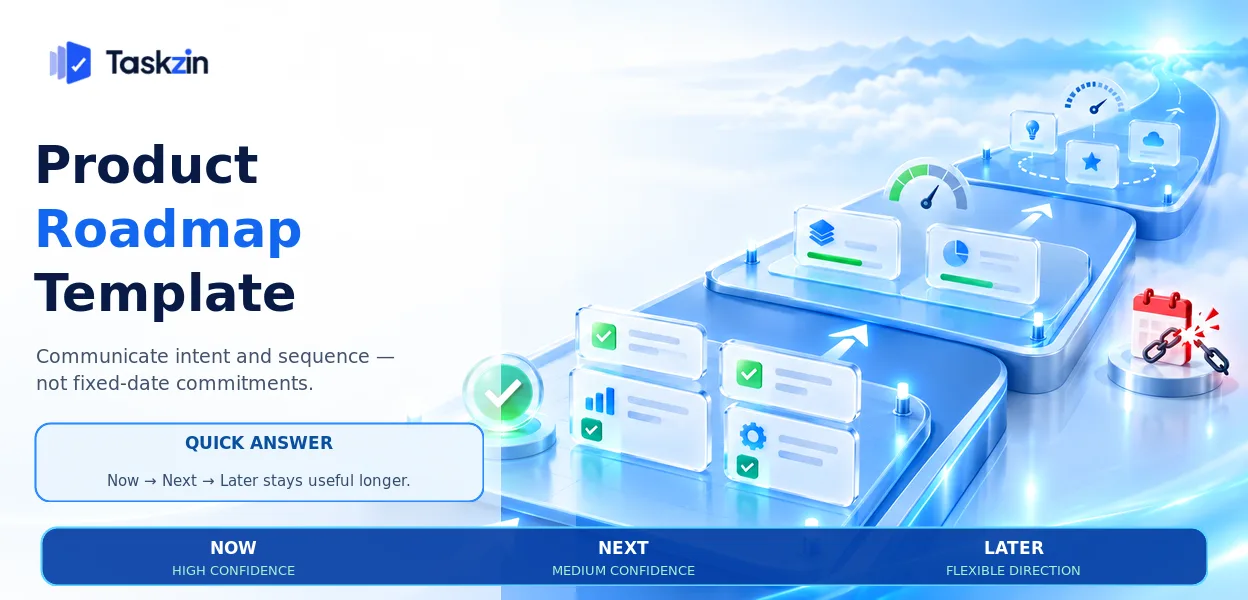
Product Roadmap Template
A product roadmap template using the now-next-later format with a worked example, covering what a roadmap is actually for, four format options, how to present it to executives, sales and the team, and common mistakes.
Sprint Planning Template
A sprint planning template with a timed agenda and a filled worked example, covering what the meeting must produce, how to calculate what actually fits, how to facilitate it well, and the mistakes that cause chronic overcommitment.
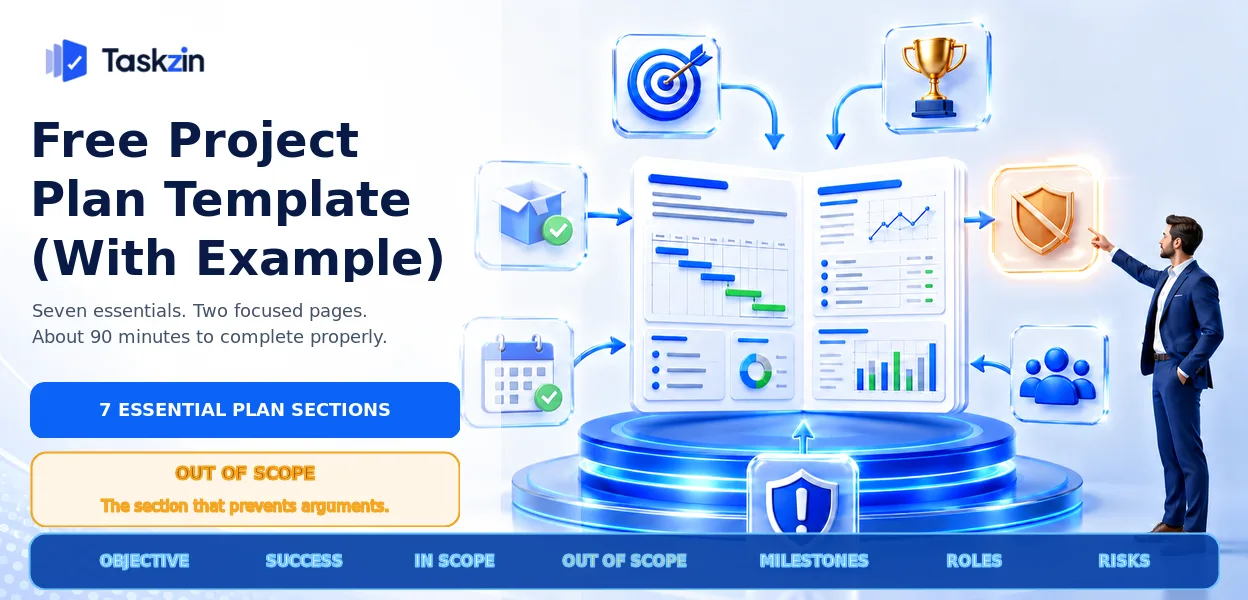
Free Project Plan Template (With Example)
A free project plan template with a filled worked example, covering the seven sections a plan actually needs, how to complete it in ninety minutes, how to keep it current, and the mistakes that make plans unreadable.
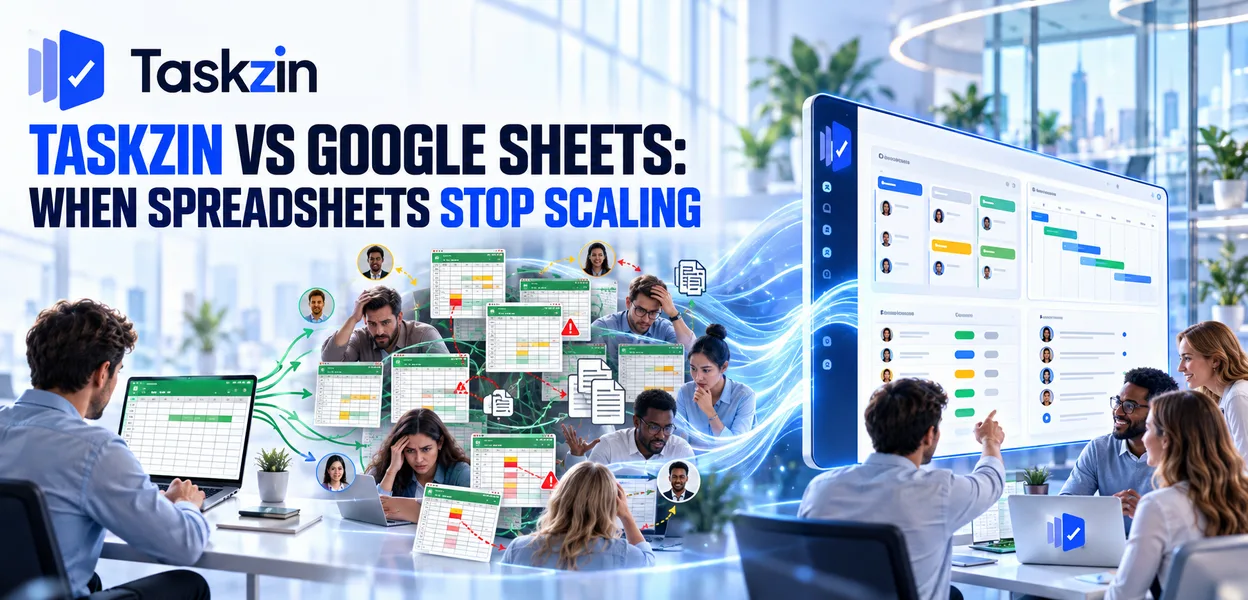
Taskzin vs Google Sheets: When Spreadsheets Stop Scaling
An honest look at when Google Sheets stops working for project tracking, covering why spreadsheets work at first, the seven signals you have outgrown one, what sheets structurally cannot do, what you lose by moving, and when to stay.
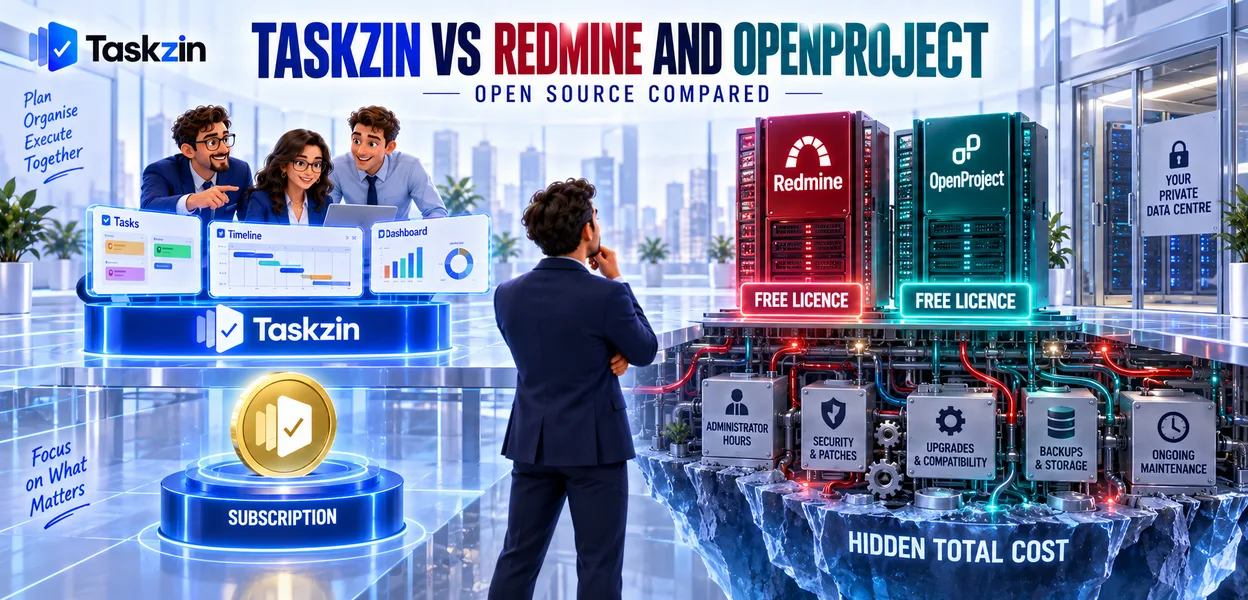
Taskzin vs Redmine and OpenProject (Open Source Compared)
An honest comparison of Taskzin with Redmine and OpenProject, covering what self-hosted open source actually costs beyond the free licence, where data sovereignty and scale make it the right choice, and how Redmine and OpenProject differ.

Taskzin vs Nifty
An honest comparison of Taskzin and Nifty, acknowledging their substantial overlap, covering Nifty's milestone-driven progress and built-in discussions, Taskzin's flow control and pricing, and a method for choosing between close competitors.
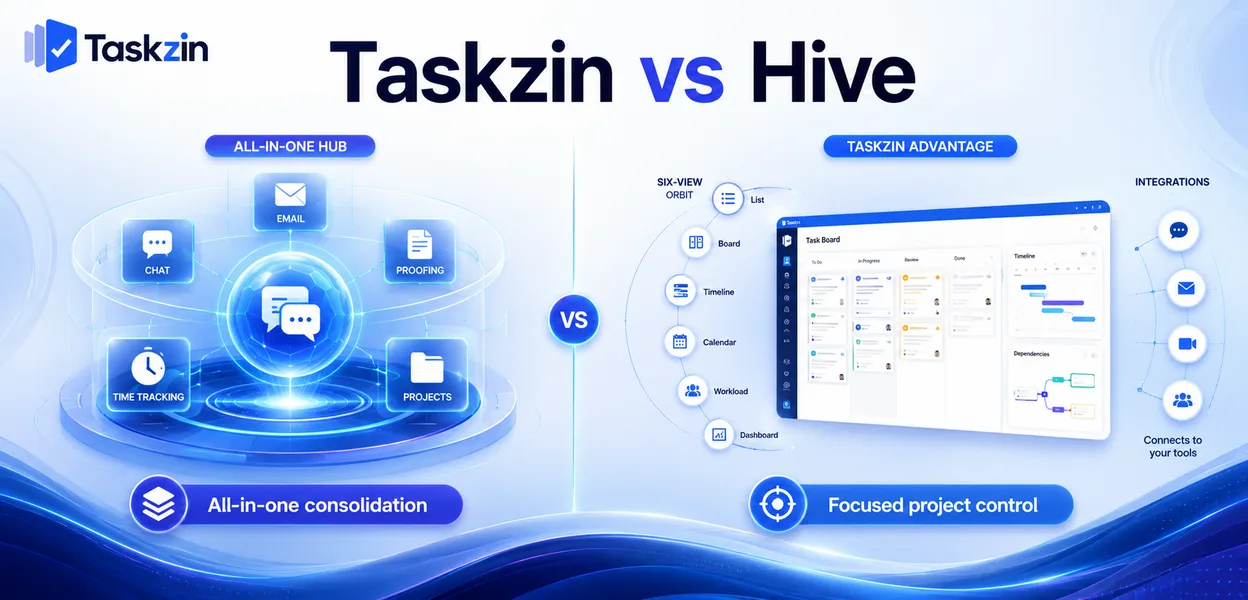
Taskzin vs Hive
An honest comparison of Taskzin and Hive, covering Hive's bundled communication and proofing strengths, Taskzin's pricing simplicity and flow control, and an honest examination of whether tool consolidation actually delivers.
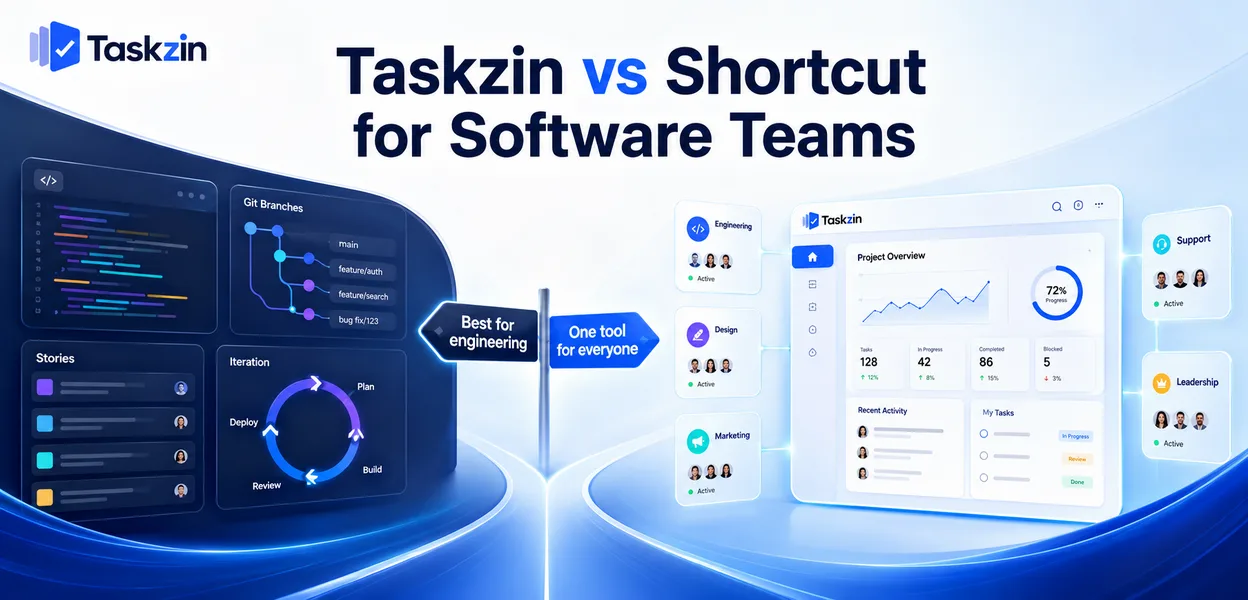
Taskzin vs Shortcut for Software Teams
An honest comparison of Taskzin and Shortcut for software teams, covering Shortcut's engineering-only focus and Git workflow strength, Taskzin's cross-functional scope and stakeholder visibility, and the one-tool-or-two decision.
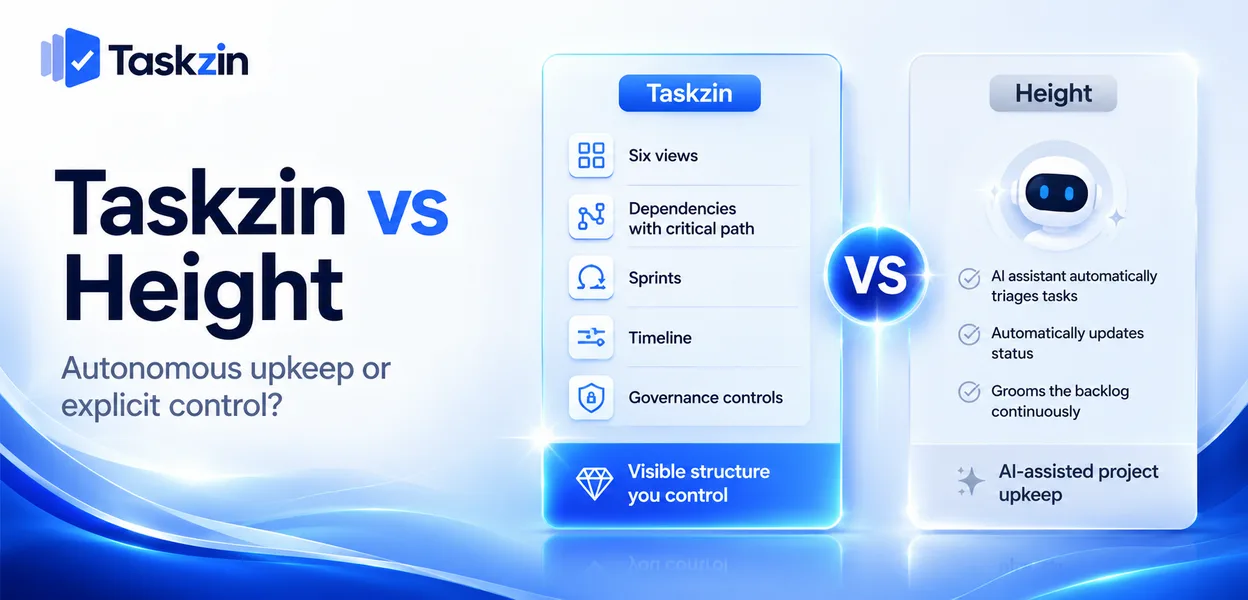
Taskzin vs Height
An honest comparison of Taskzin and Height, covering their opposing bets on AI-led upkeep versus explicit structure, where each is genuinely stronger, an honest assessment of what AI does in project tools today, and how to choose.
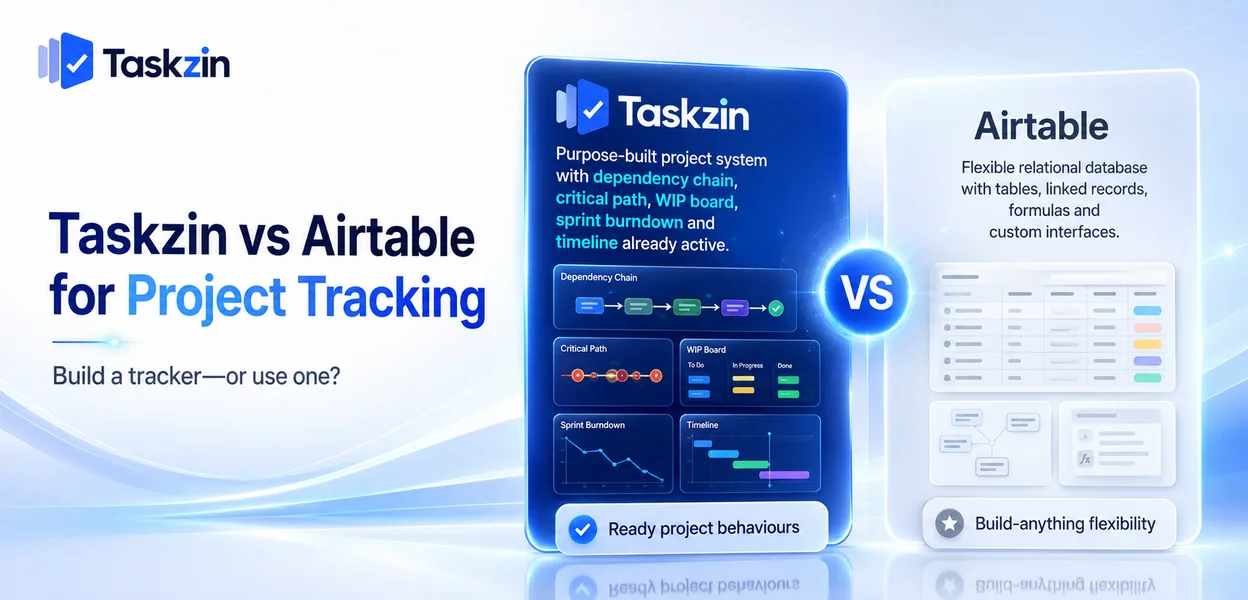
Taskzin vs Airtable for Project Tracking
An honest comparison of Taskzin and Airtable for project tracking, covering the difference between a database and a purpose-built tool, where Airtable's flexibility wins, the real cost of building it yourself, and when to use each.
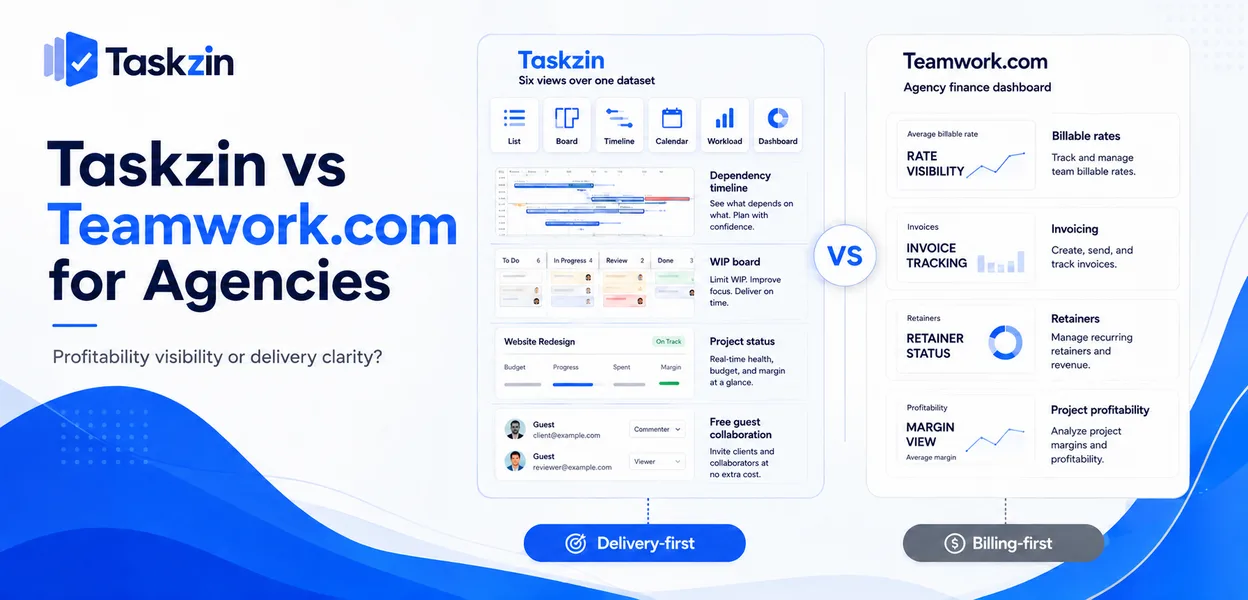
Taskzin vs Teamwork.com for Agencies
An honest comparison of Taskzin and Teamwork.com for agencies, covering billing-first versus delivery-first positioning, where each is genuinely stronger, how to calculate the real cost including clients, and how to choose based on your actual problem.
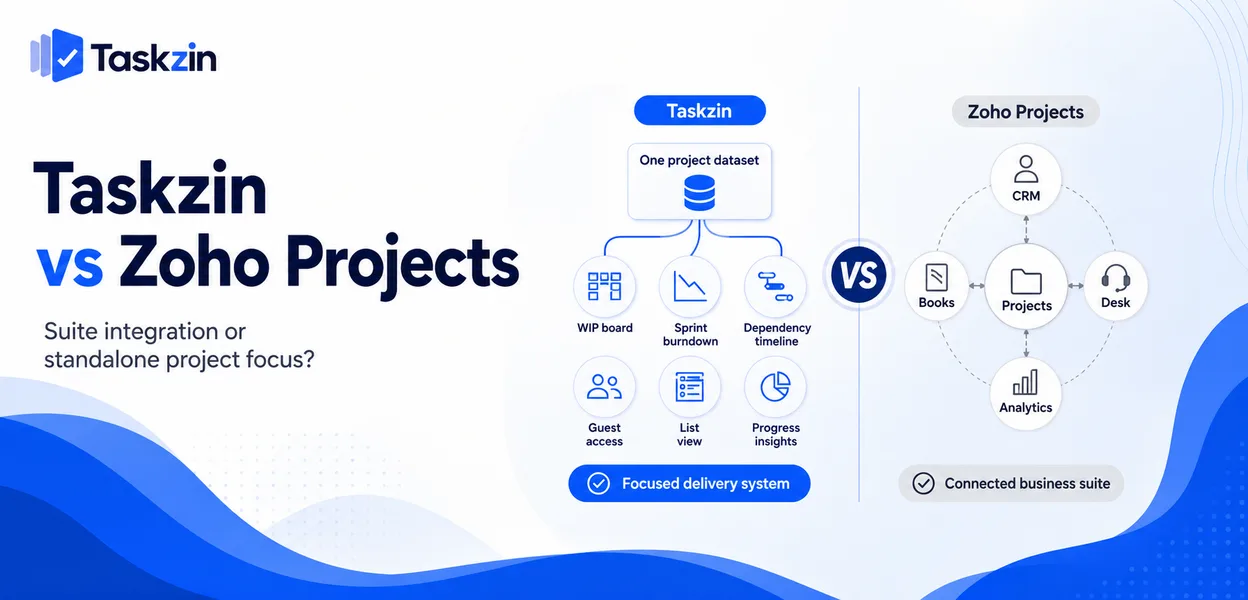
Taskzin vs Zoho Projects
An honest comparison of Taskzin and Zoho Projects, covering suite membership versus standalone focus, where Zoho's integration and built-in modules win, where Taskzin's unified views and guest access win, and what migration involves.
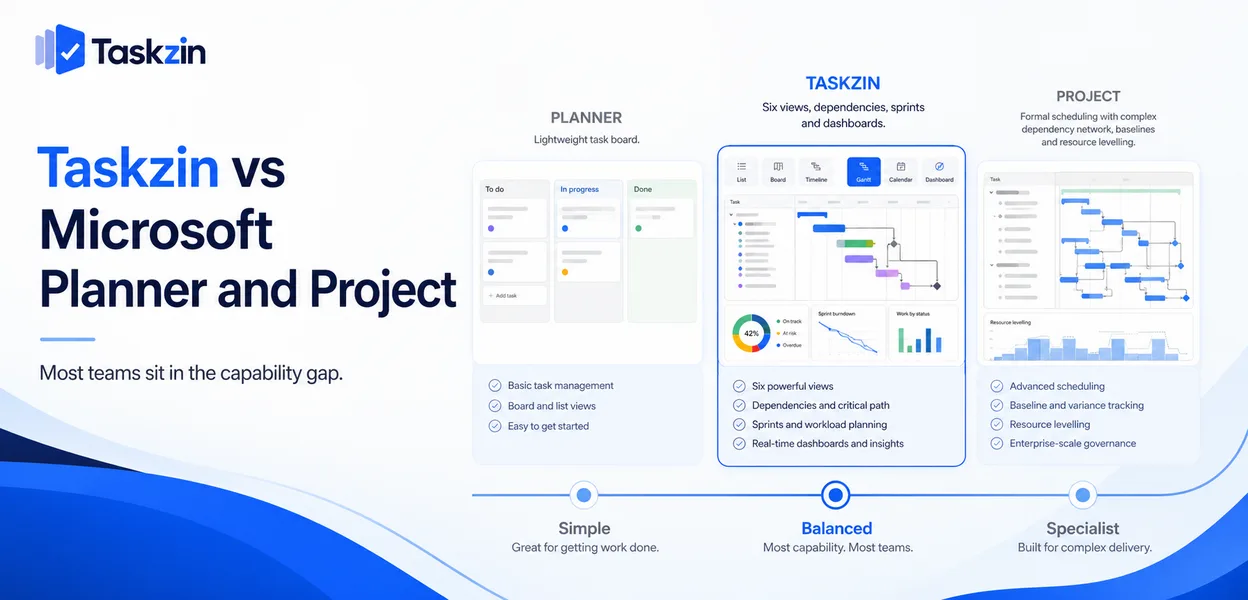
Taskzin vs Microsoft Planner and Project
An honest comparison of Taskzin with Microsoft Planner and Microsoft Project, covering why they are three different products, where Planner runs out, where Project is more than most teams need, the ecosystem argument, and migration realities.
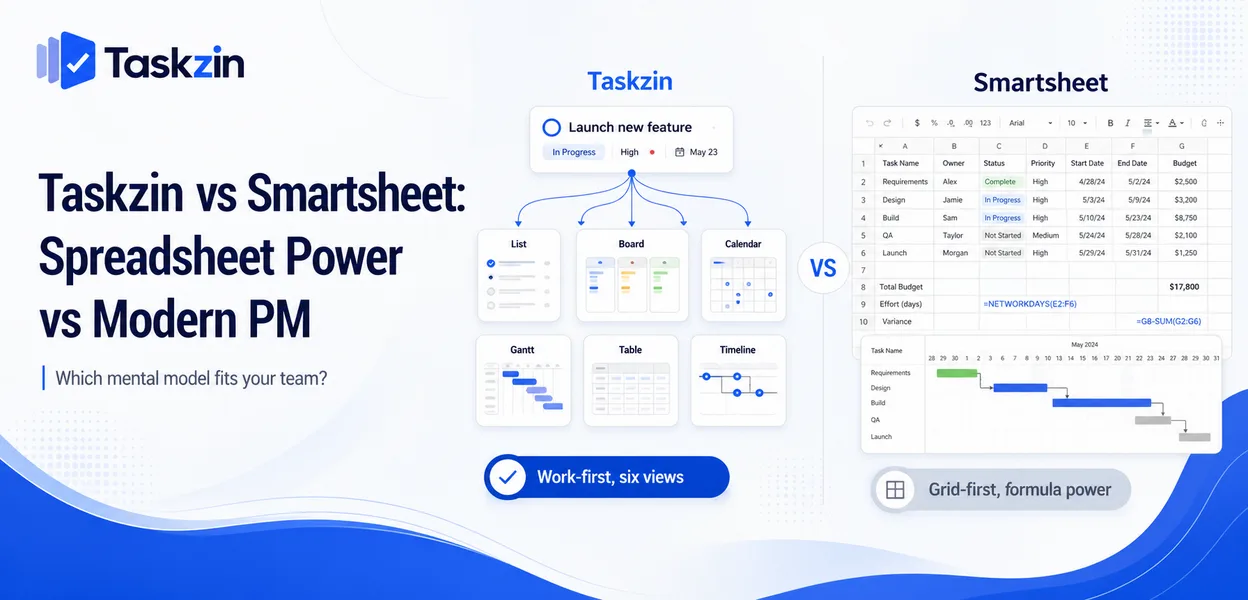
Taskzin vs Smartsheet: Spreadsheet Power vs Modern PM
An honest comparison of Taskzin and Smartsheet, covering the difference between a grid-first and a work-first model, where Smartsheet's formulas and data handling win, where Taskzin's collaboration and flow management win, and migration realities.
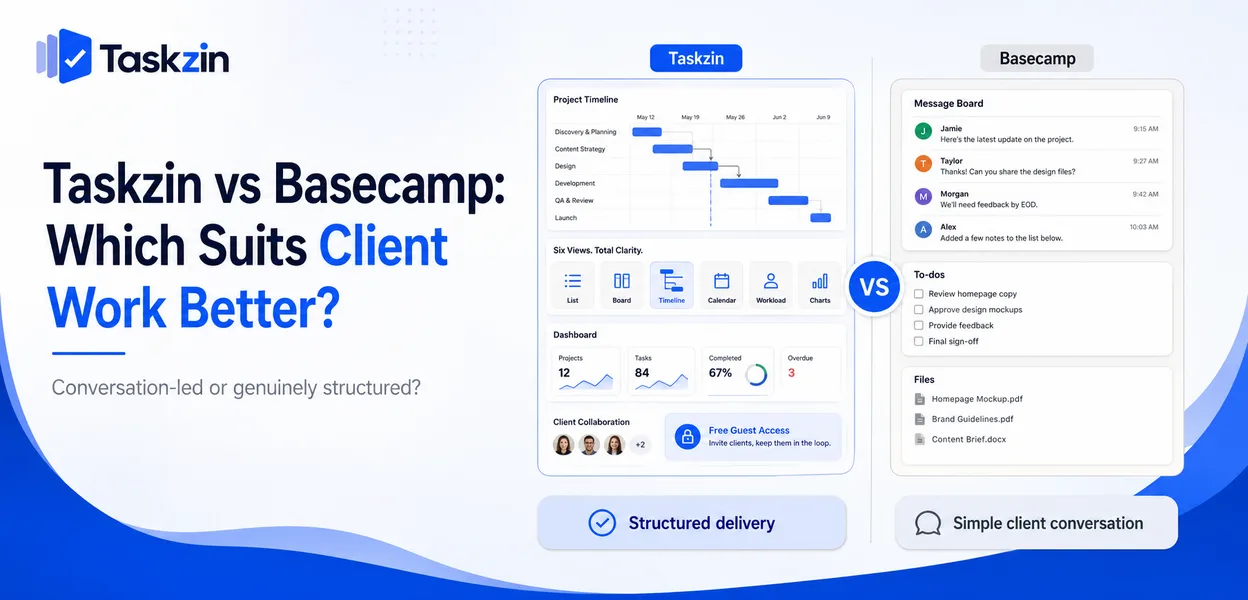
Taskzin vs Basecamp: Which Suits Client Work Better?
An honest comparison of Taskzin and Basecamp for client work, covering their opposing philosophies, how the pricing models actually compare, where Basecamp's deliberate constraints are a strength, and where structure and reporting matter more.
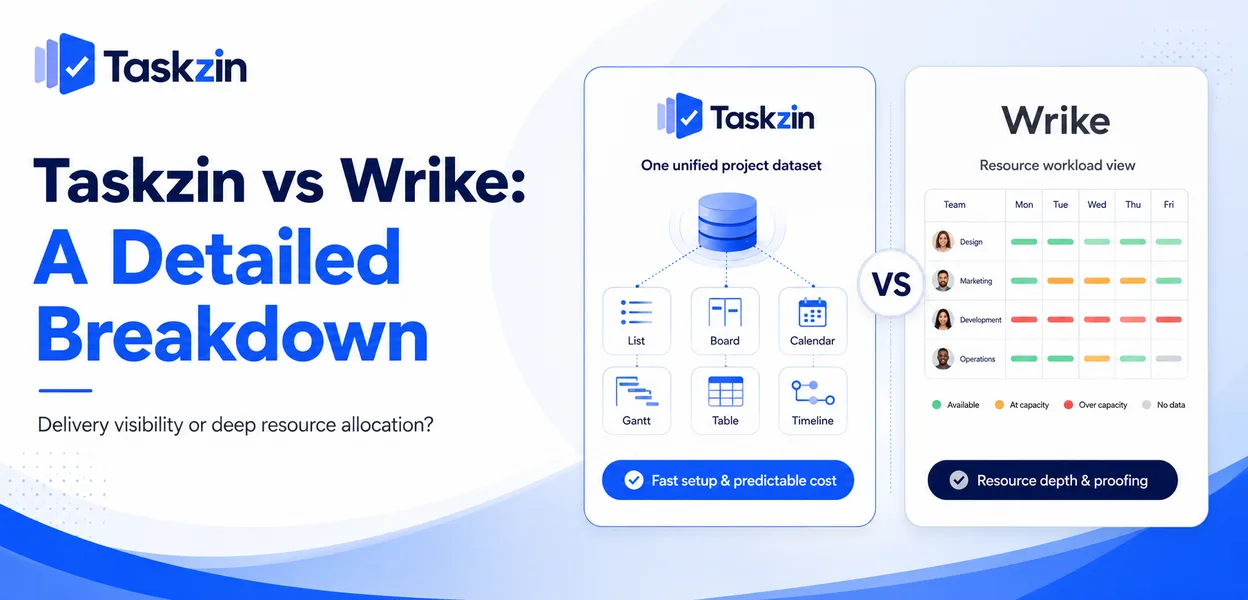
Taskzin vs Wrike: A Detailed Breakdown
An honest comparison of Taskzin and Wrike, covering what each is built around, where Wrike is genuinely stronger on resource management and proofing, where Taskzin wins on pricing and guest access, and what migration involves.

The Pomodoro Technique, Honestly Evaluated
An honest evaluation of the Pomodoro Technique, covering what the method actually is, where it genuinely helps, where it gets in the way of deep or reactive work, how to adapt it rather than abandon it, and common mistakes.

Time Blocking: How It Works and Who It's For
A practical assessment of time blocking, covering what the method actually does, its variants, how to start realistically, who it suits and who it does not, how to keep it working through bad weeks, and common mistakes.
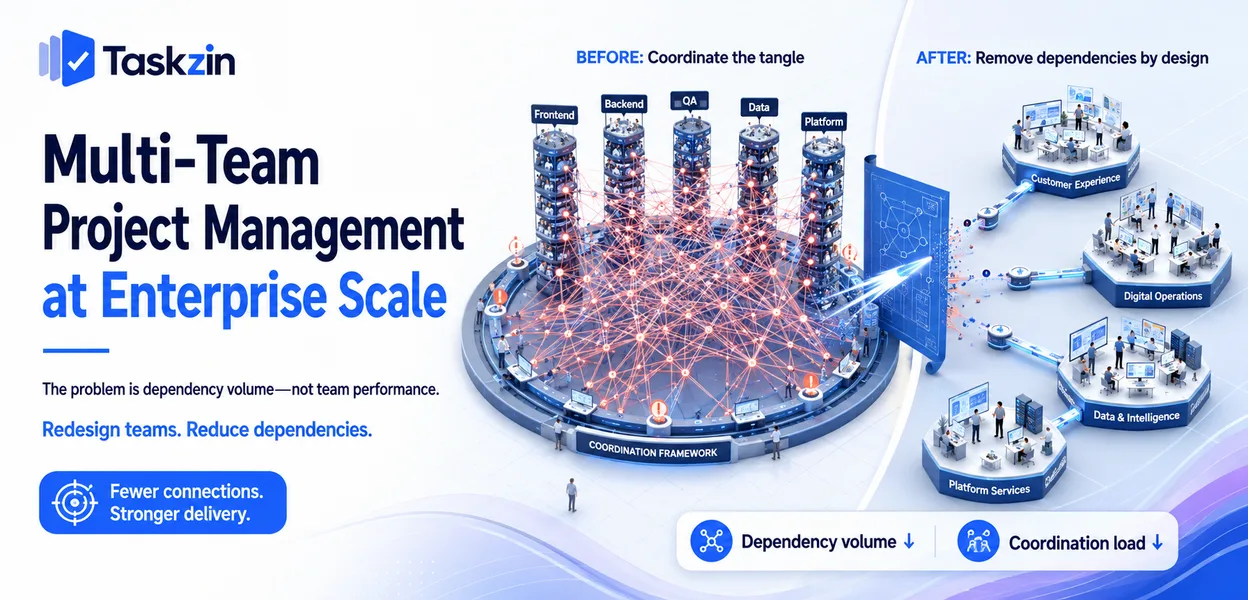
Multi-Team Project Management at Enterprise Scale
A practical guide to multi-team project management at enterprise scale, covering why dependencies rather than team performance are the constraint, reducing them through team design, making them visible and owned, and planning and reporting across teams.
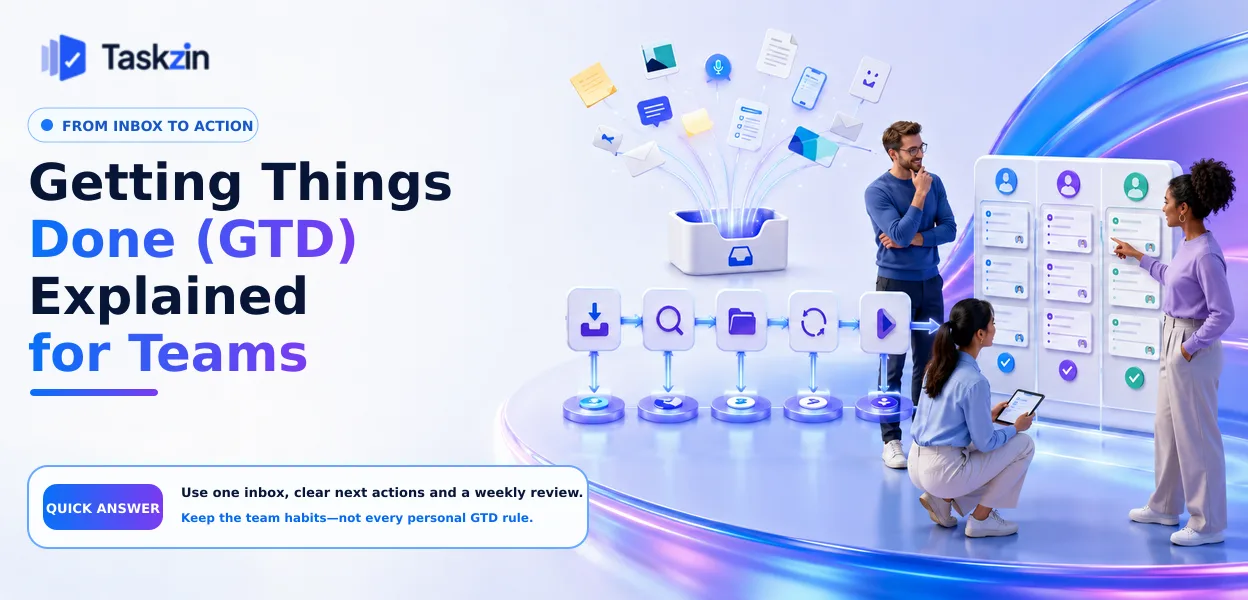
Getting Things Done (GTD) Explained for Teams
An explanation of Getting Things Done adapted for teams, covering the five steps, which GTD concepts transfer to shared work and which do not, how to run a practical team version, and common mistakes.

Eat the Frog: Does Doing the Worst Task First Work?
An honest assessment of the eat the frog method, covering what it prescribes, why it works when it works, where the advice breaks down, a more useful version of the rule, and the mistakes people make applying it.

How to Run Half as Many Meetings
A practical guide to reducing meeting load, covering why meetings accumulate, how to audit their real cost, what each meeting type should become instead, how to improve the ones that remain, and how to stop the load creeping back.
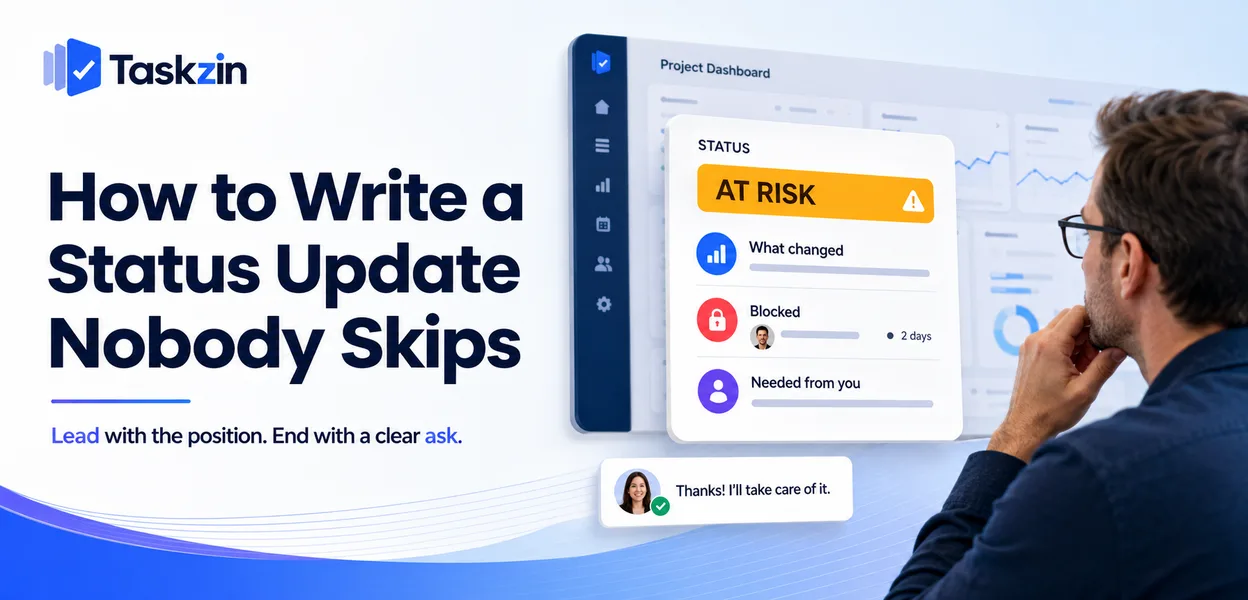
How to Write a Status Update Nobody Skips
A practical guide to writing status updates people read, covering why most get ignored, a structure that works, how to write each section, adapting for different audiences, and how to keep updates sustainable.
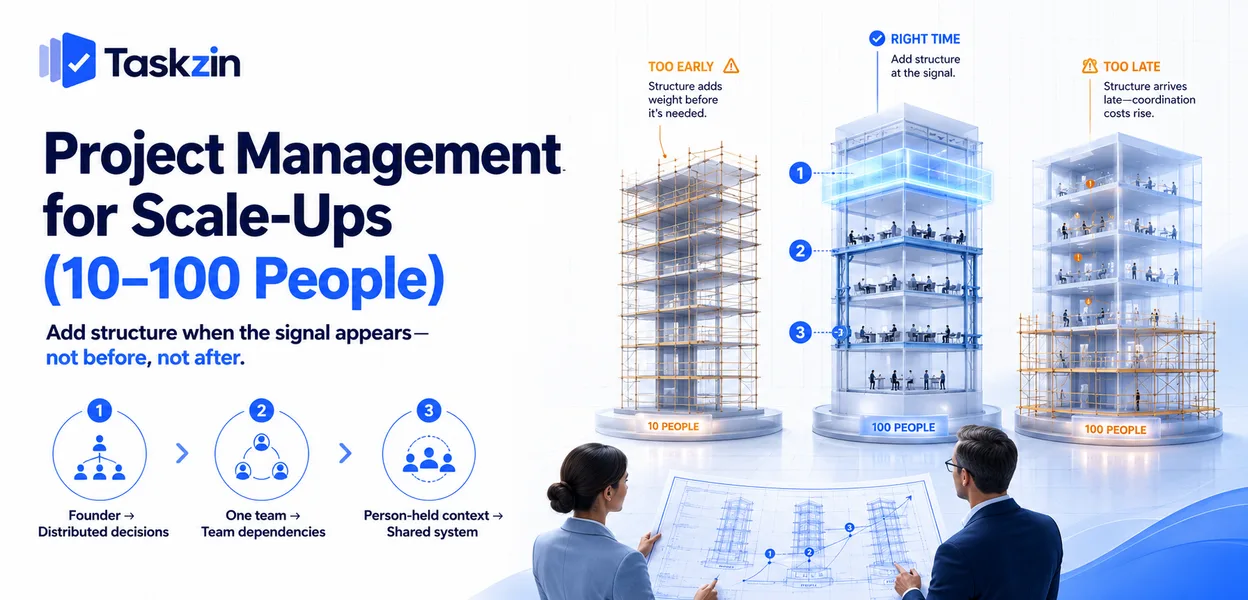
Project Management for Scale-Ups (10-100 People)
A practical guide to project management for scale-ups between ten and a hundred people, covering what breaks as you grow, the three transitions to manage in order, and the mistakes that come from adding process too early or copying big-company models.
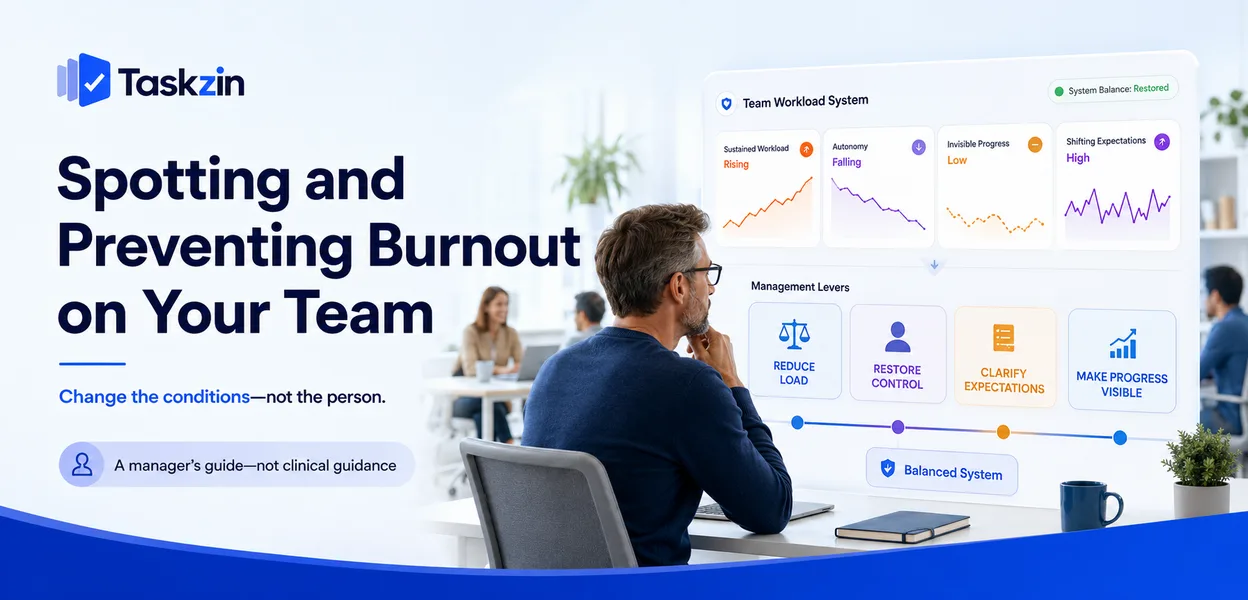
Spotting and Preventing Burnout on Your Team
A manager's guide to spotting and preventing burnout, covering what burnout is as an occupational phenomenon, early signals worth noticing, the workplace conditions that cause it, what managers can actually change, and how to have the conversation.

How to Onboard a New Team Member Remotely
A practical guide to remote onboarding, covering the three things an office provides that must be deliberately replaced, a week-by-week first month, what to prepare before day one, and the mistakes that leave new joiners politely lost.
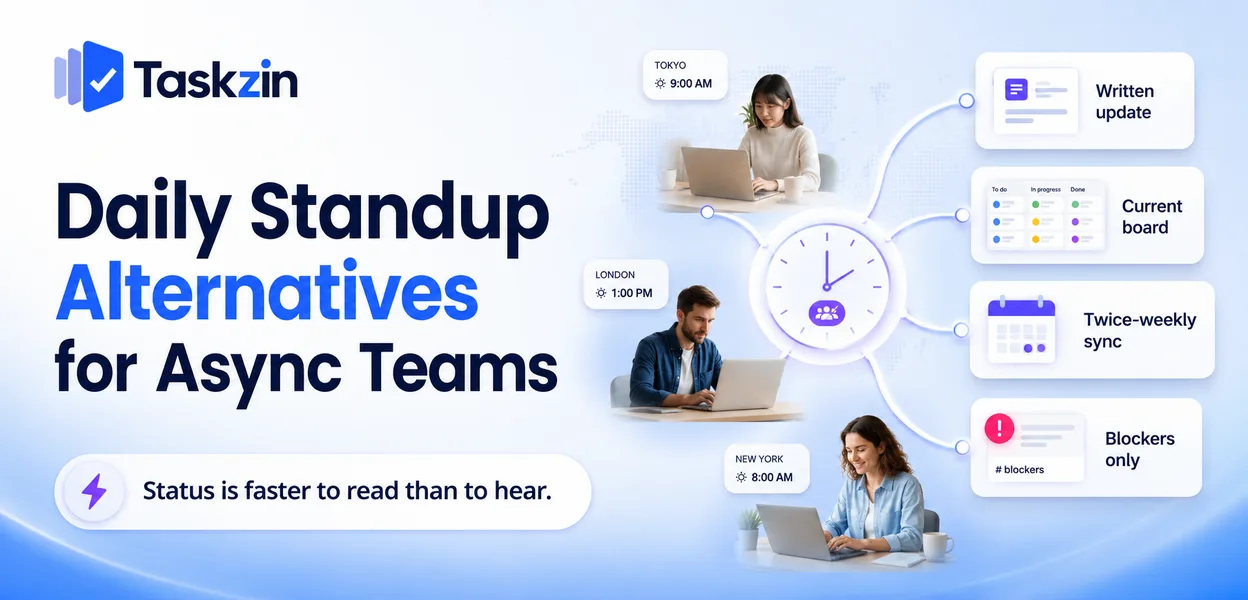
Daily Standup Alternatives for Async Teams
A practical guide to replacing the daily standup on async teams, covering why live standups break down across time zones, six alternatives compared, how to run a written standup properly, and how to choose and introduce the right one.
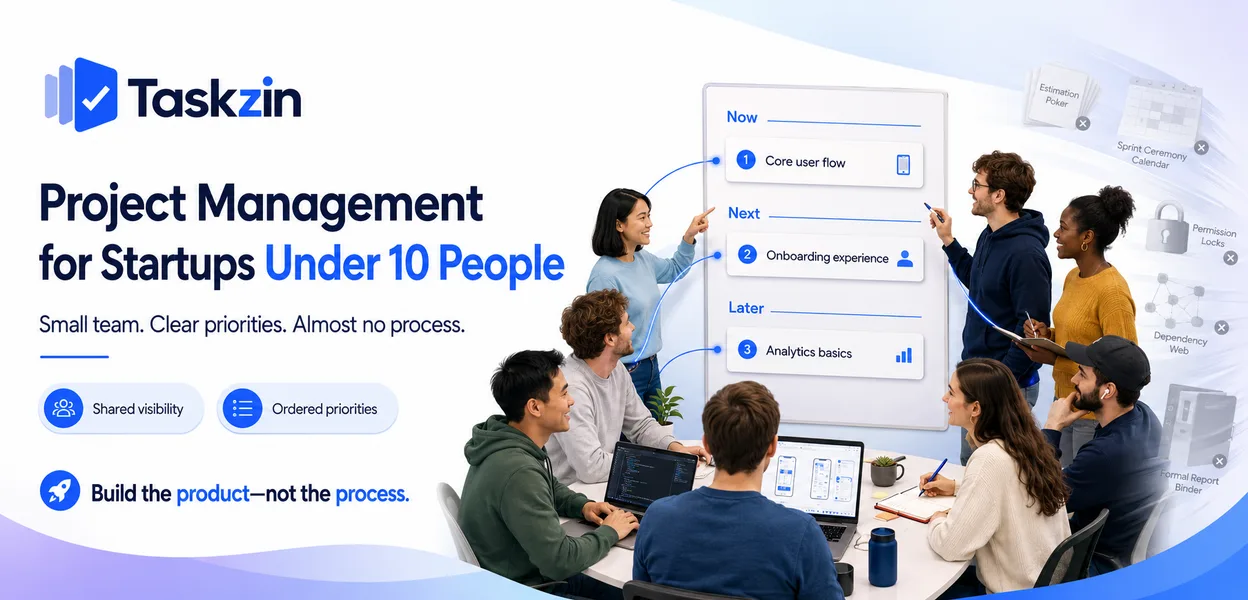
Project Management for Startups Under 10 People
A practical guide to project management for startups under ten people, covering what a team this size actually needs, the minimum viable system, running work without ceremony, handling startup-specific problems, and when to add structure.
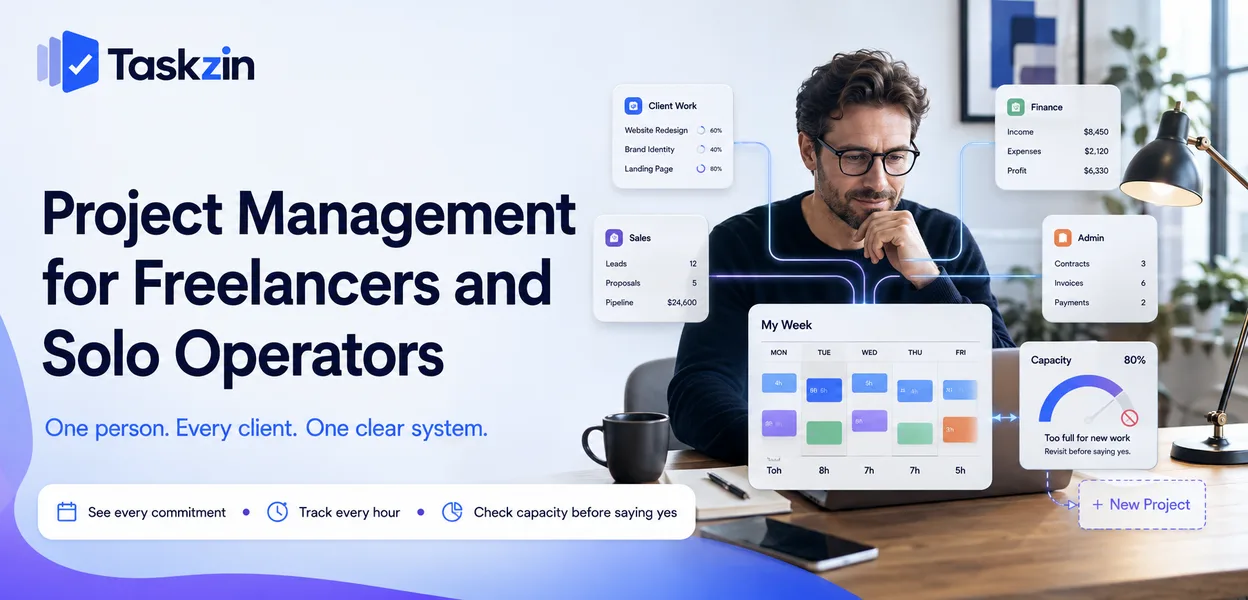
Project Management for Freelancers and Solo Operators
A practical guide to project management for freelancers and solo operators, covering what changes when you are the whole team, running multiple clients, protecting your time and rate, managing capacity against pipeline, and common mistakes.
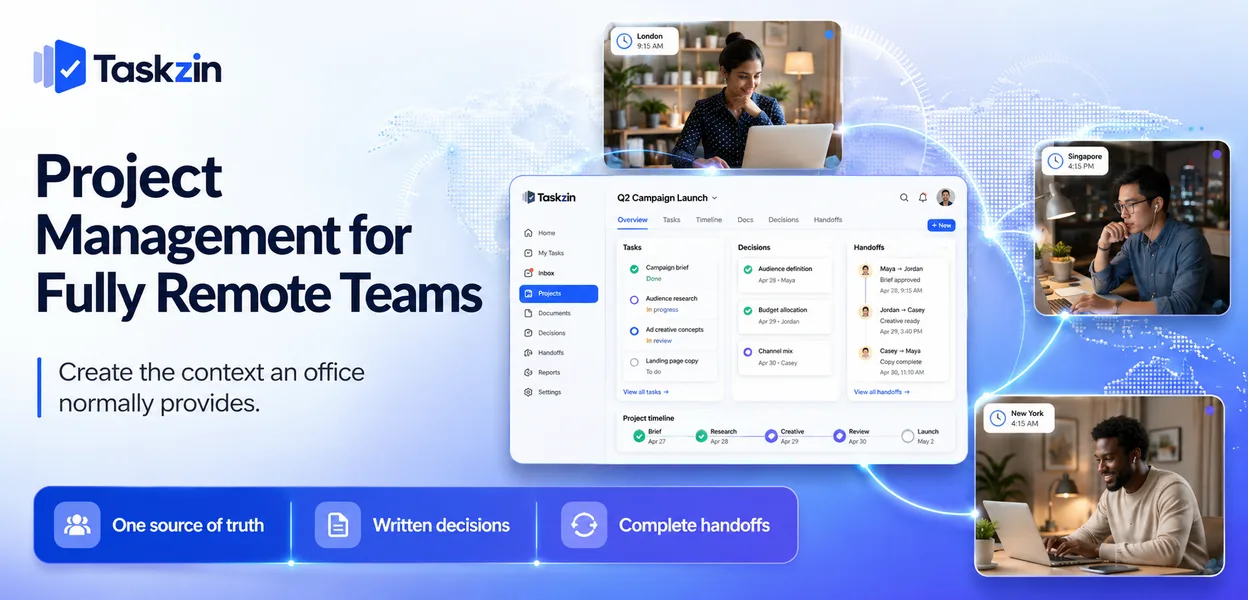
Project Management for Fully Remote Teams
A practical guide to project management for fully remote teams, covering what changes structurally without an office, the practices that matter most, designing around time zones, replacing informal office mechanisms, and common mistakes.
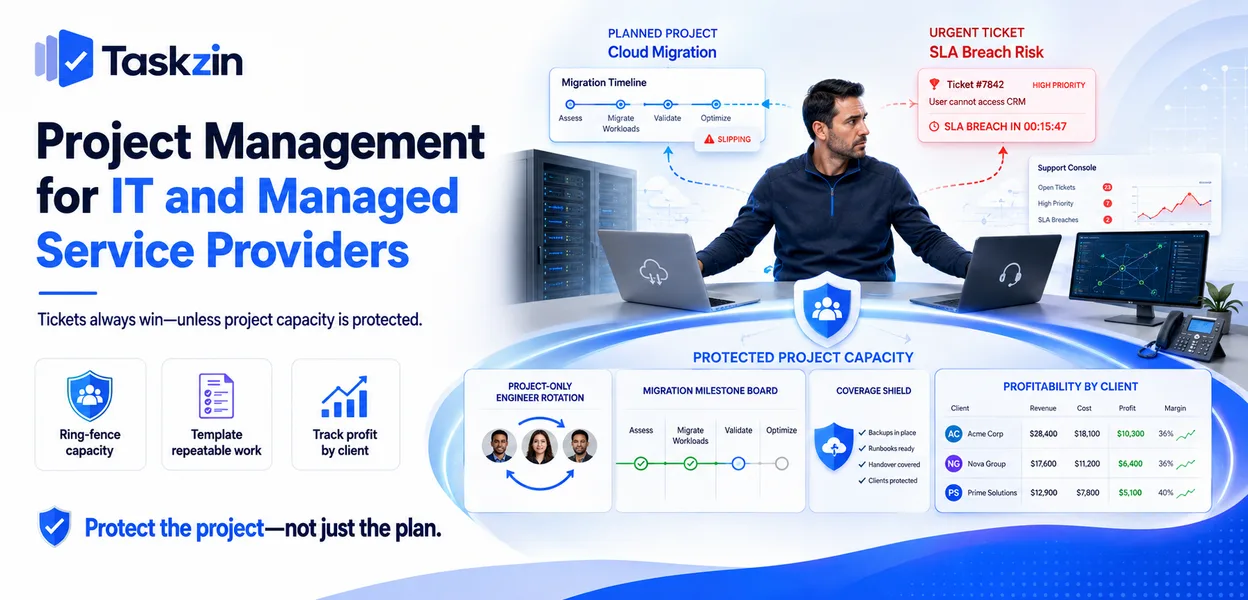
Project Management for IT and Managed Service Providers
A practical guide to project management for IT and managed service providers, covering the structural conflict between tickets and projects, ring-fencing capacity, running client onboarding as a repeatable project, and tracking client profitability.
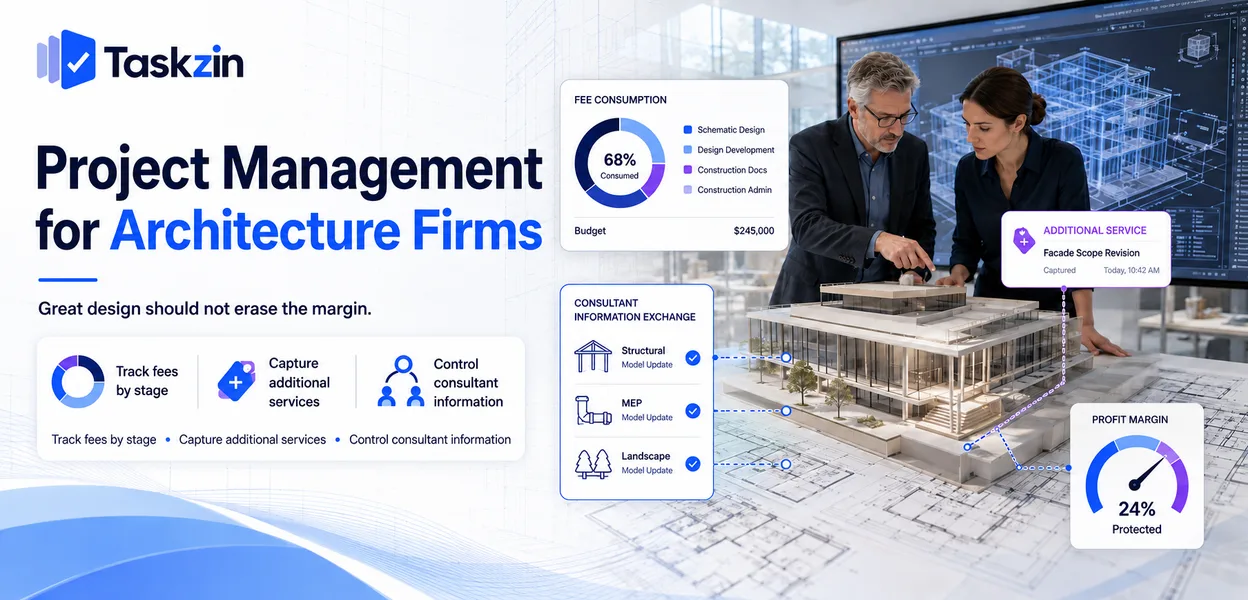
Project Management for Architecture Firms
A practical guide to project management for architecture firms, covering the work stage structure, managing fee and scope together, coordinating consultants and drawing revisions, planning shared studio resource, and the habits that damage profitability.
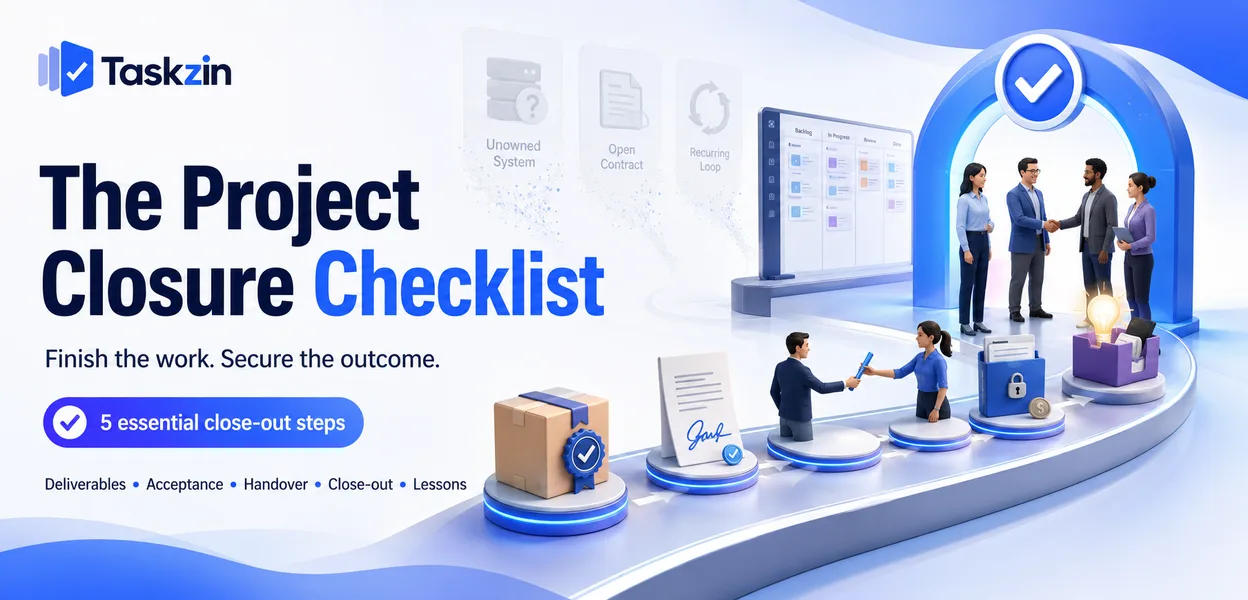
The Project Closure Checklist
A practical project closure checklist covering why closure gets skipped, confirming delivery and formal acceptance, handover to operations, commercial and administrative close-out, and running lessons learned that actually get used.
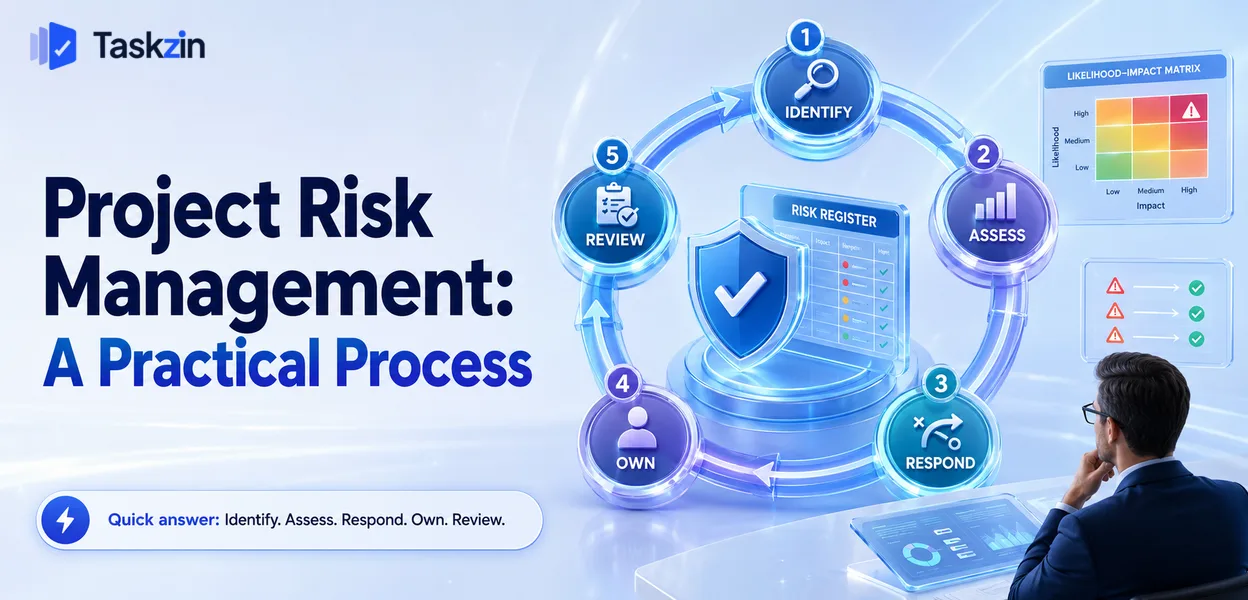
Project Risk Management: A Practical Process
A practical guide to project risk management, covering the difference between risks and issues, a five-step process, how to identify and write risks properly, assessing and responding to them, and keeping the register useful.
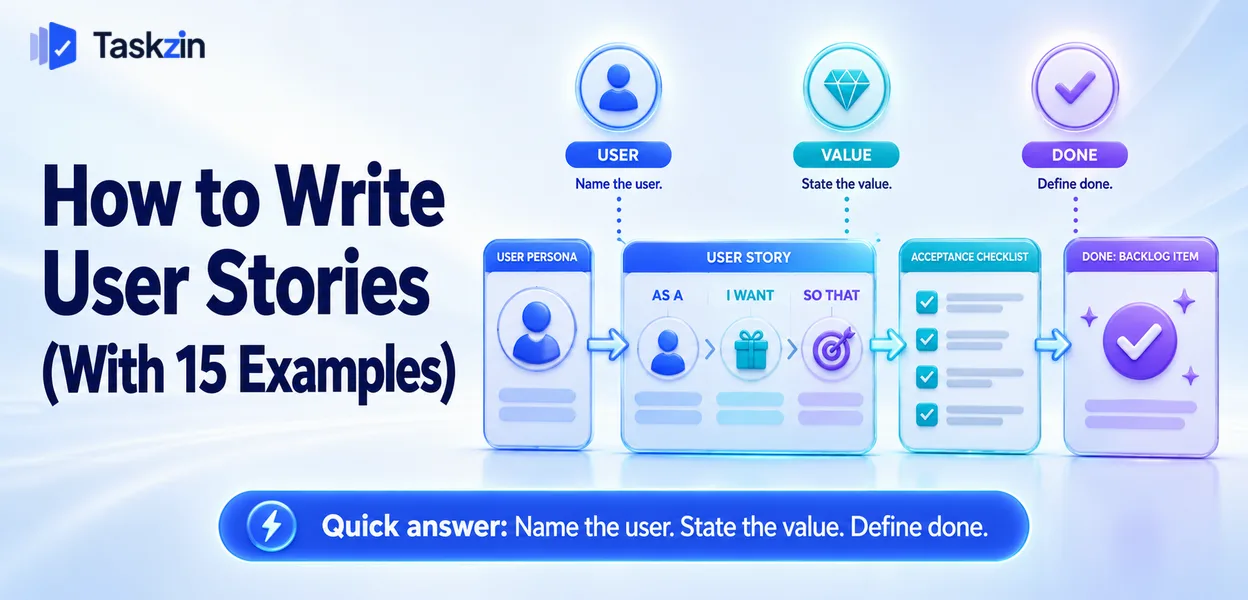
How to Write User Stories (With 15 Examples)
A practical guide to writing user stories, covering what a story is for, fifteen worked examples across different contexts, writing observable acceptance criteria, the INVEST quality test, six splitting patterns, and common mistakes.
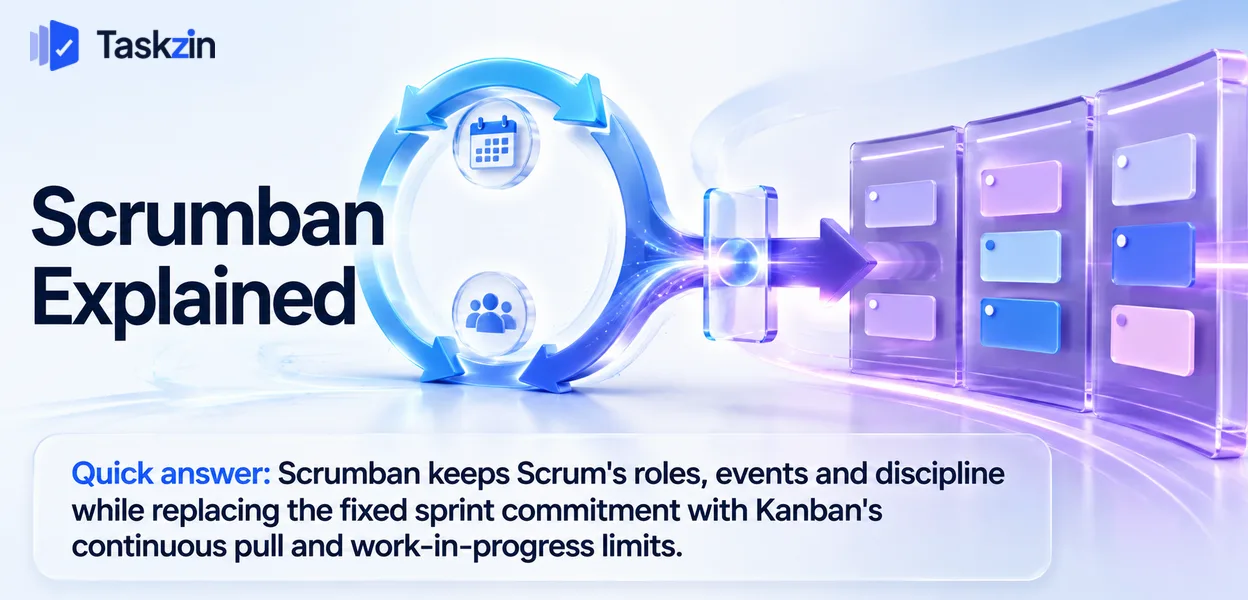
Scrumban Explained
A clear explanation of Scrumban, covering what it keeps from Scrum and Kanban, how planning and load control work in practice, who it suits, how to set it up, and the mistakes that make it a euphemism for dropping discipline.

Agile vs Waterfall: Which One Fits Your Project?
A practical comparison of agile and waterfall, covering the real difference between predictive and adaptive delivery, four questions that decide the choice, where each approach genuinely fits, and the mistakes teams make deciding.
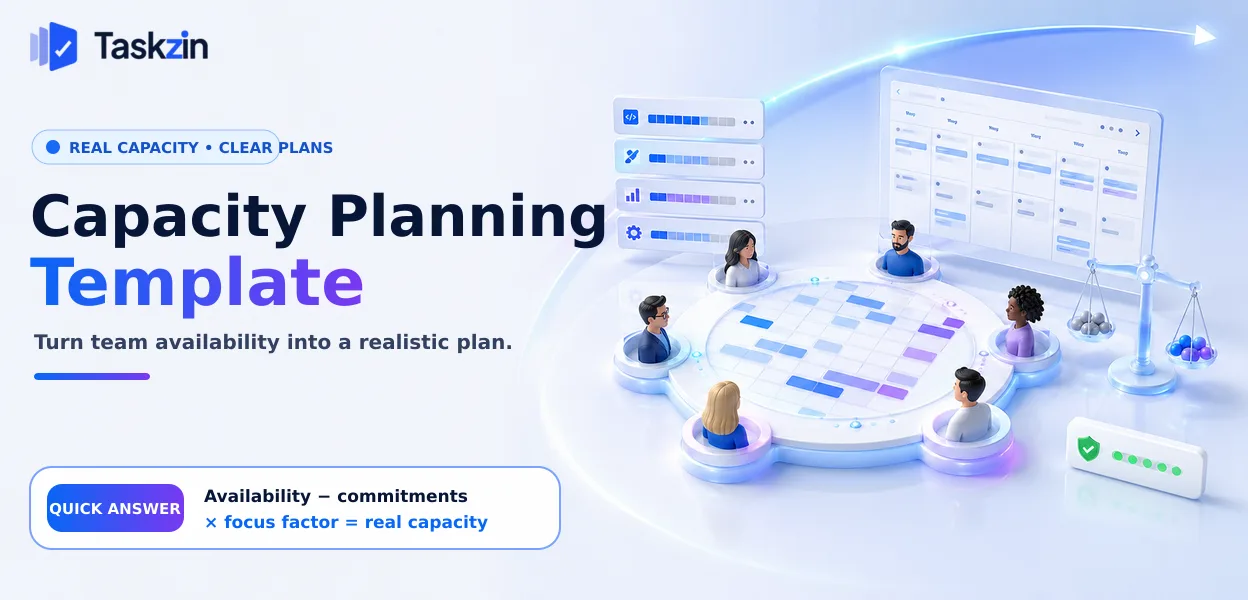
Capacity Planning Template
A capacity planning template with a worked example, covering what capacity planning answers, how to fill in each column, finding your team's real focus factor, using the plan week to week, and common mistakes.
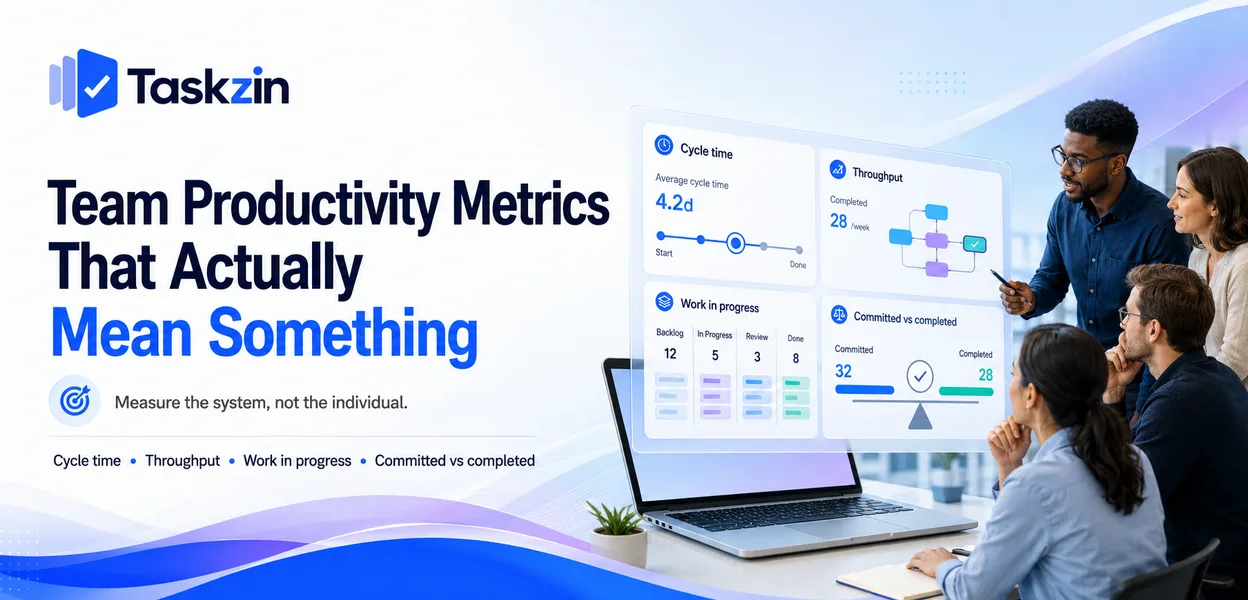
Team Productivity Metrics That Actually Mean Something
A guide to team productivity metrics, covering why most fail, the four that describe delivery honestly and resist gaming, the metrics to avoid, how to collect data safely, and common measurement mistakes.
Project Management Trends Worth Paying Attention To
An evidence-filtered look at project management trends, covering how to tell a real shift from marketing, the structural and practice changes worth planning for, what AI has genuinely delivered, and which trends can safely be ignored.
A Practical Guide to Async Communication
A practical guide to asynchronous communication, covering what async actually means, what belongs async versus synchronous, writing messages people can act on, setting response time expectations, and making decisions asynchronously.
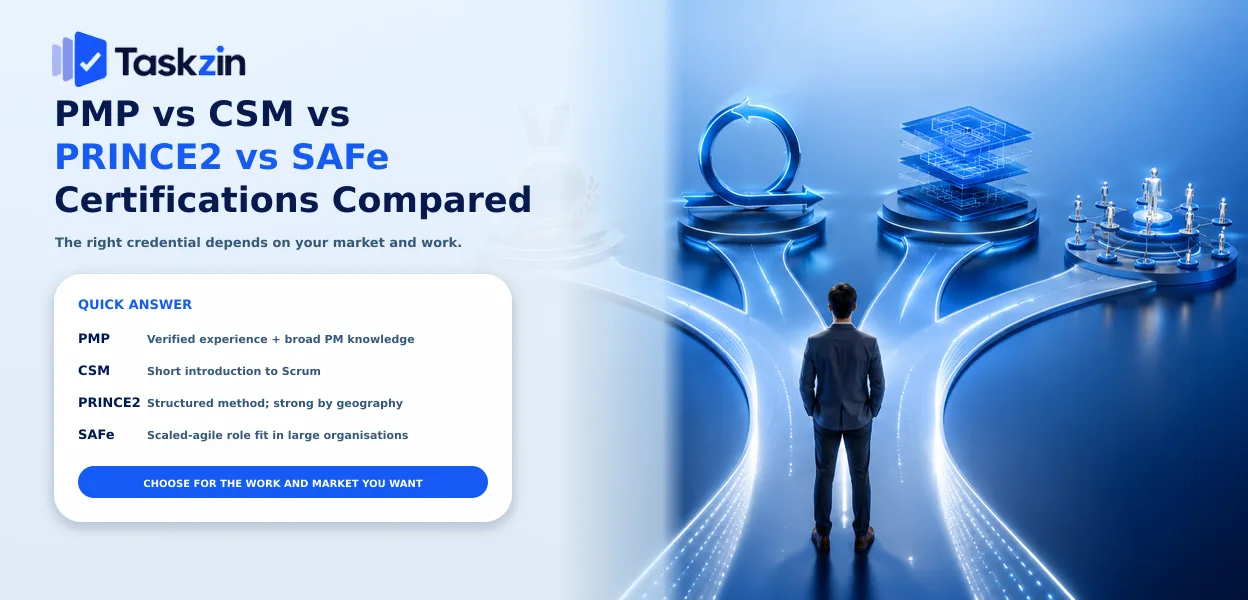
PMP vs CSM vs PRINCE2 vs SAFe: Certifications Compared
A comparison of the major project management certifications, covering what PMP, CSM, PRINCE2 and SAFe each signal to employers, their prerequisites and geographic recognition, how to choose for your market, and common mistakes.

AI in Project Management: What It Can and Can't Do Yet
An honest assessment of AI in project management, covering where it genuinely helps today, where it falls short and why, the practical applications worth adopting now, how to evaluate AI features, and common mistakes.
What Is Backlog Grooming (Refinement)?
A plain-English explanation of backlog grooming and refinement, covering the four things refinement does, how a session runs, what readiness means, how far ahead to refine, story splitting patterns, and common mistakes.
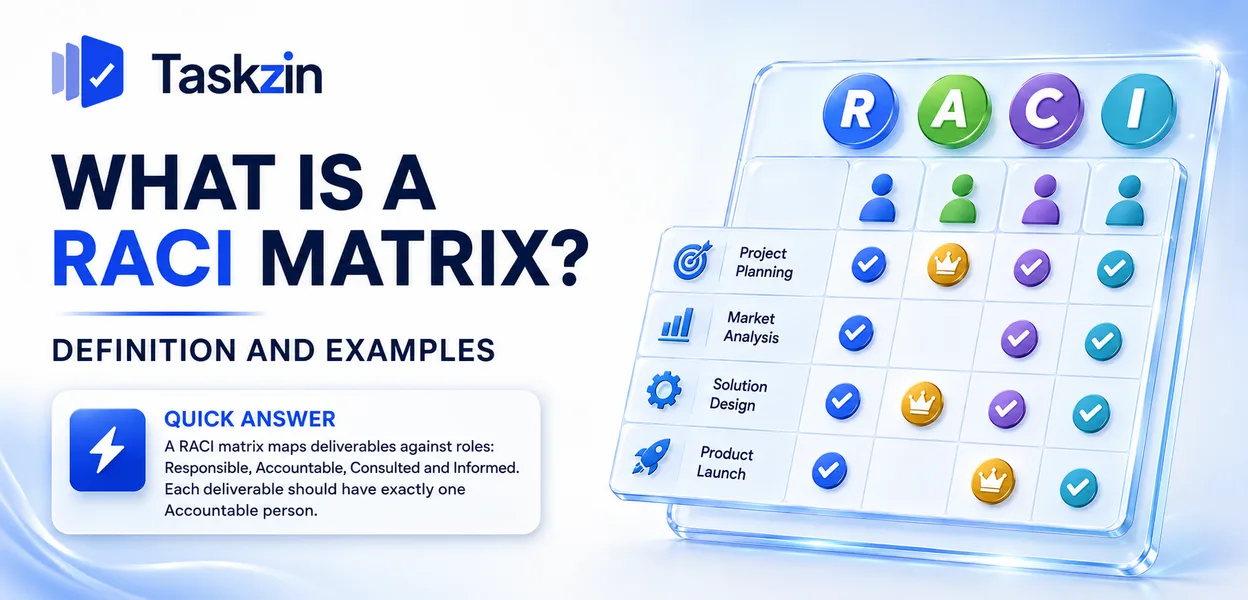
What Is a RACI Matrix? Definition and Examples
A plain-English explanation of the RACI matrix, covering what the four roles mean, a worked project example, how to build one step by step, how to read a completed matrix for organisational problems, the main variants, and when it is unnecessary.
What Is the Critical Path Method?
A plain-English explanation of the critical path method, covering what the critical path is and what float means, the four-step calculation, a worked example, what the path tells you, how it compares to critical chain, and its limitations.
How to Run a Retrospective People Don't Dread
A practical guide to running retrospectives people find worthwhile, covering why they go stale, eight formats compared, the underlying structure that makes any format work, how to create psychological safety, and common mistakes.
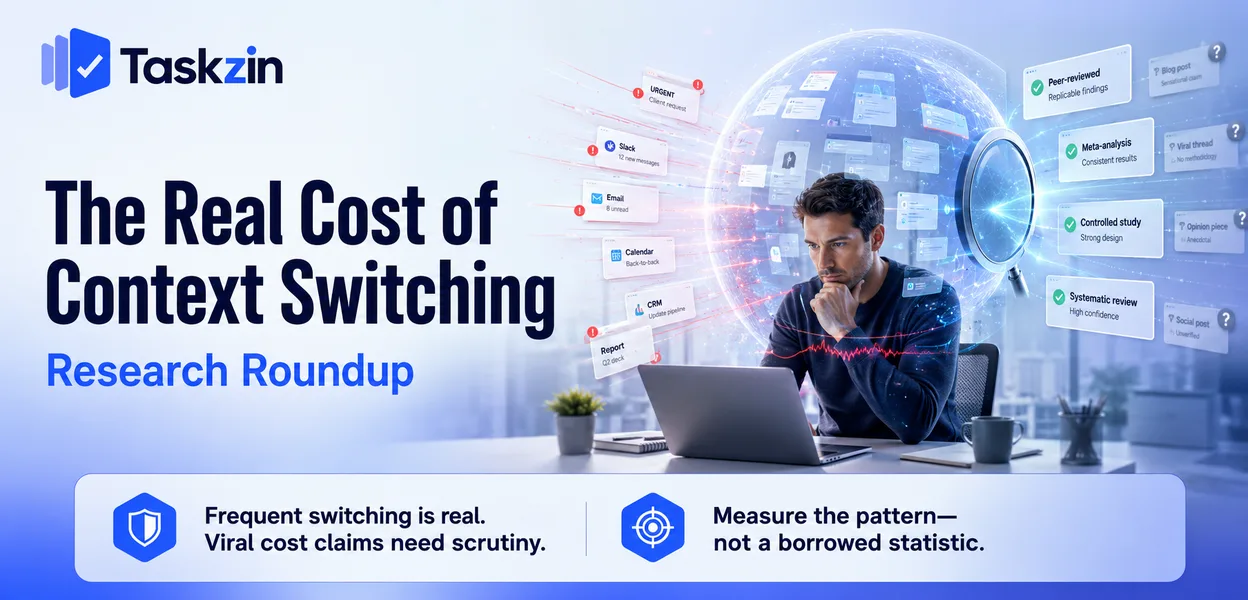
The Real Cost of Context Switching: Research Roundup
An evidence-based roundup of context switching research, covering the findings that hold up, the widely circulated figures that do not, why switching costs more than the time it appears to take, and how to measure the effect in your own team.
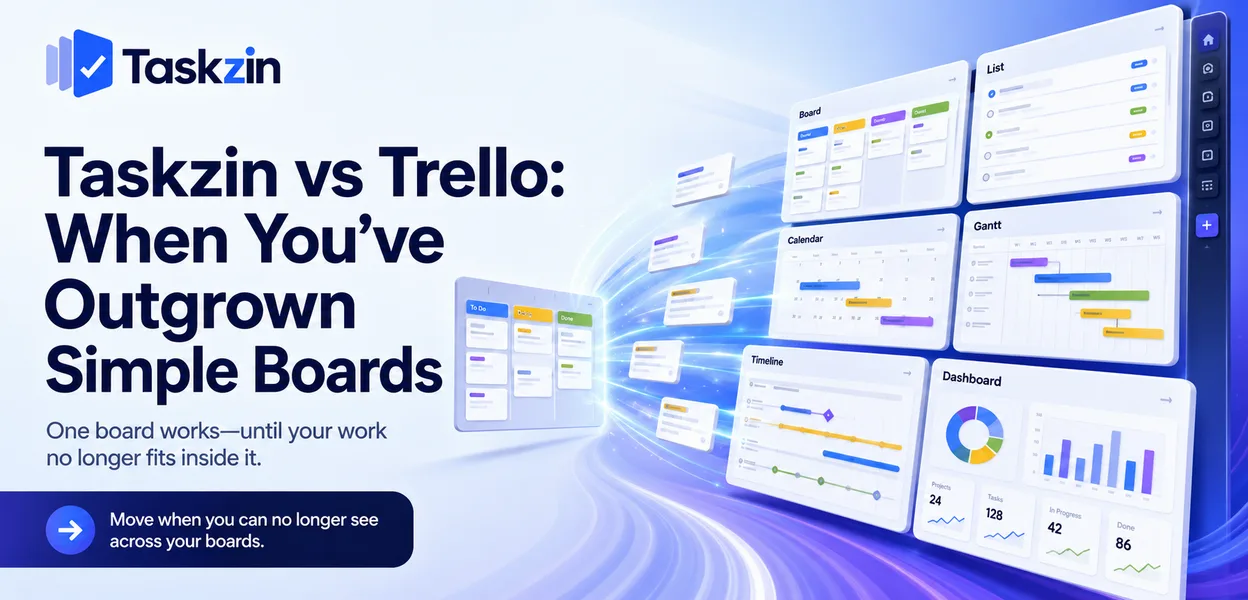
Taskzin vs Trello: When You've Outgrown Simple Boards
A comparison of Taskzin and Trello for teams considering a move, covering the signals you have outgrown a single board, what changes and what stays the same, the true cost comparison including power-ups, where Trello still wins, and migration.
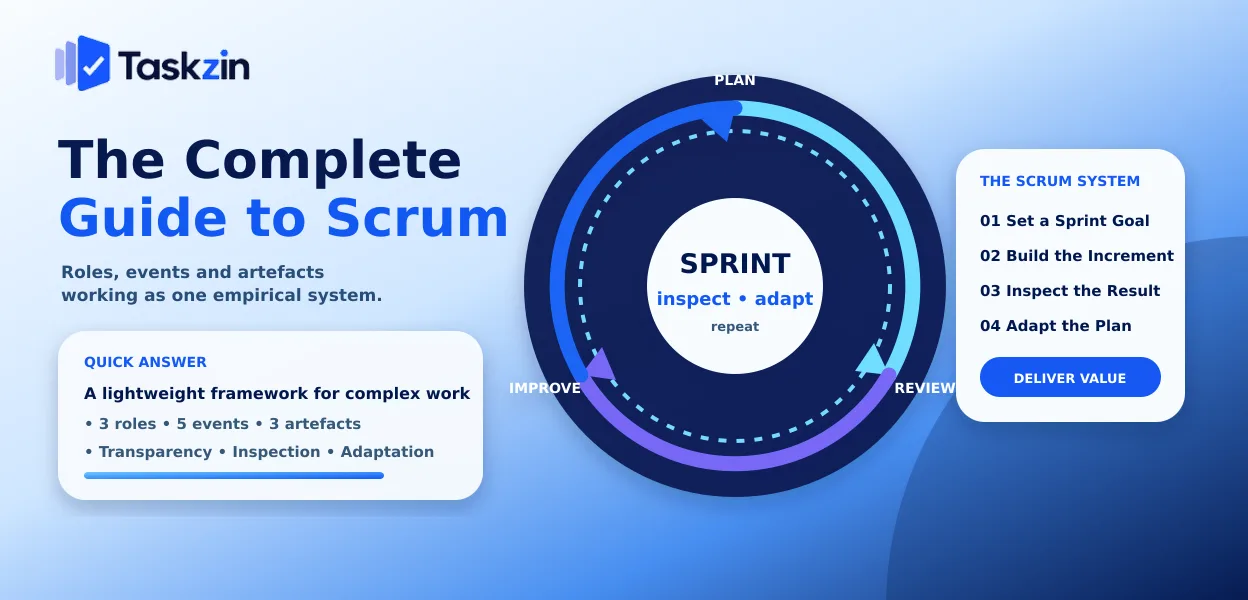
The Complete Guide to Scrum
A comprehensive guide to Scrum, covering what the framework is and deliberately leaves out, its roles, events and artefacts, how a sprint runs from planning to retrospective, the practices that make it work, and common failures.
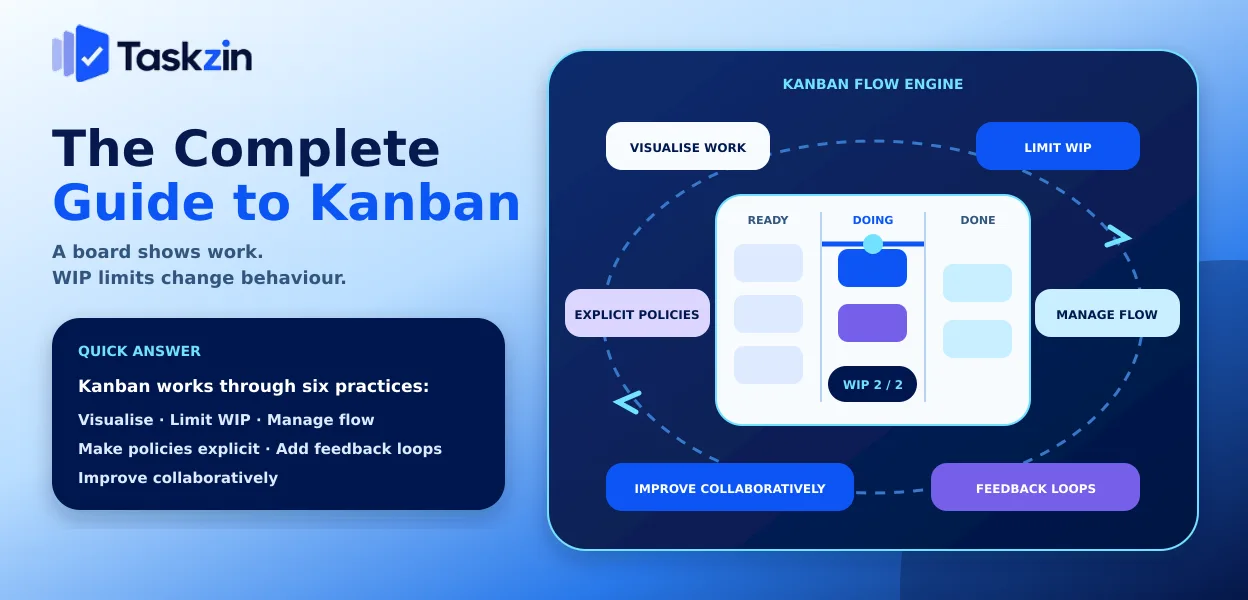
The Complete Guide to Kanban
A comprehensive guide to Kanban, covering the six core practices, how it compares to Scrum, setting up a system with real workflow mapping and WIP limits, managing flow and bottlenecks, the essential metrics, and common mistakes.
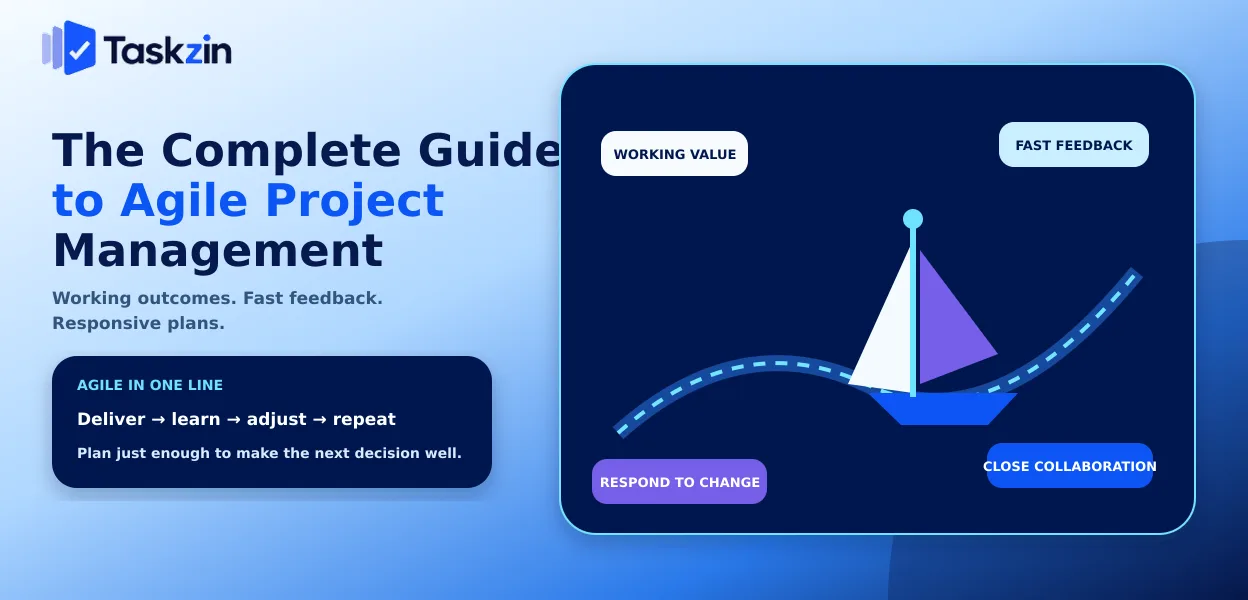
The Complete Guide to Agile Project Management
A comprehensive guide to agile project management, covering the underlying values, how Scrum, Kanban, XP and scaling frameworks differ, how delivery works in practice, honest adoption, useful metrics, and where agile genuinely does not fit.

What Is Scope Creep and How Do You Prevent It?
A plain-English explanation of scope creep, covering the definition and how it differs from scope change, the common sources, the real cost of small additions, four preventive controls, how to handle a request, and when scope should legitimately change.
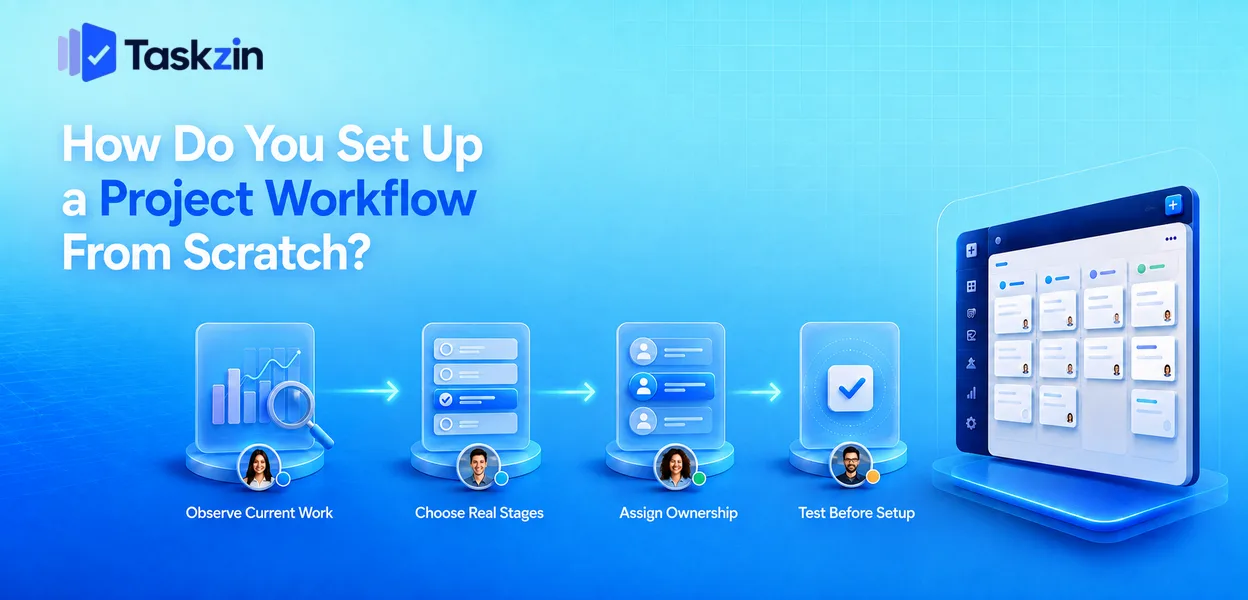
How Do You Set Up a Project Workflow From Scratch?
A practical guide to setting up a project workflow from scratch, covering how to observe existing work patterns, choose and name stages, assign ownership and entry rules, test manually before configuring, and common setup mistakes.
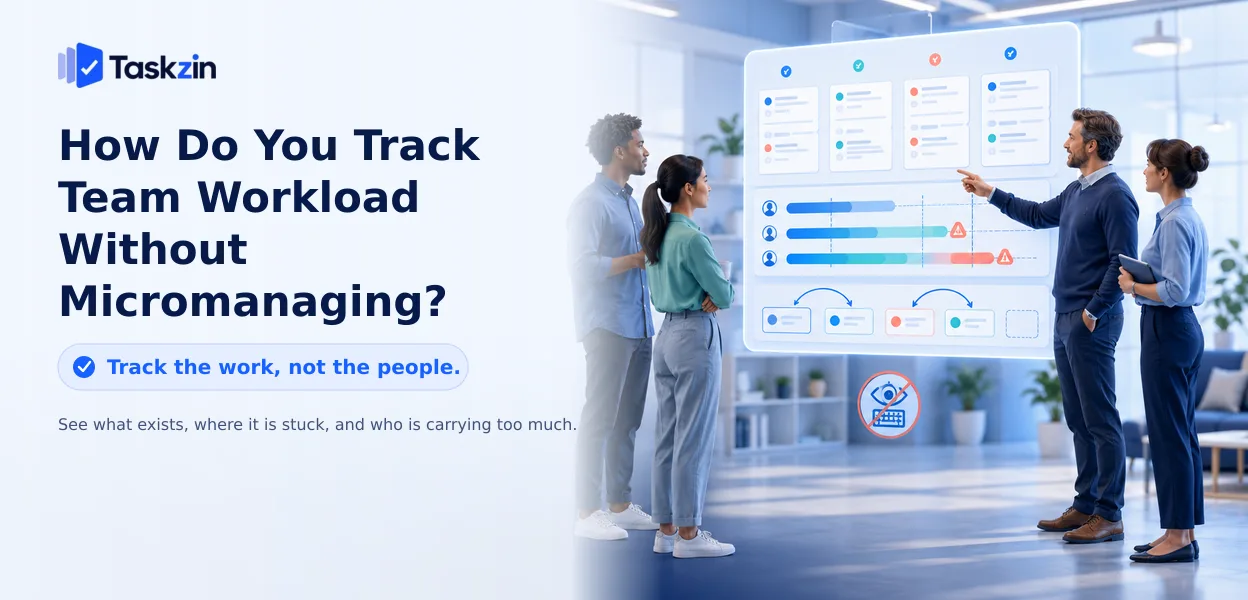
How Do You Track Team Workload Without Micromanaging?
A practical guide to tracking team workload without micromanaging, covering where the line sits between visibility and surveillance, what to measure instead of activity, setting up shared visibility, and how to respond when someone is overloaded.
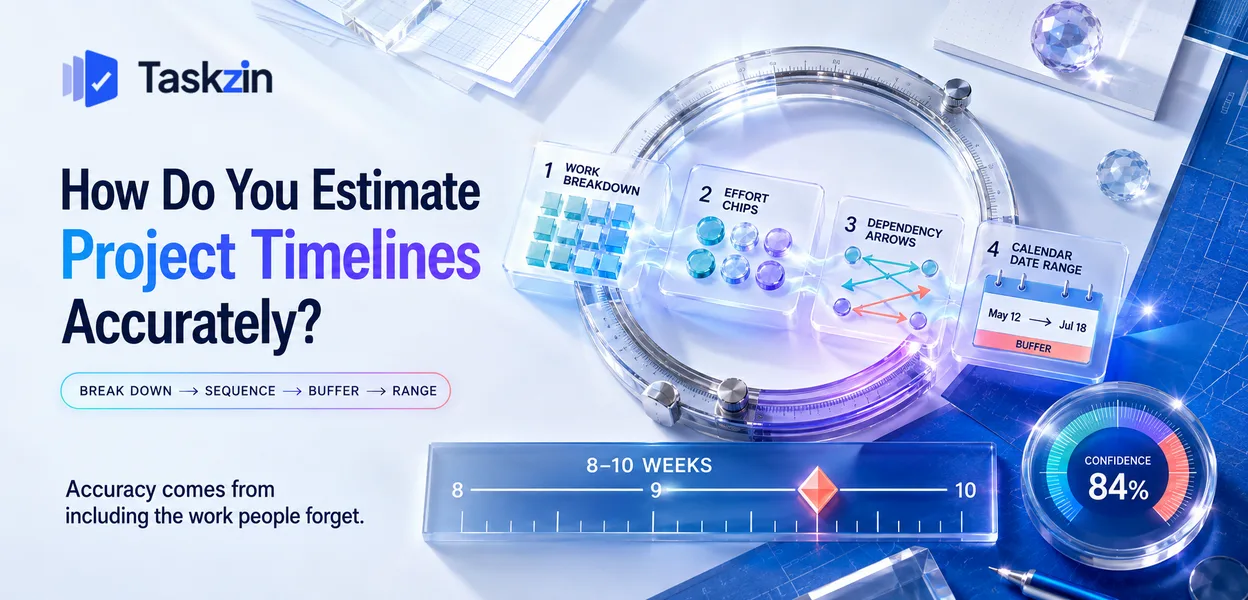
How Do You Estimate Project Timelines Accurately?
A practical guide to estimating project timelines, covering why estimates are systematically optimistic, five estimation approaches compared, a working method including the work people forget, converting effort into dates, and communicating estimates honestly.
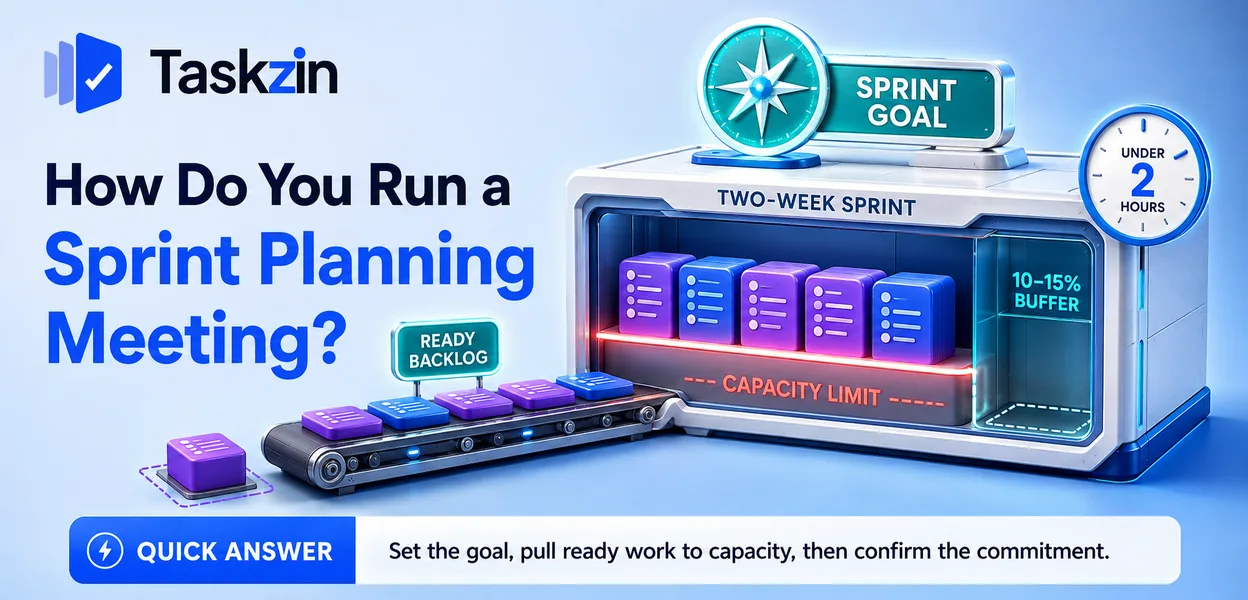
How Do You Run a Sprint Planning Meeting?
A practical guide to running sprint planning, covering what the meeting produces, the preparation that keeps it short, a working agenda, how to set the sprint goal and commit to capacity, and common mistakes.
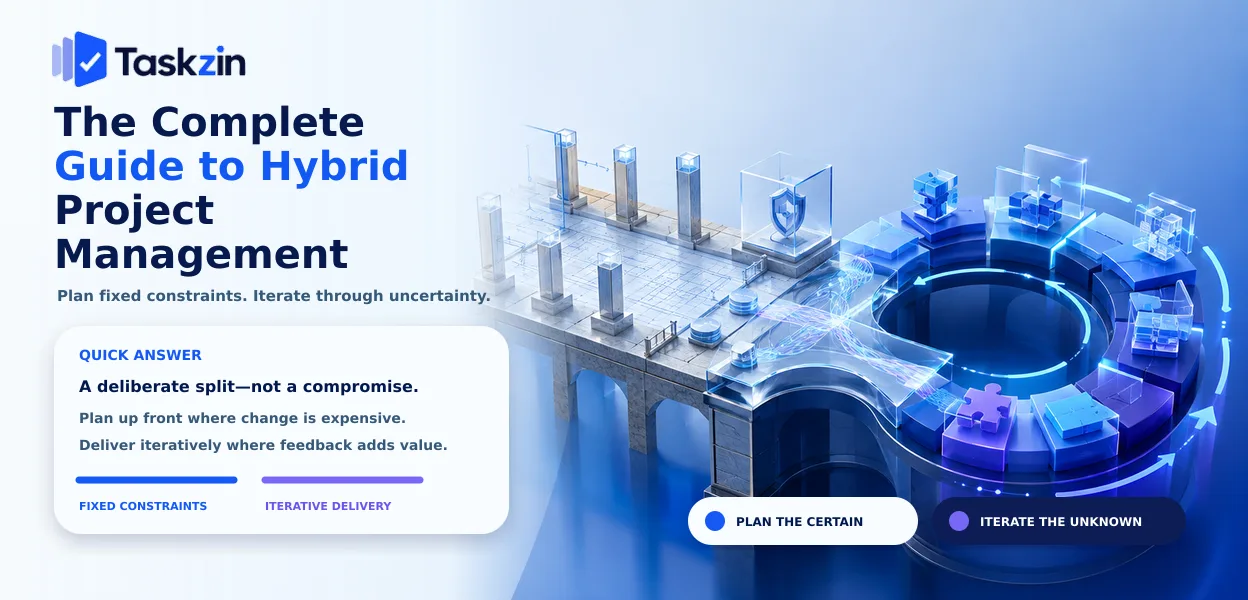
The Complete Guide to Hybrid Project Management
A comprehensive guide to hybrid project management, covering what hybrid genuinely means, three common patterns, how to split work by uncertainty rather than by team, designing the interface between approaches, governance, and common mistakes.

What Are Story Points and How Do You Estimate Them?
A clear explanation of story points, covering what they represent, what each value on the scale means, how to estimate by comparison with reference stories, how to keep the scale stable, and when to stop using them.
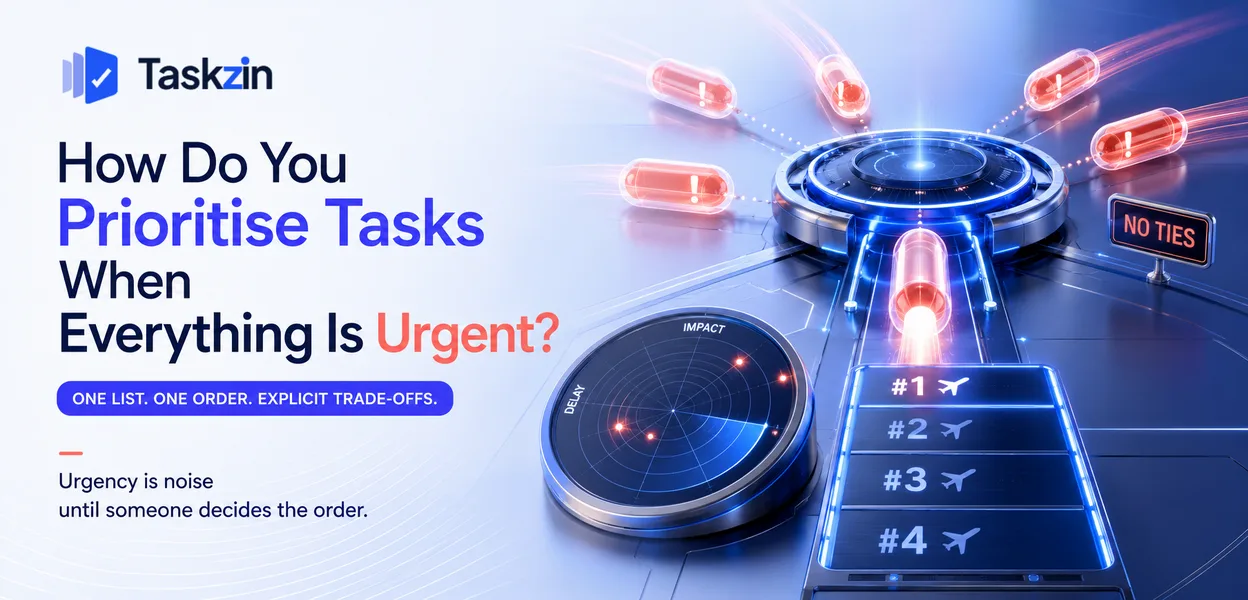
How Do You Prioritise Tasks When Everything Is Urgent?
A practical guide to prioritising when everything is marked urgent, covering why urgency inflates, four methods for forcing a ranking, separating urgent from important, and how to handle the trade-off conversation.
Does a 5-Person Team Need Project Management Software?
An honest look at whether a five-person team needs project management software, covering why the threshold is work shape rather than headcount, the signals that you have outgrown informal coordination, what small teams actually need, and what they can ignore.
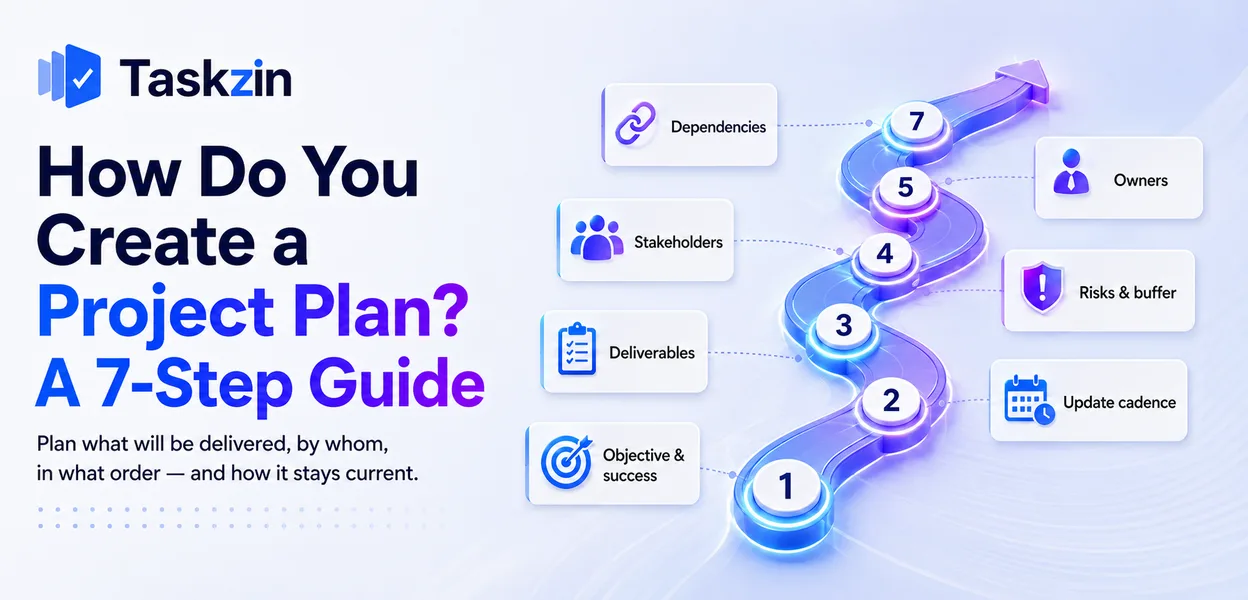
How Do You Create a Project Plan? A 7-Step Guide
A step-by-step guide to creating a project plan, covering what a plan must answer, defining the work, building the schedule with dependencies and owners, adding risk buffer correctly, and keeping the plan current.
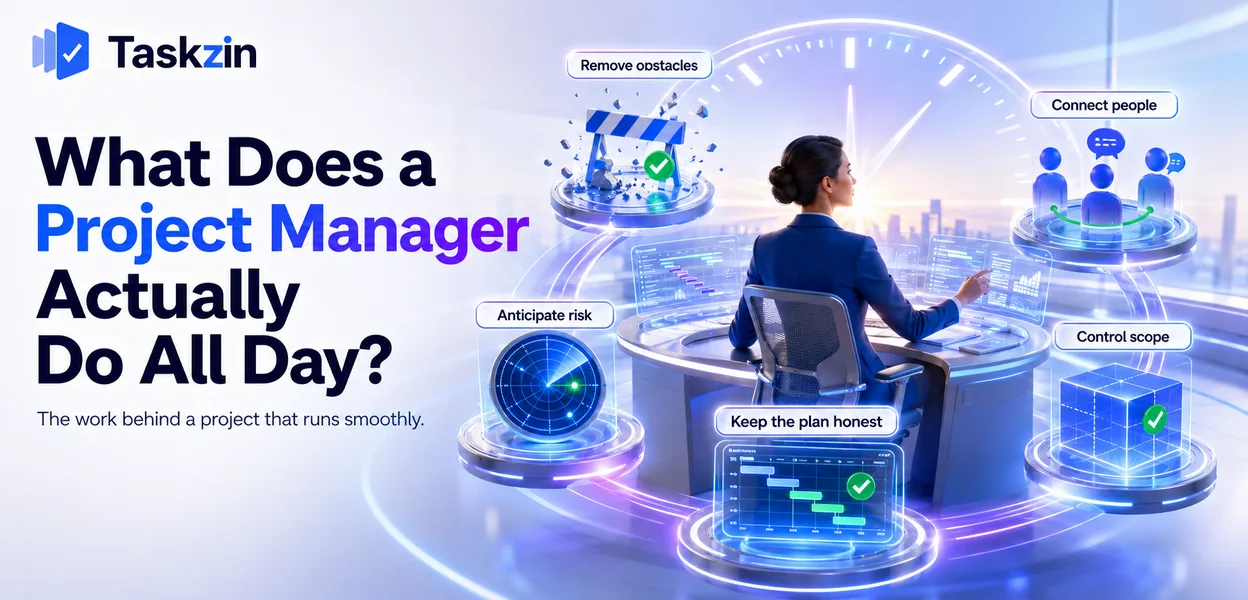
What Does a Project Manager Actually Do All Day?
A realistic explanation of what project managers do day to day, covering the five core activities, a typical daily schedule, how the role changes across project phases, what it excludes, and common misconceptions.
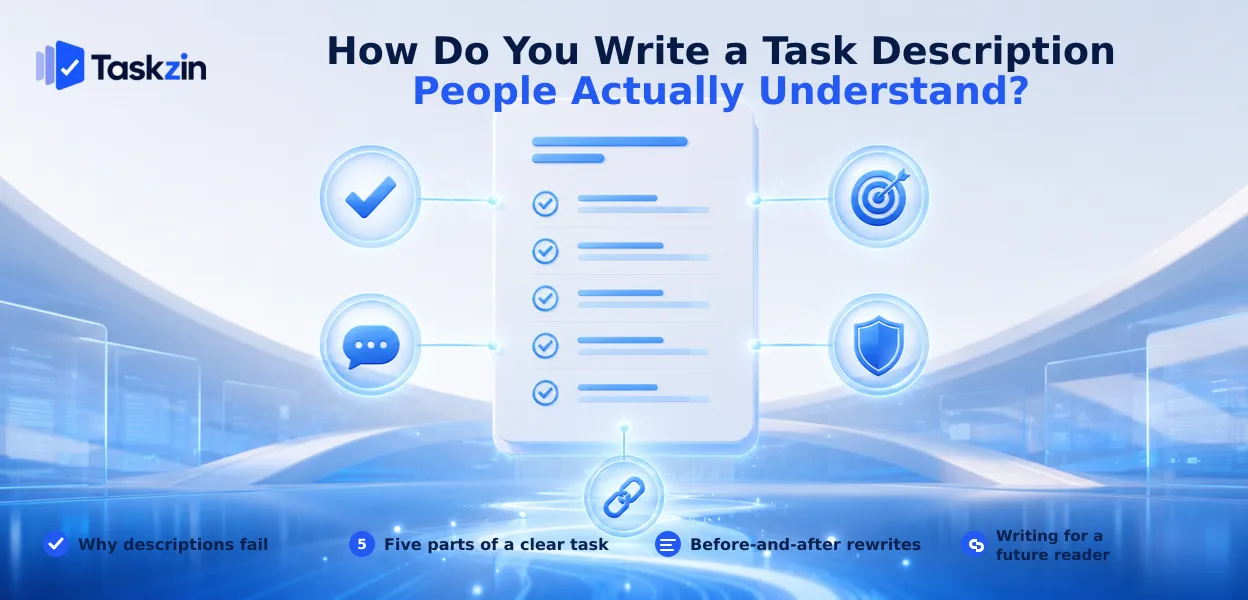
How Do You Write a Task Description People Actually Understand?
A practical guide to writing task descriptions people can act on, covering why most fail, the five parts of a clear task, worked before-and-after rewrites for requests, bugs and briefs, and common mistakes.
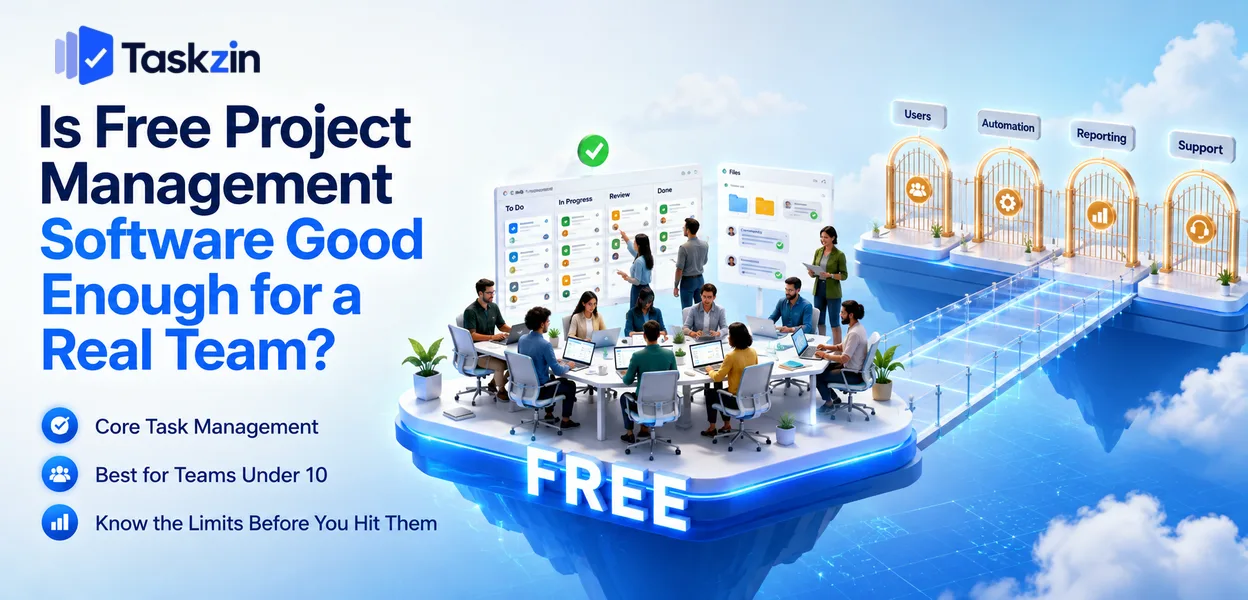
Is Free Project Management Software Good Enough for a Real Team?
An honest assessment of whether free project management software is sufficient for a working team, covering what free plans genuinely include, who they suit, the four limits teams eventually hit, and how to prepare for the upgrade.
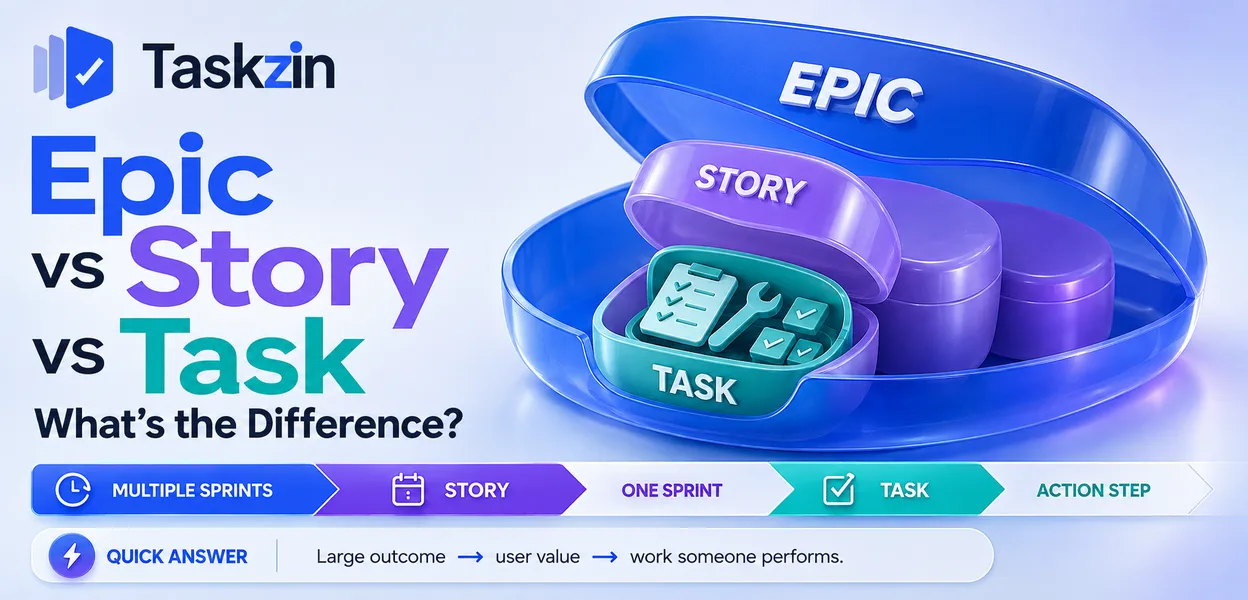
Epic vs Story vs Task: What's the Difference?
A clear explanation of the epic, story and task hierarchy, covering what each level means, three tests to classify work correctly, where themes and subtasks fit, how to split work between levels, and common mistakes.
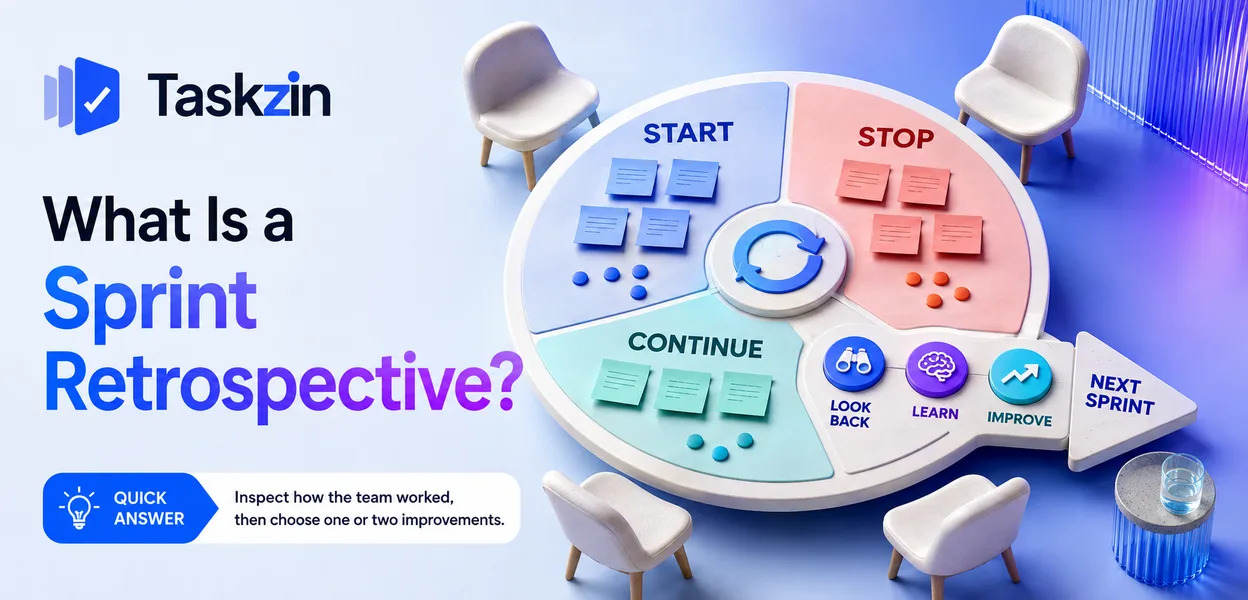
What Is a Sprint Retrospective?
A clear explanation of the sprint retrospective, covering its purpose as process inspection, the five-stage structure, how it differs from the sprint review, the conditions that make it work, and common mistakes.
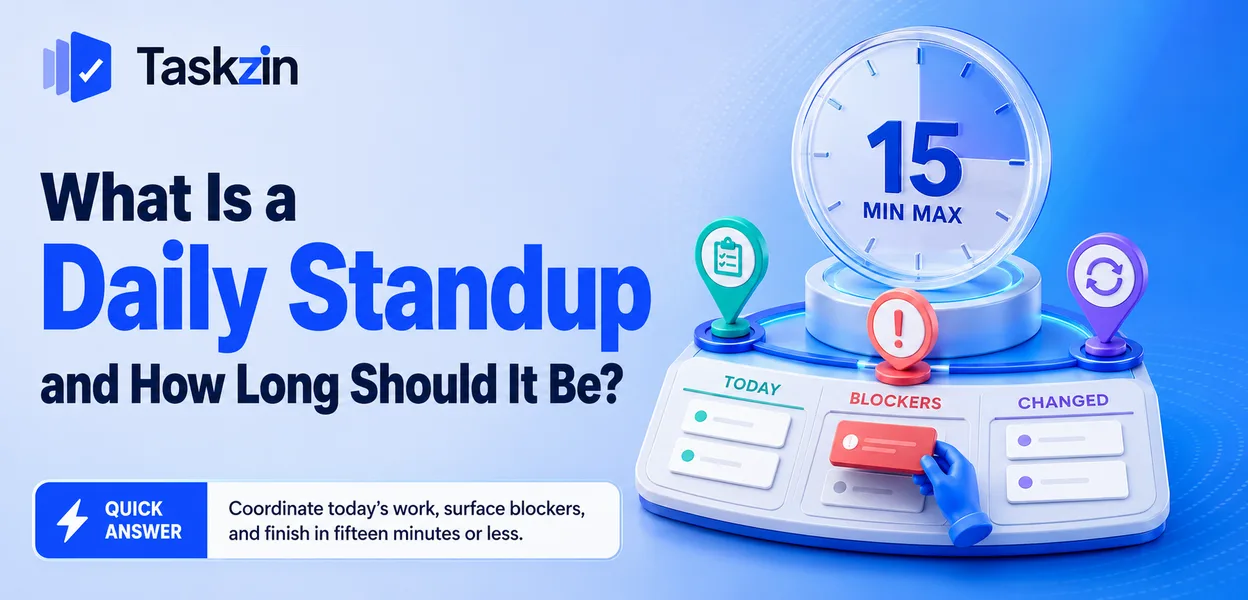
What Is a Daily Standup and How Long Should It Be?
A clear explanation of the daily standup, covering its purpose as coordination rather than reporting, the formats available, how to run one worth attending, async options for distributed teams, and common mistakes.
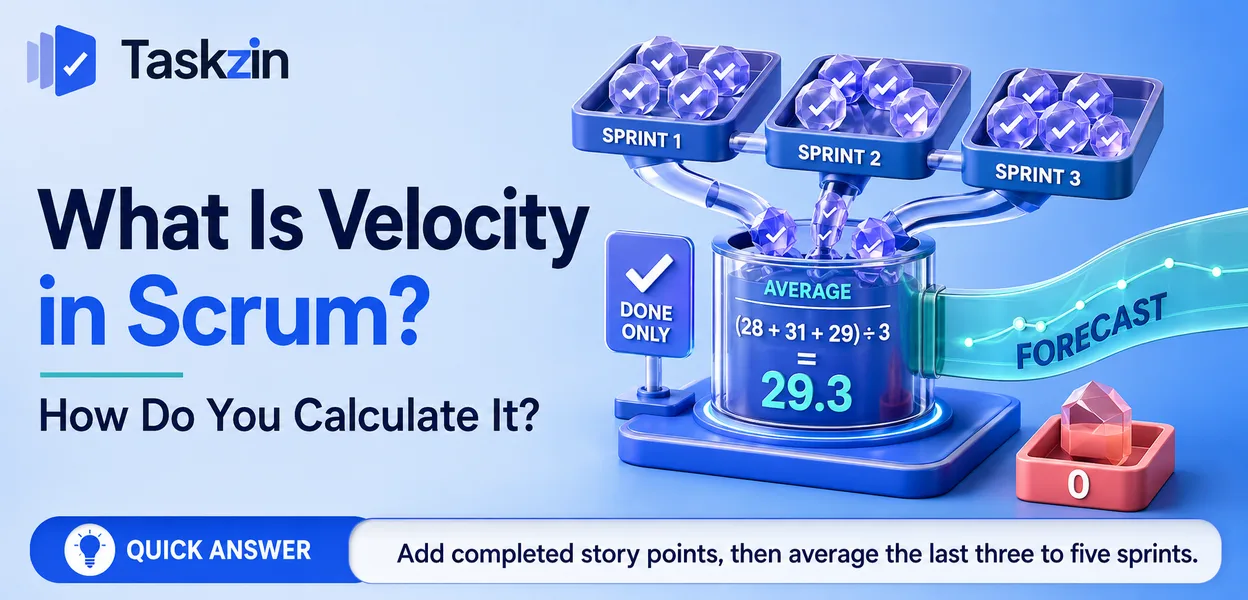
What Is Velocity in Scrum and How Do You Calculate It?
A clear explanation of velocity in Scrum, covering what it measures, how to calculate it with a worked example, how to use it for range forecasting, what makes it unstable, and why it is so often misused.
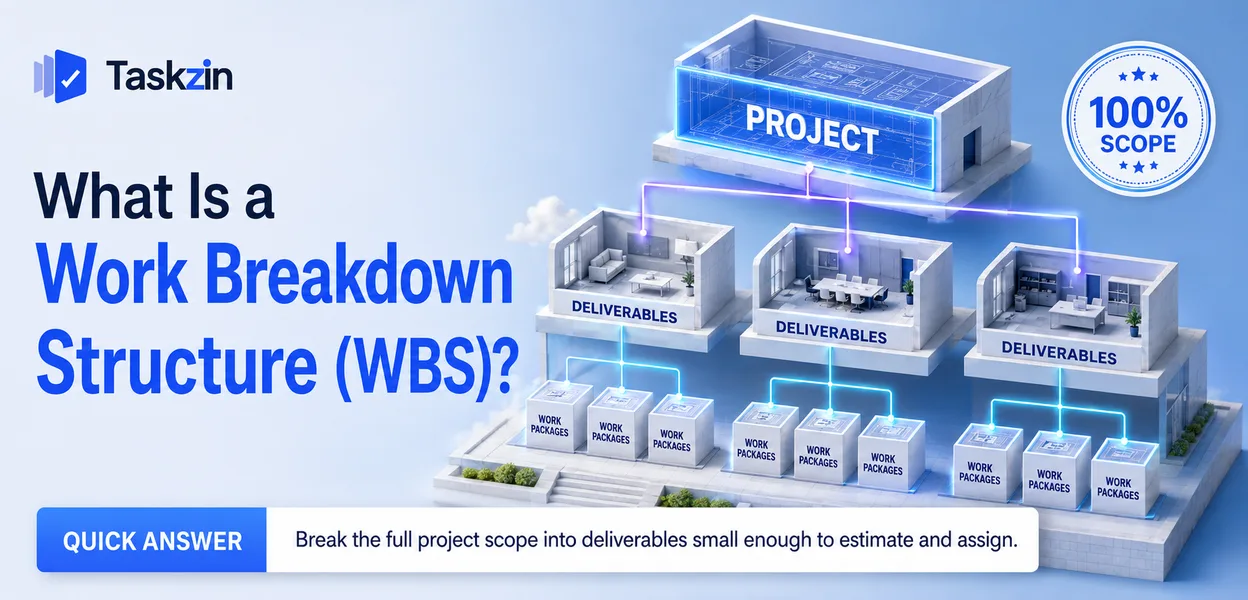
What Is a Work Breakdown Structure (WBS)?
A clear explanation of the work breakdown structure, covering why it is deliverable-based, the 100 percent rule, how to decompose a project into work packages, the available formats, and how the WBS is used after planning.
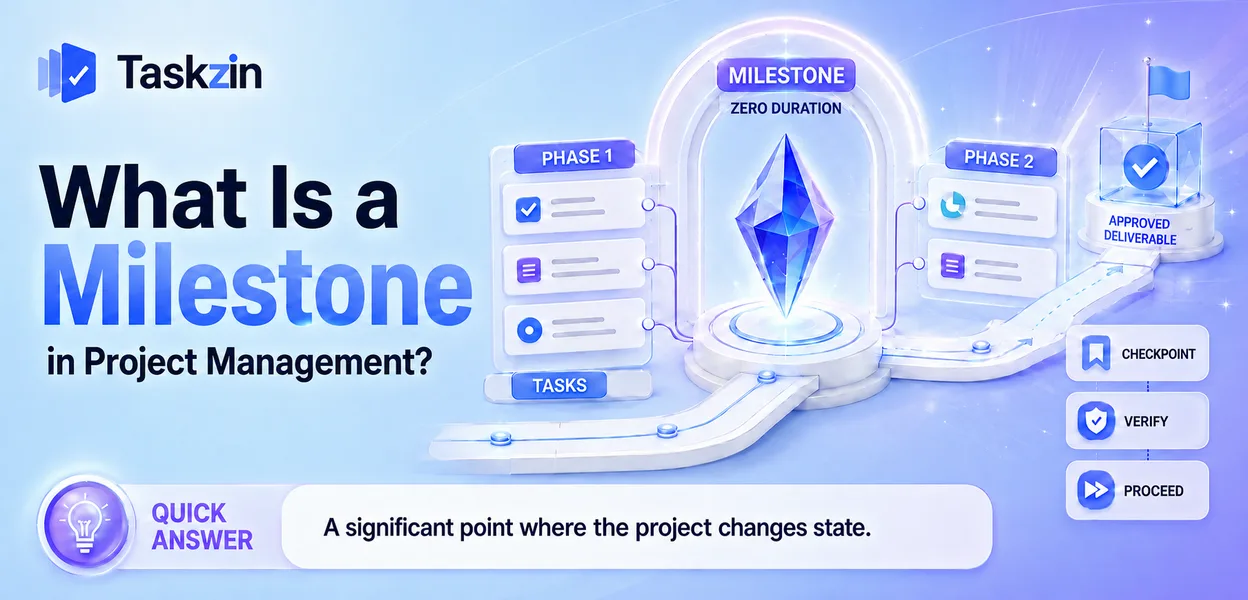
What Is a Milestone in Project Management?
A clear explanation of project milestones, covering what they are and are not, the types of milestone, what makes a good one, how many a project needs, and how to use them for early warning and reporting.
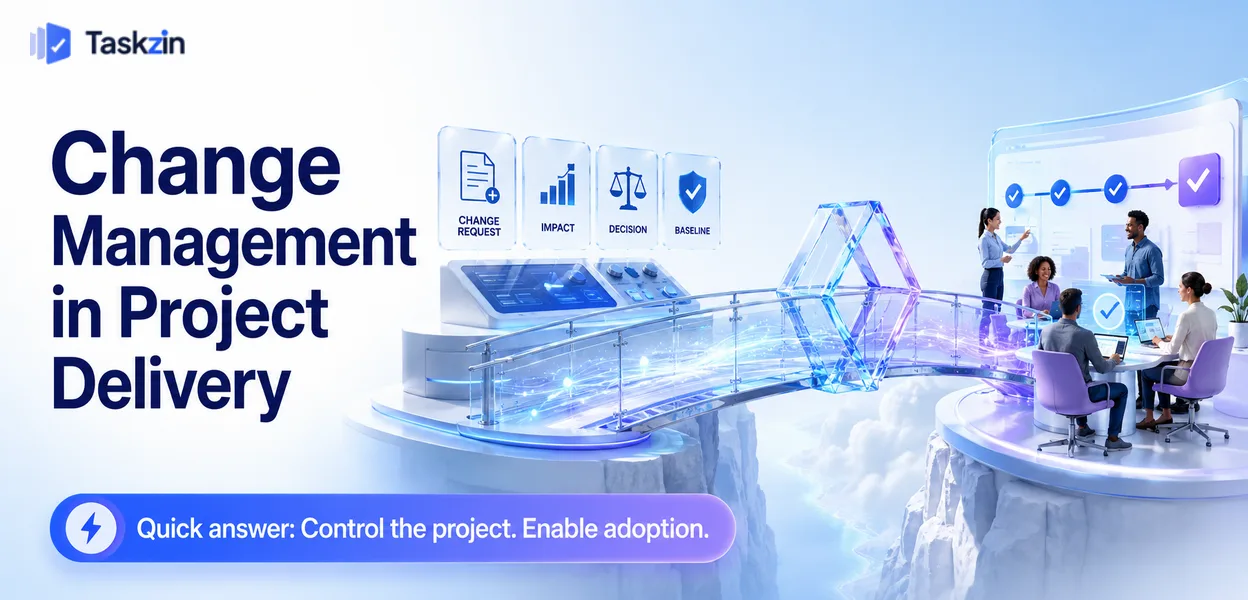
Change Management in Project Delivery
A practical guide to change management in project delivery, covering the difference between change control and organisational change, a workable change control process, helping people adopt the change, and how to measure whether it landed.
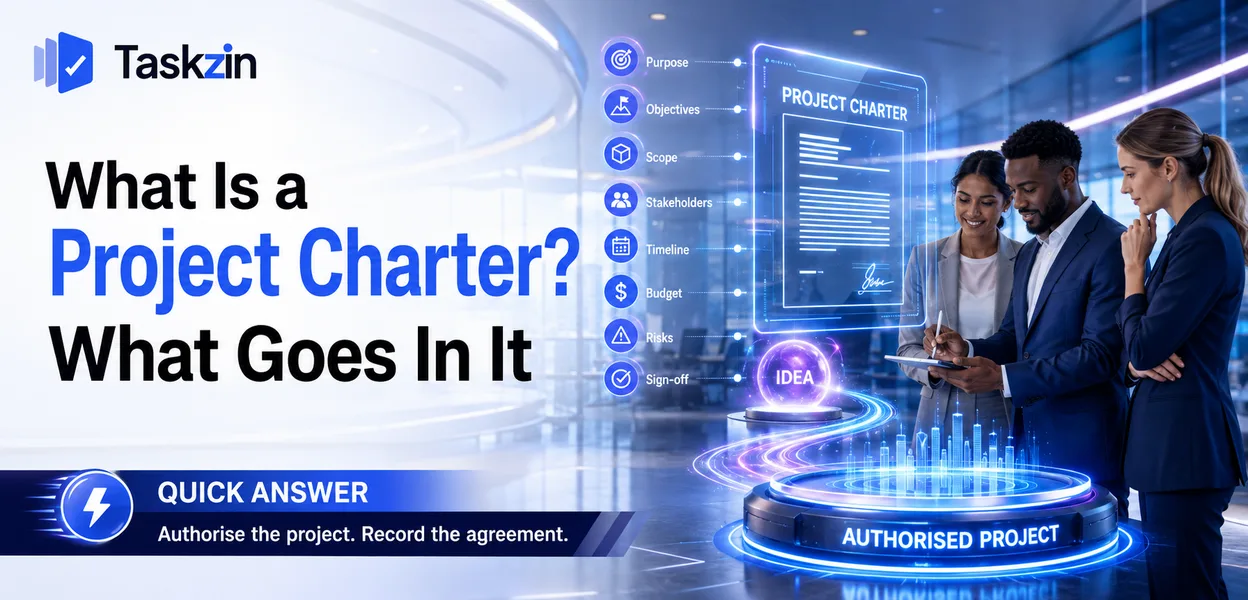
What Is a Project Charter and What Goes In It?
A clear explanation of the project charter, covering what it authorises and records, the eight sections it contains, how to write one people use, and the mistakes that make charters pointless.
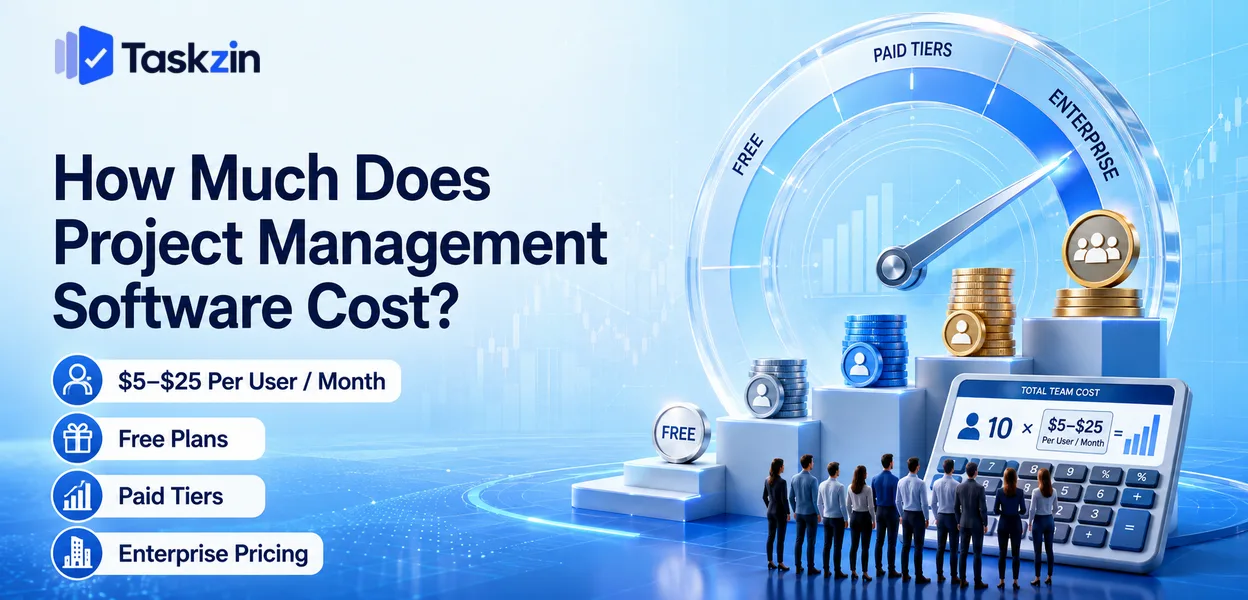
How Much Does Project Management Software Cost?
A practical guide to project management software costs, covering typical per-user ranges, the four pricing models, hidden costs such as guest seats and tier gating, how to calculate your real total, and when upgrading is justified.
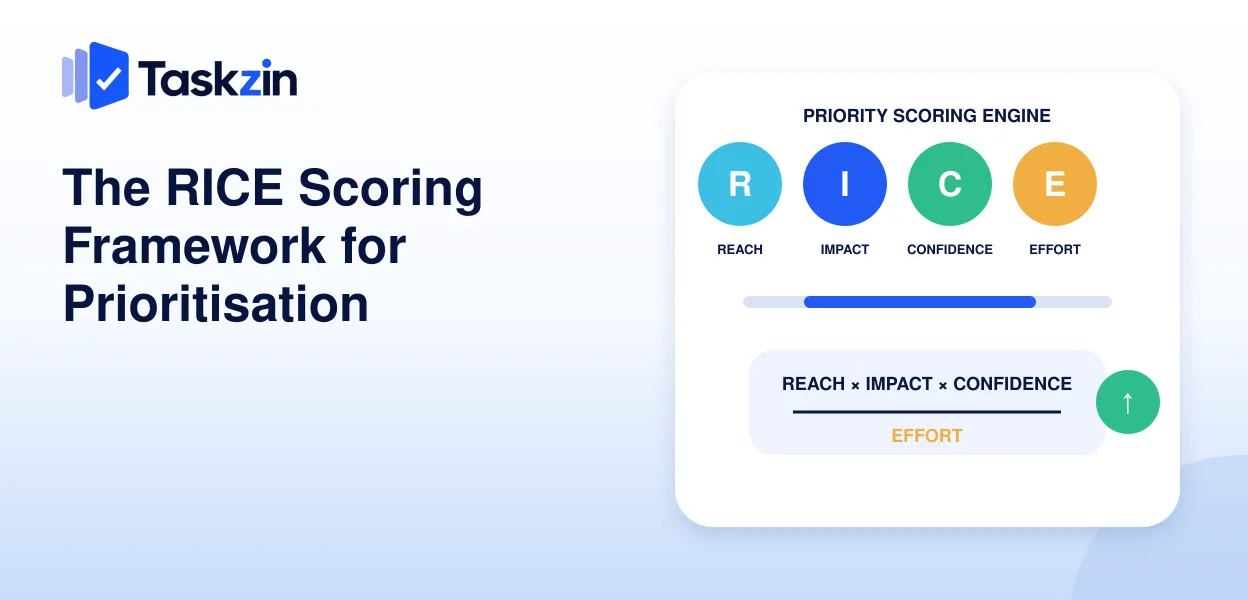
The RICE Scoring Framework for Prioritisation
A practical explanation of the RICE scoring framework, covering what each factor measures, the formula with a worked numeric example, how to score consistently across a team, how to read the results, and where the framework breaks down.
Taskzin vs Jira: Which Project Management Tool Fits Your Team?
A balanced comparison of Taskzin and Jira, covering the fundamental difference between engineering depth and whole-team breadth, where each genuinely wins, how the agile features compare honestly, what migration moves and what it does not, and how to choose.
Taskzin vs Linear: Issue Tracking for Product Teams Compared
A comparison of Taskzin and Linear for product teams, covering the difference between engineering-only depth and a whole-team workspace, where each genuinely wins, how cycles compare to sprints, pricing and guest access, and how to choose.
PRINCE2 Explained in Plain English
A plain-English explanation of PRINCE2, covering what the method is and excludes, its seven principles, themes and processes, how a project runs stage by stage, management by exception, and common mistakes.
Taskzin vs Notion: Workspace vs Purpose-Built Project Tool
A comparison of Taskzin and Notion, covering the difference between a construction kit and a built system, the three structural gaps in Notion as a project tracker, what Notion does better, how Taskzin handles documentation, and when running both is right.
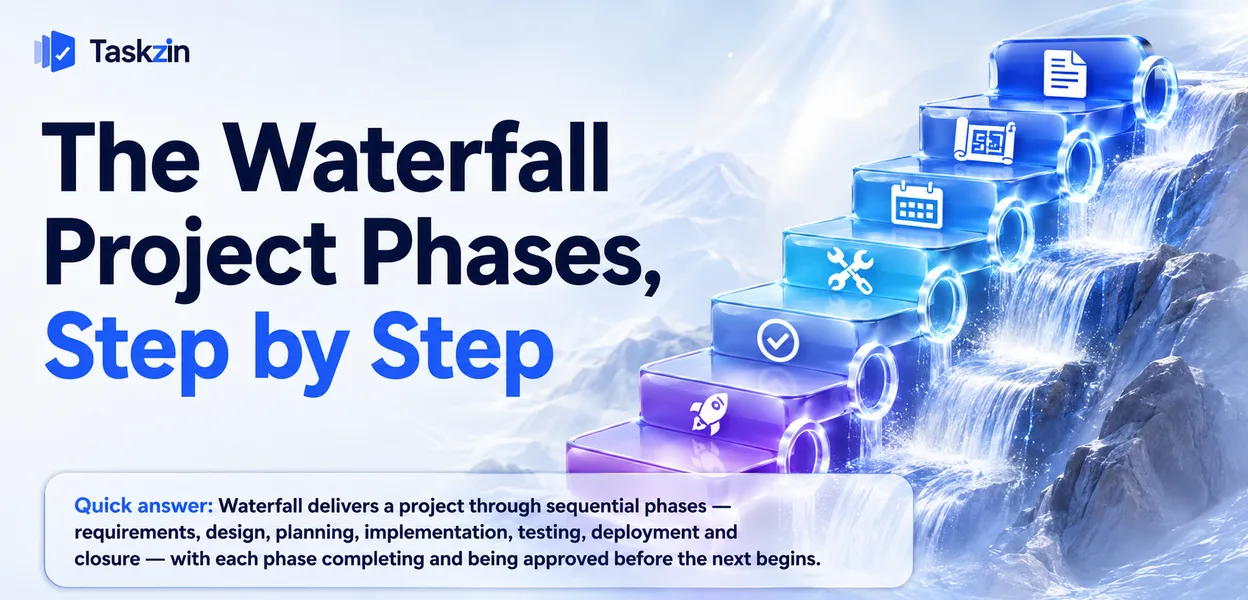
The Waterfall Project Phases, Step by Step
A step-by-step guide to the waterfall project phases, covering how the model is structured, what each of the seven phases produces, the closure activities teams skip, and three practices that improve outcomes within the model.
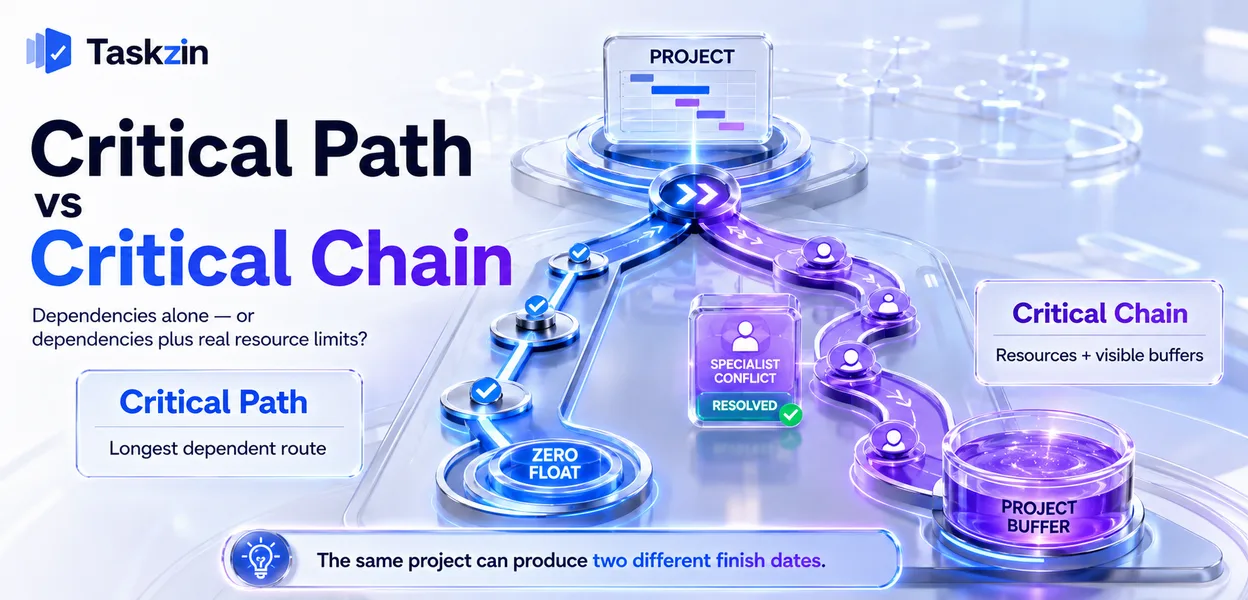
Critical Path vs Critical Chain
A clear comparison of critical path and critical chain methods, covering how each identifies the project constraint, why resource contention changes the answer, how buffers work in critical chain, and which method fits which project.
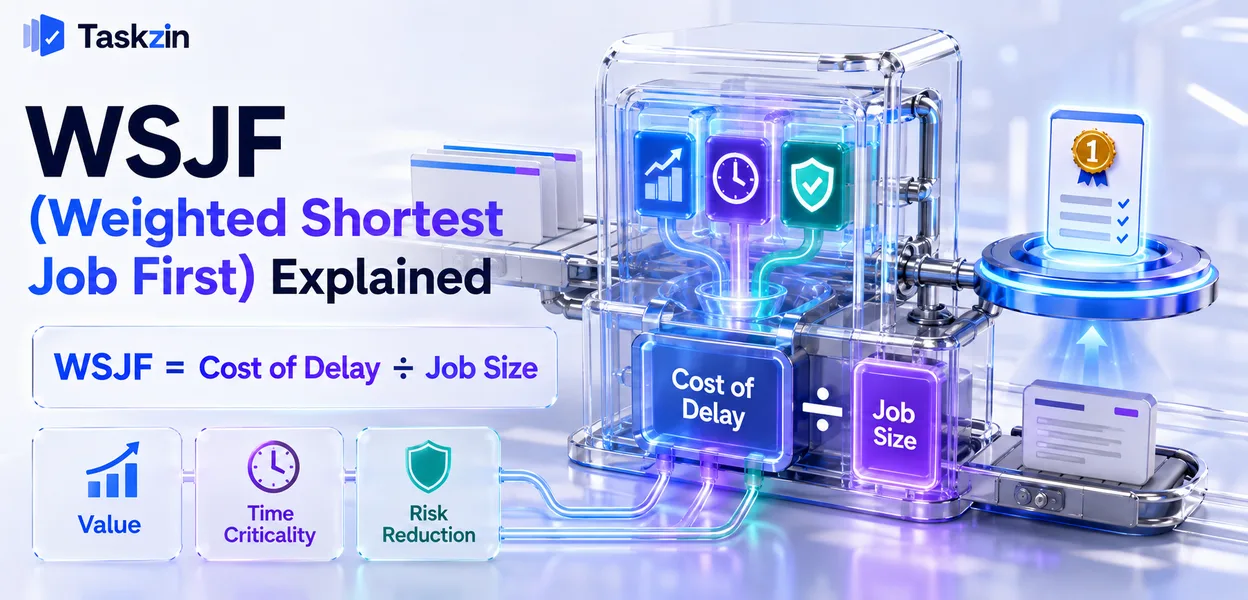
WSJF (Weighted Shortest Job First) Explained
A clear explanation of Weighted Shortest Job First, covering the economic idea behind it, the formula and its components, how to score each element, a worked example showing the ranking it produces, and common mistakes.
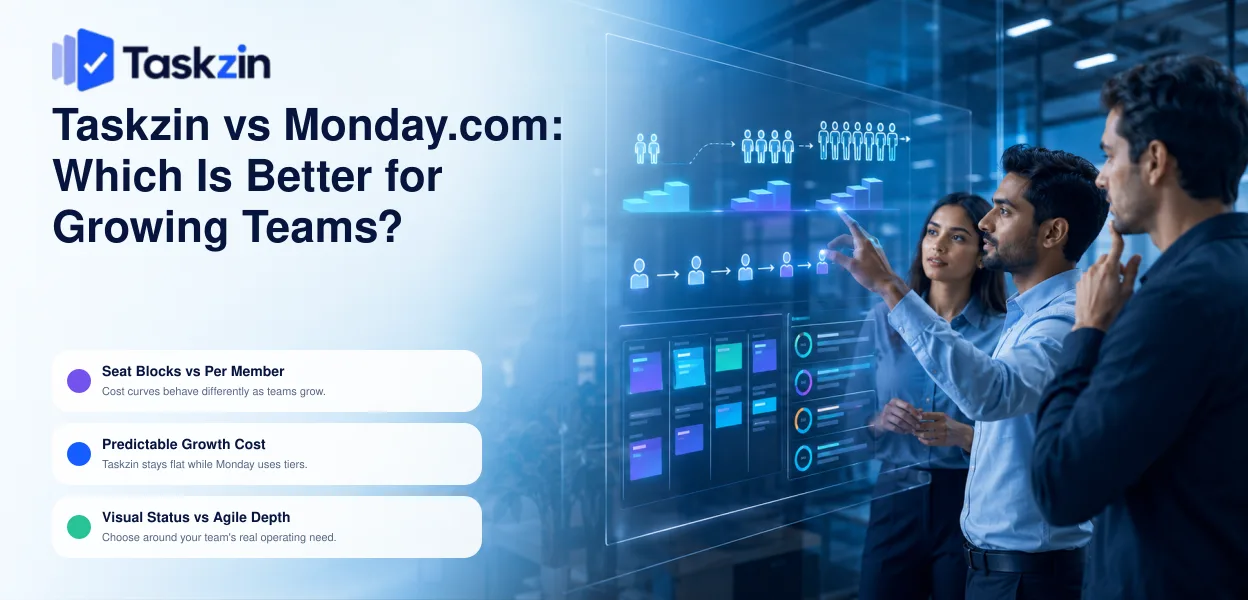
Taskzin vs Monday.com: Which Is Better for Growing Teams?
A comparison of Taskzin and Monday.com for growing teams, covering how seat-tier pricing differs from flat per-member cost, a cost table by headcount, feature differences including agile support, and which fits better at each team size.

The Eisenhower Matrix for Team Task Triage
A practical guide to using the Eisenhower matrix for team task triage, covering what it separates, the four quadrants and their actions, how to run a team session, how to make it stick, and where the method falls short.

Scrum vs Kanban: A Practical Comparison
A practical comparison of Scrum and Kanban, covering the single structural difference between them, a side-by-side table, where each fits best, the signals that you chose wrong, how to switch, and common comparison mistakes.

The Project Management Maturity Model Explained
A clear explanation of project management maturity models, covering what they are for, the five levels, how to assess your organisation honestly, what each transition requires, when higher maturity is not worth its cost, and common mistakes.

Taskzin vs Asana: Pricing, Features and Ease of Use Compared
A balanced comparison of Taskzin and Asana, covering how each prices and tiers its features, the agile capability gap, ease of use and ownership models, where Asana's maturity wins, and where Taskzin's included depth wins.

Agile vs Waterfall vs Kanban vs Scrumban: Methodologies Compared
A comparison of Waterfall, Scrum, Kanban and Scrumban, covering why agile is a category rather than a method, a side-by-side table, where each approach genuinely fits, three questions that settle the choice, and common comparison mistakes.
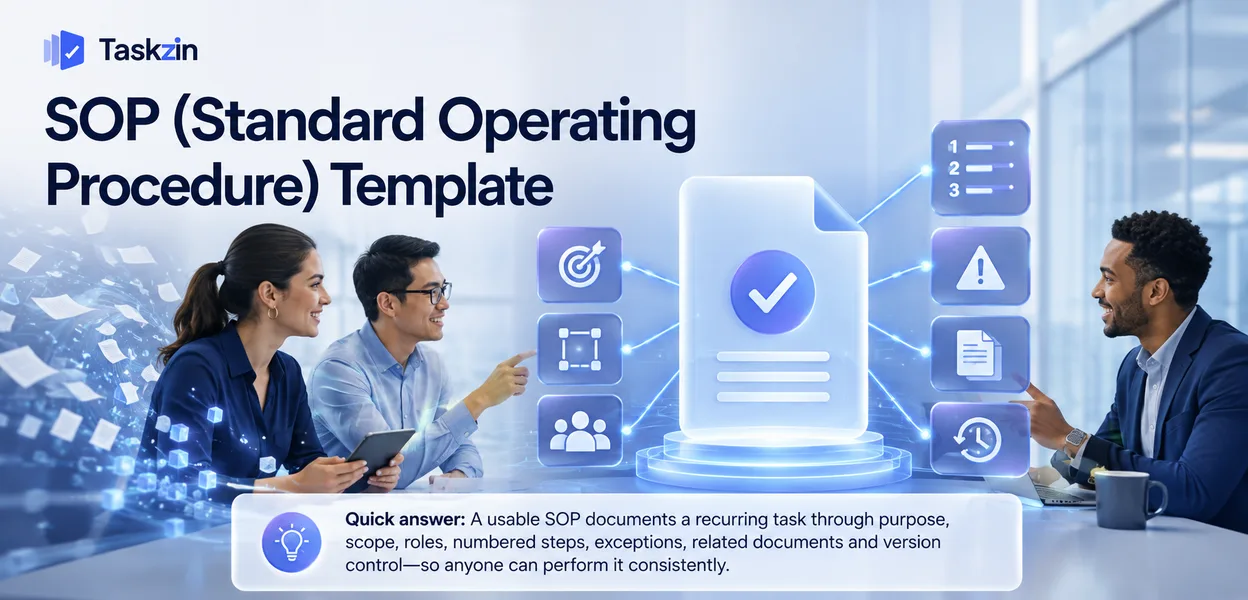
SOP (Standard Operating Procedure) Template
A standard operating procedure template covering the seven sections an SOP needs, how to write each one, how to write steps people can actually follow, how to keep SOPs current, and the mistakes that make them go unread.
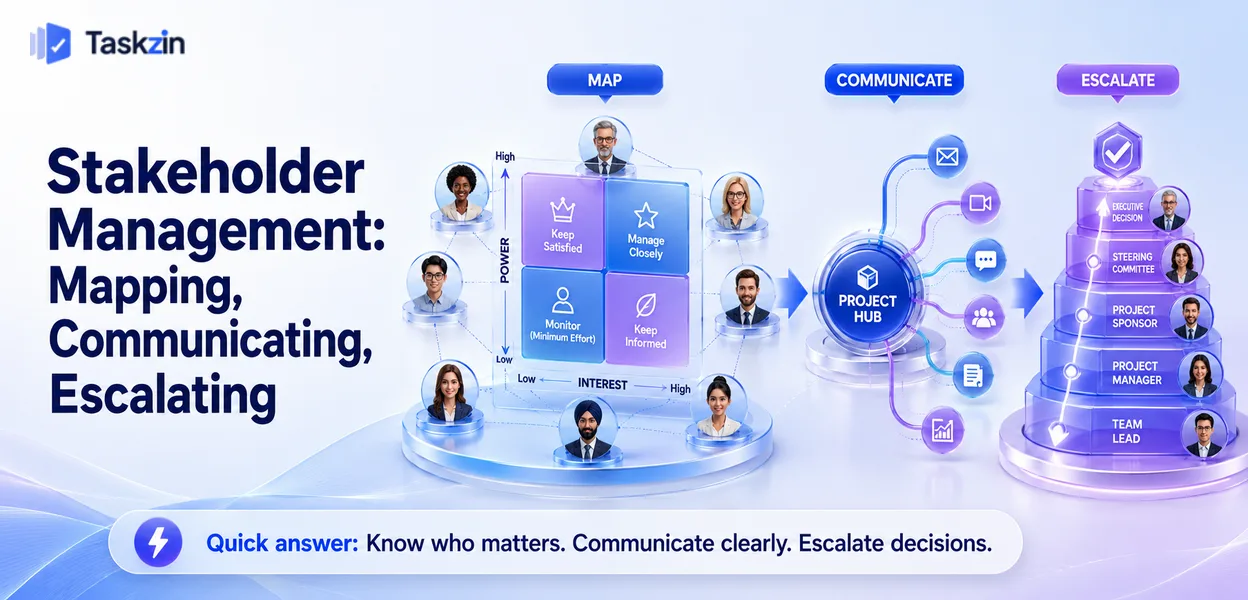
Stakeholder Management: Mapping, Communicating, Escalating
A practical guide to stakeholder management, covering how to identify who genuinely matters, mapping by power and interest, building a communication plan that people read, handling difficult stakeholders, and escalating cleanly.
Taskzin vs ClickUp: Full Feature-by-Feature Comparison
A feature-by-feature comparison of Taskzin and ClickUp, covering breadth versus maintainability, a full comparison table, how views and daily use differ, pricing including guest access, where each product wins, and migration.
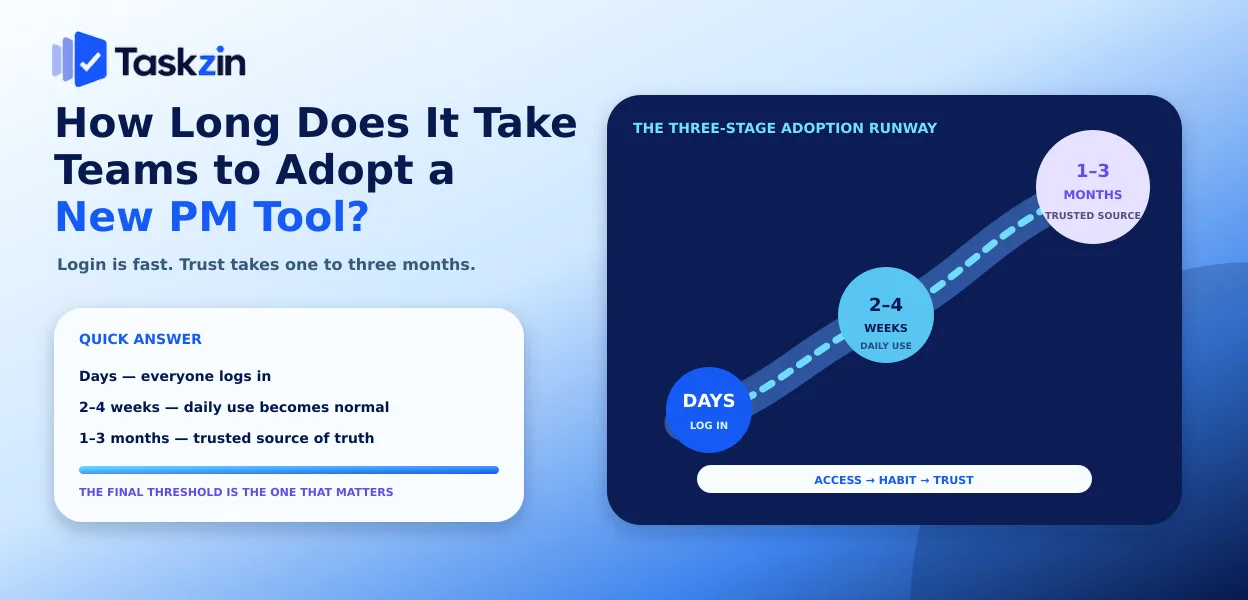
How Long Does It Take Teams to Adopt a New PM Tool?
A practical examination of project management tool adoption timelines, covering the three thresholds of adoption, what makes it faster or fails it, how to measure adoption in your own team weekly, and how to run it as a study worth publishing.
Asana vs Monday.com vs Trello: Which One Should You Pick?
A practical three-way comparison of Asana, Monday.com and Trello, covering what each product is actually for, a head-to-head table, how their pricing models differ as teams grow, choosing by the problem you have, and where each one runs out.

Jira vs ClickUp: An Honest Comparison
An honest comparison of Jira and ClickUp, covering the fundamental difference between depth and breadth, where each product genuinely leads, the criticisms each attracts, and clear guidance on which to choose.
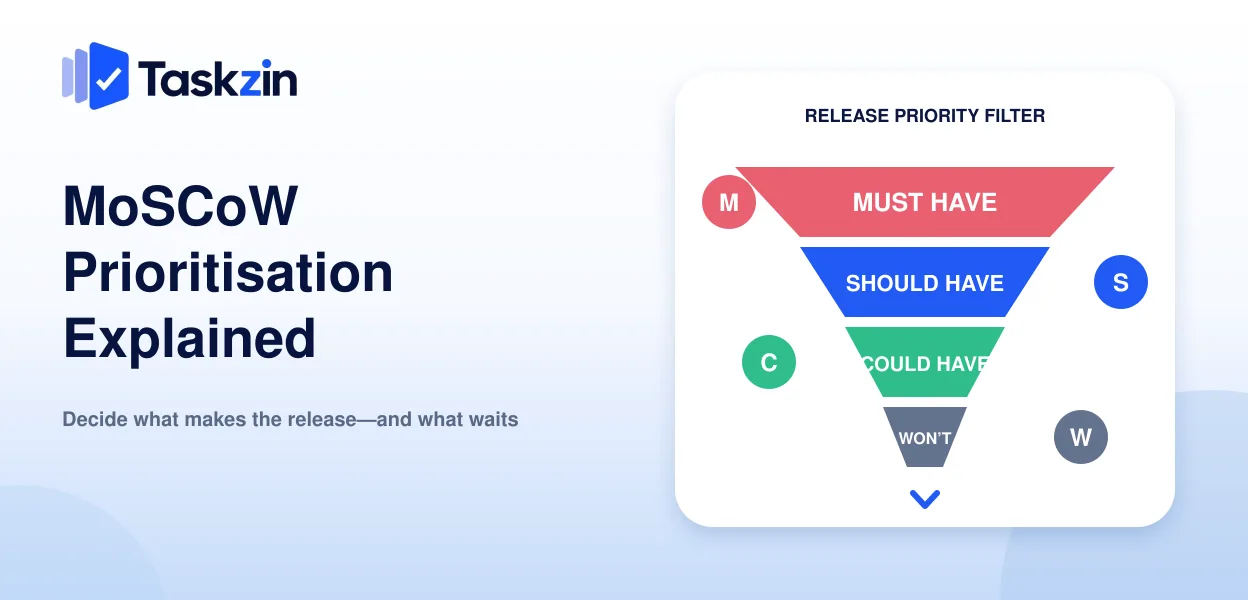
MoSCoW Prioritisation Explained
A practical explanation of MoSCoW prioritisation, covering the four categories and how to test each, how to run a session, the capacity cap that makes the method work, where it commonly fails, and how it compares to other prioritisation frameworks.
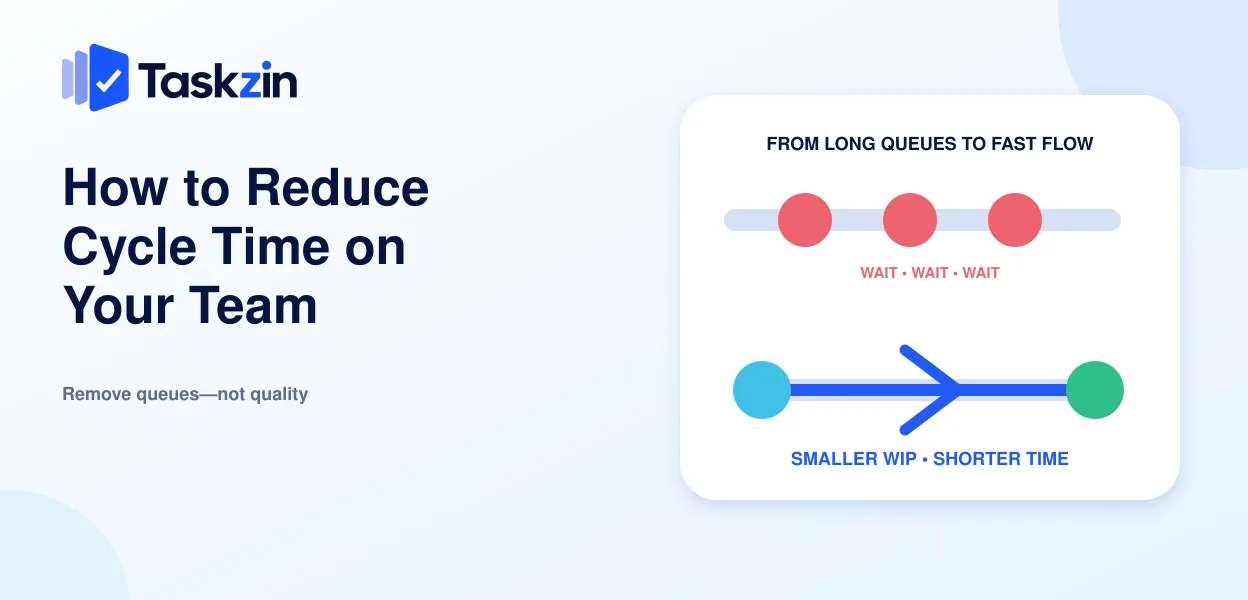
How to Reduce Cycle Time on Your Team
A practical guide to reducing cycle time, covering how to find where elapsed time is actually lost, where teams commonly lose it, the five changes that reliably help, how to run an improvement properly, and what makes it worse.
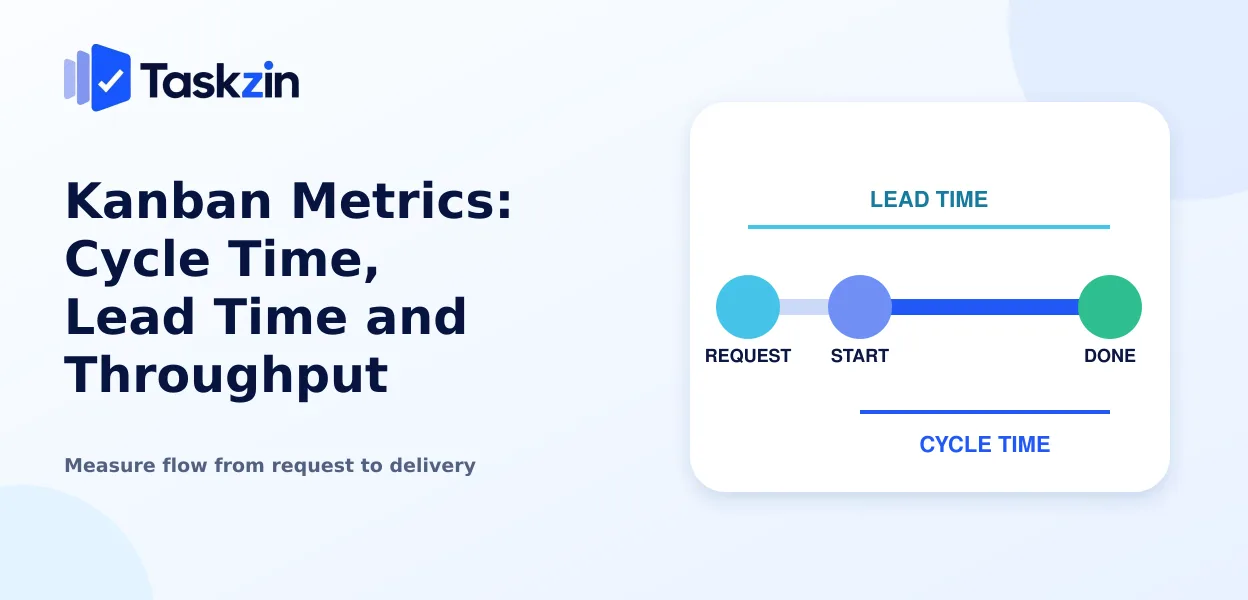
Kanban Metrics: Cycle Time, Lead Time and Throughput
A practical guide to Kanban flow metrics, covering what cycle time, lead time and throughput each measure, how Little's Law links them, how to read scatterplots and cumulative flow diagrams, probabilistic forecasting, and common mistakes.
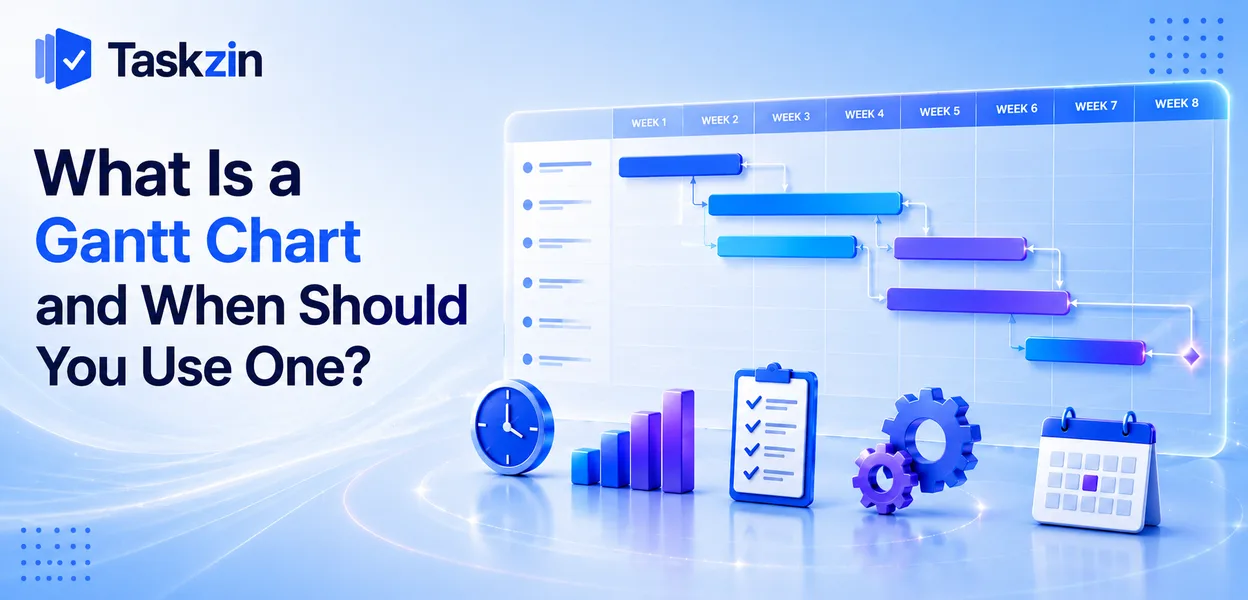
What Is a Gantt Chart and When Should You Use One?
A plain-English explanation of Gantt charts, covering what the chart shows, how dependencies and lag work, how it compares to other views, how to build one properly, and when to use a Gantt chart versus when to avoid it.
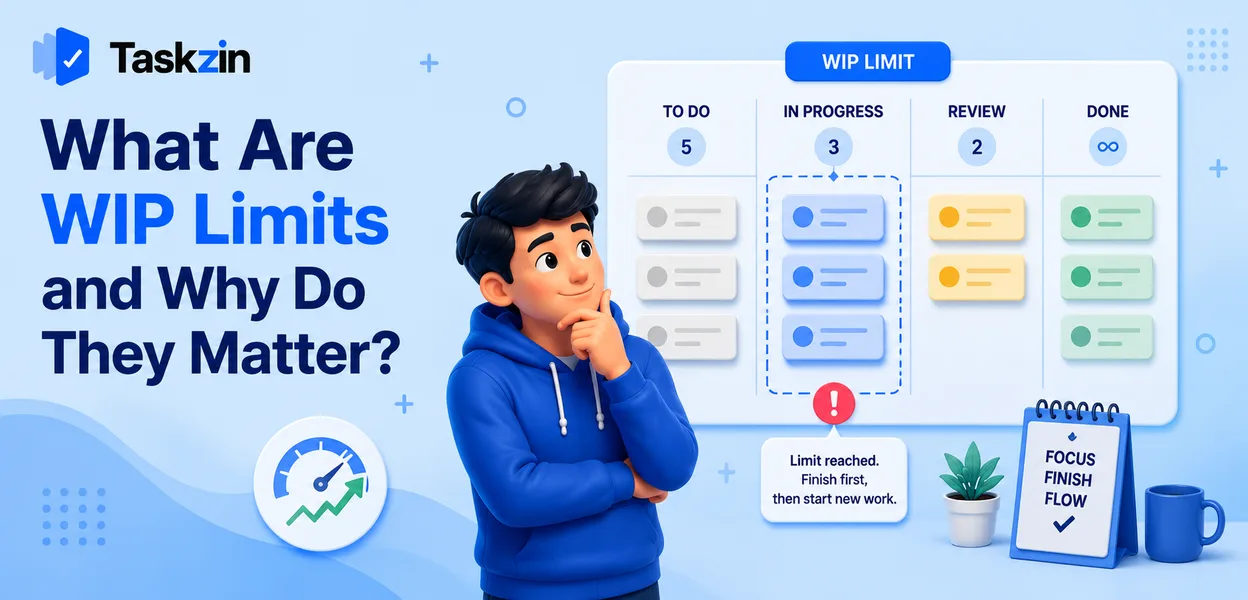
What Are WIP Limits and Why Do They Matter?
A plain-English explanation of WIP limits, covering what they are, why constraining concurrent work reduces cycle time, how to set and adjust the number, examples by team type, what to do when you hit the limit, and common mistakes.
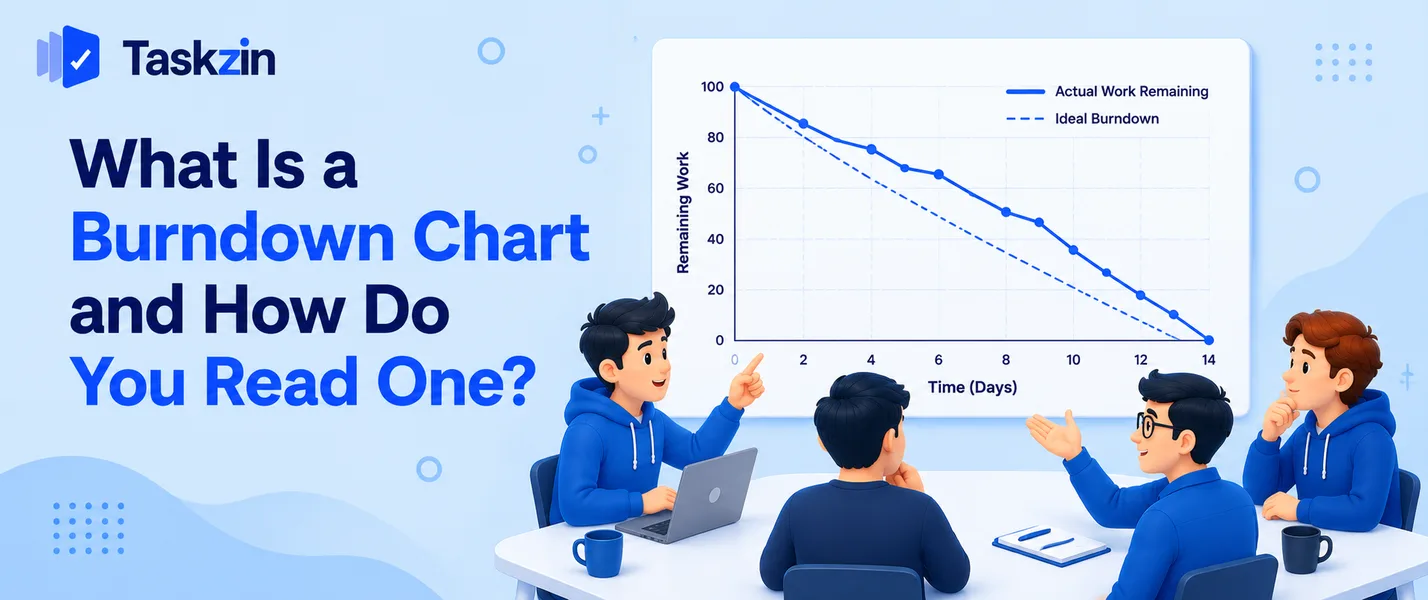
What Is a Burndown Chart and How Do You Read One?
A beginner-friendly explanation of burndown charts, covering what they show, how to read the common patterns, the difference from burnup charts, how to create and maintain one, their genuine limits, and common mistakes.
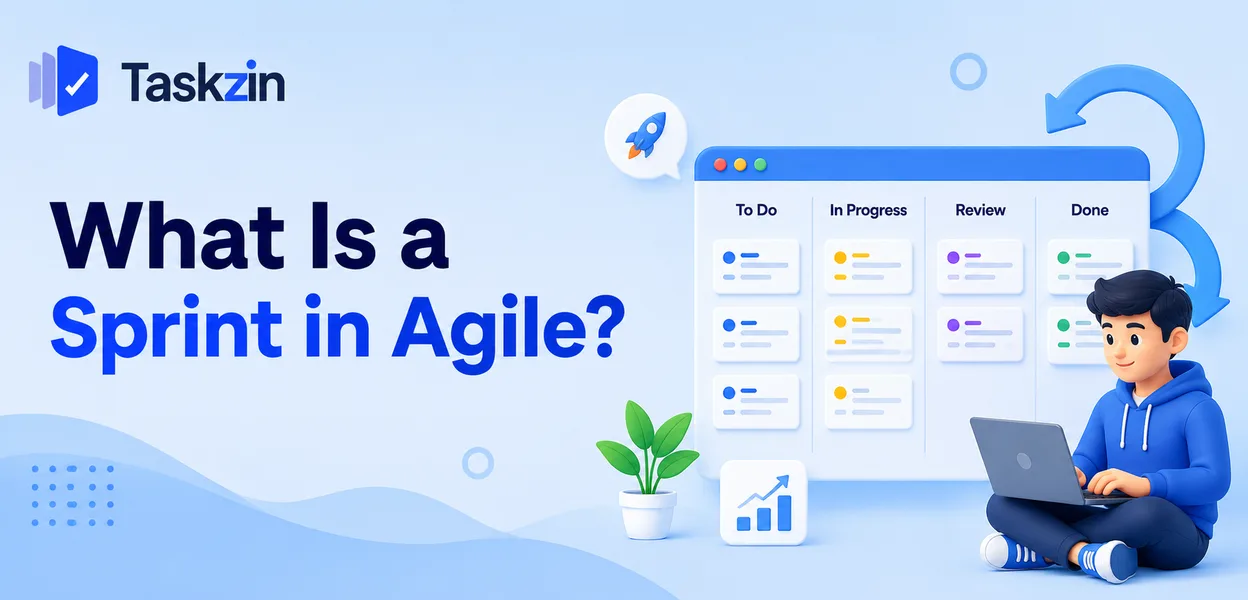
What Is a Sprint in Agile?
A beginner-friendly explanation of sprints in agile, covering the definition and purpose, the four sprint events, choosing a sprint length, what happens inside a sprint, common sprint problems, and when sprints are the wrong approach.
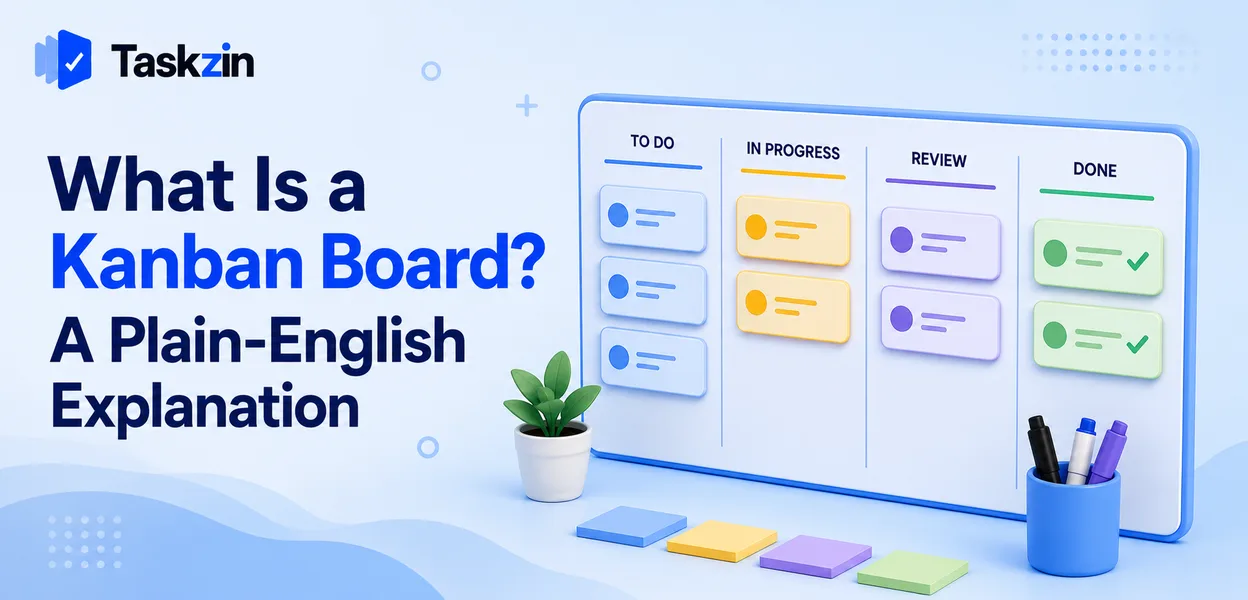
What Is a Kanban Board? A Plain-English Explanation
A beginner-friendly explanation of Kanban boards, covering what they are, how the pull system and WIP limits work, examples across different teams, how to set one up, how Kanban differs from Scrum, and common mistakes.
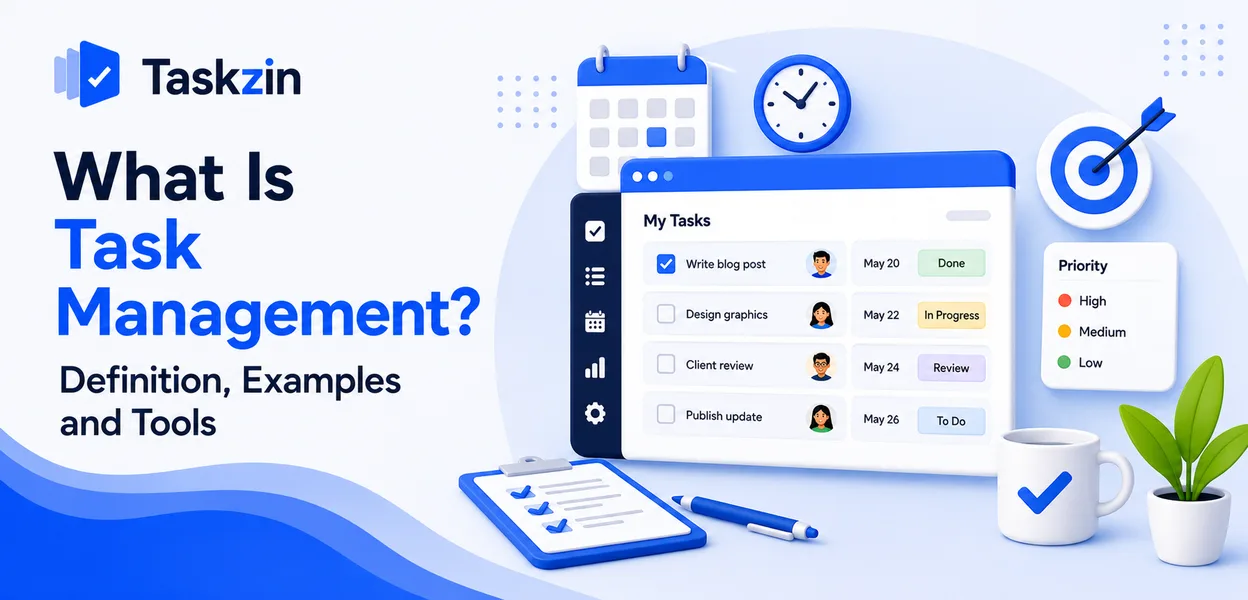
What Is Task Management? Definition, Examples and Tools
A plain-English explanation of task management, covering the definition, the five-stage lifecycle, worked examples for individuals and teams, how it differs from project management, how to write good tasks, and the main methods and tools.
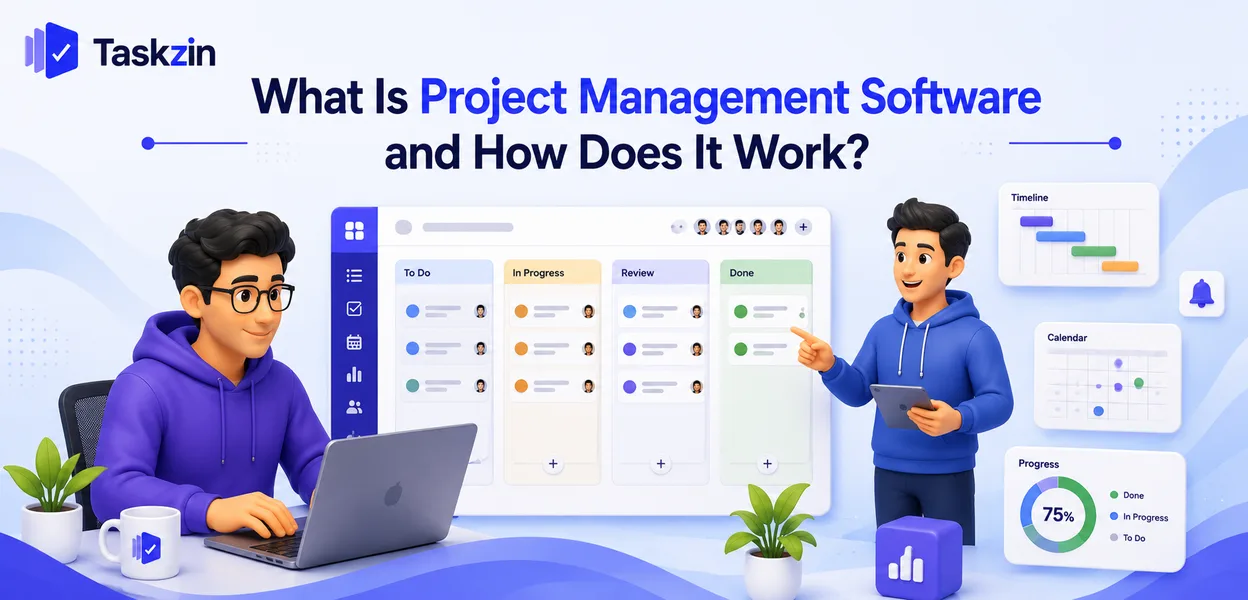
What Is Project Management Software and How Does It Work?
A beginner-friendly explanation of project management software, covering its four core functions, the underlying data model, the main product types, what adoption actually looks like, its genuine limits, and when a team needs one.
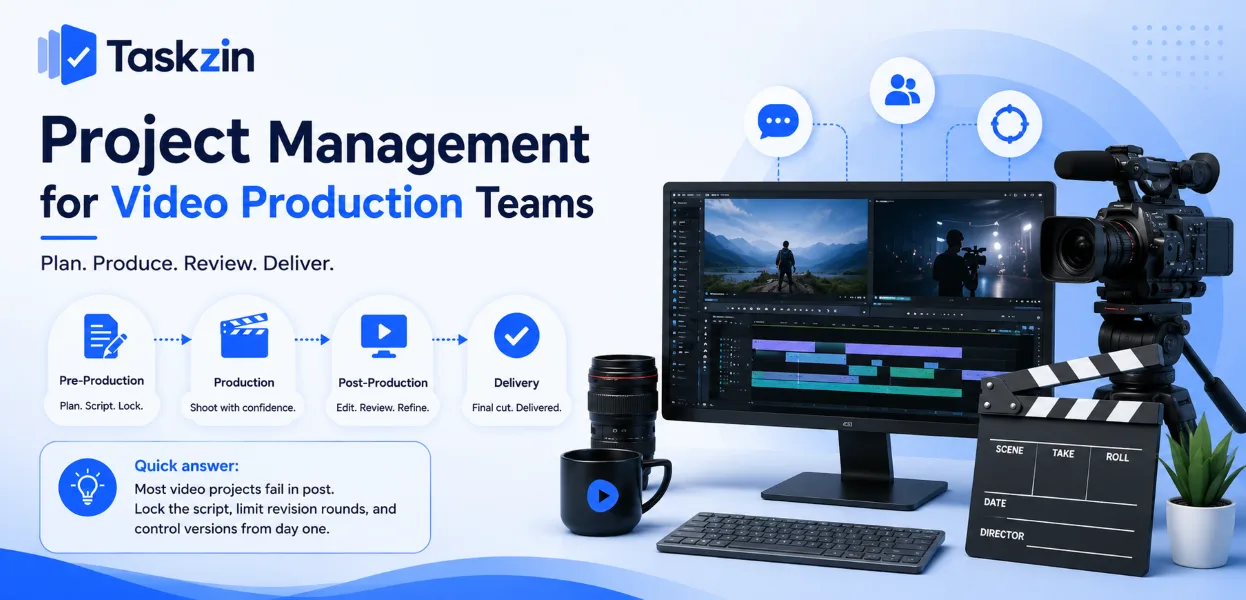
Project Management for Video Production Teams
A practical guide to project management for video production teams, covering why projects fail in post rather than production, planning pre-production, managing review cycles, asset and version control, and common mistakes.
Project Management in Healthcare
A practical guide to project management in healthcare settings, covering what makes healthcare projects different, planning around clinical availability, clinical engagement, governance and risk documentation, and common mistakes.
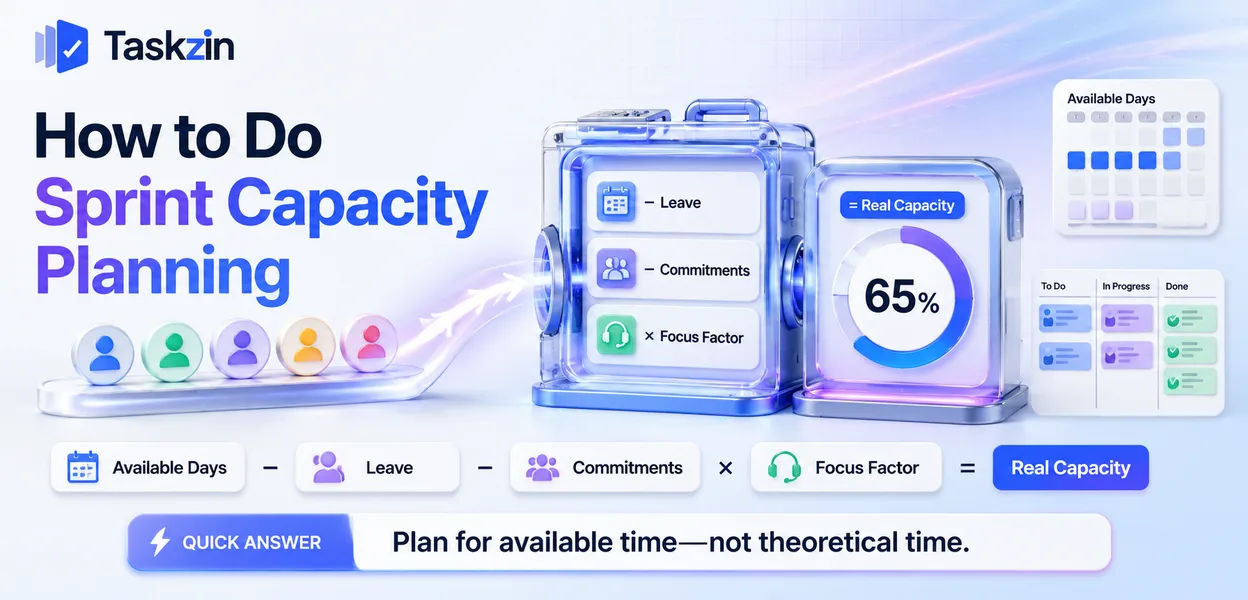
How to Do Sprint Capacity Planning
A practical guide to sprint capacity planning, covering why teams overcommit, a step-by-step calculation method, how to measure your team's real focus factor, how to use capacity in planning, and common mistakes.
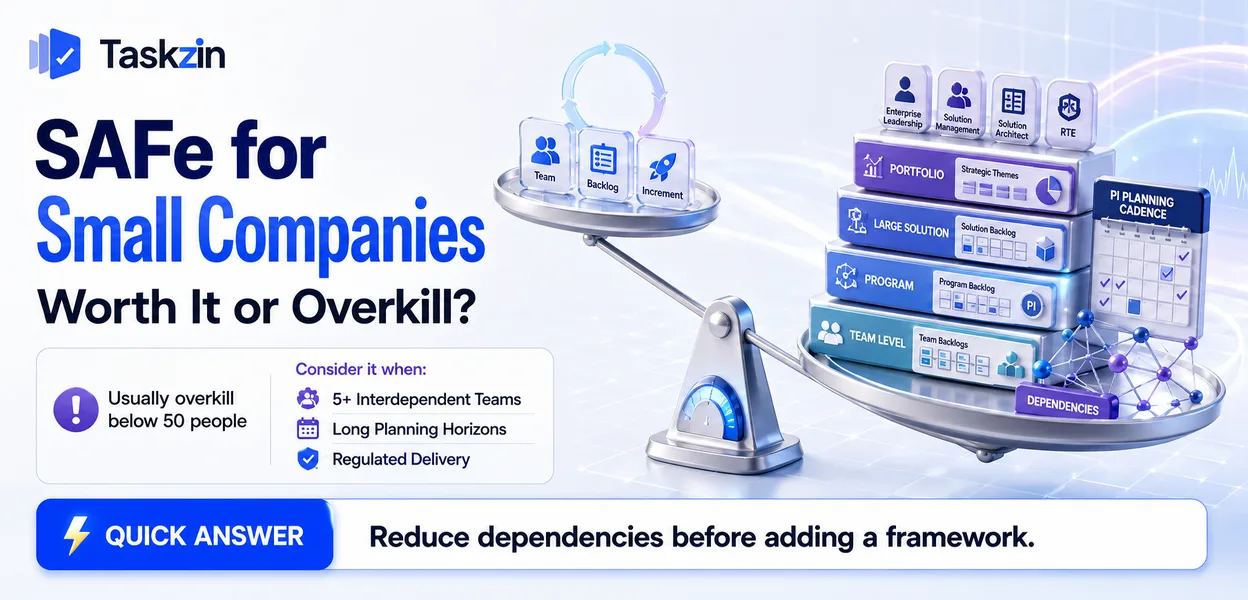
SAFe for Small Companies: Worth It or Overkill?
An honest assessment of SAFe for small companies, covering what the framework adds above Scrum, when it is disproportionate, the conditions that justify it, lighter alternatives worth trying first, and how to adopt it sensibly.
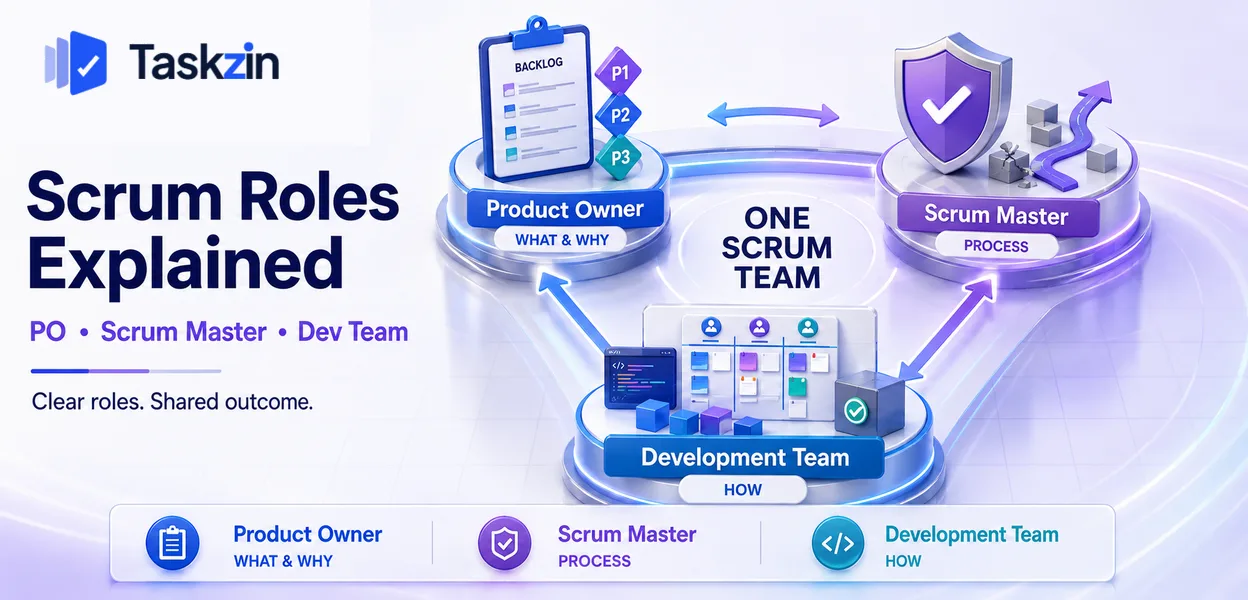
Scrum Roles Explained: PO, Scrum Master, Dev Team
A clear explanation of the three scrum roles, covering why the framework defines only three, what each one decides and does daily, where each commonly goes wrong, and the role combinations that reliably cause trouble.

Project Management for Manufacturing
A practical guide to project management in manufacturing, covering the difference between production operations and project work, running new product introduction, planning line changes and capital projects, continuous improvement, and common mistakes.
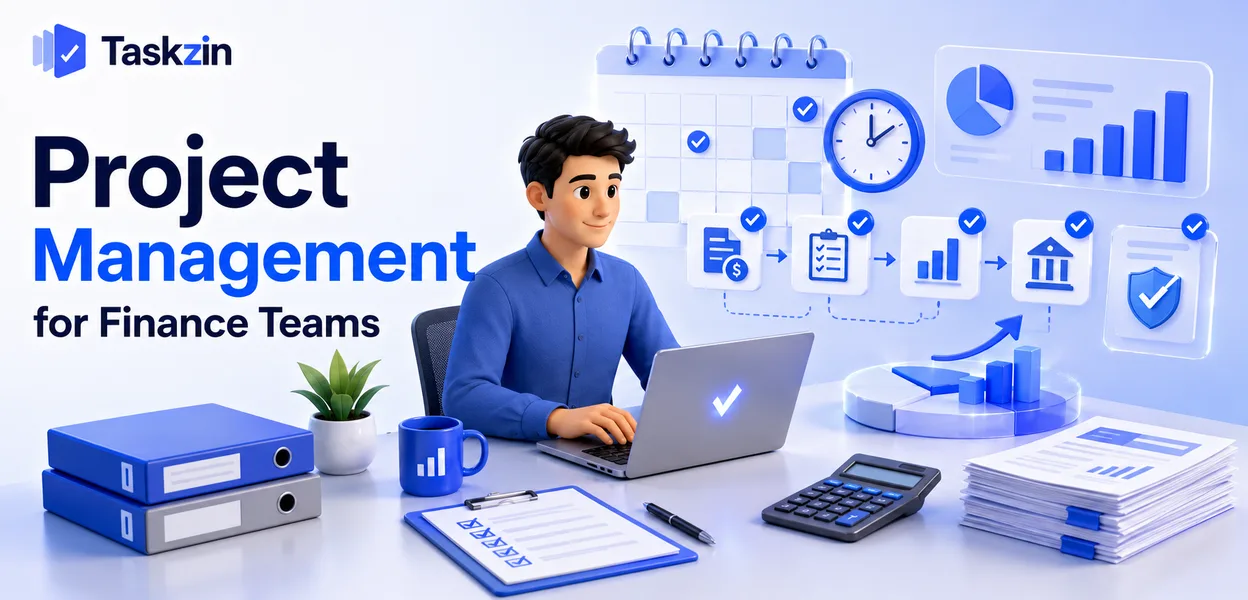
Project Management for Finance Teams
A practical guide to project management for finance teams, covering what makes finance work distinctive, running month-end close as a managed process, audit and compliance deadlines, budgeting cycles, and common mistakes.
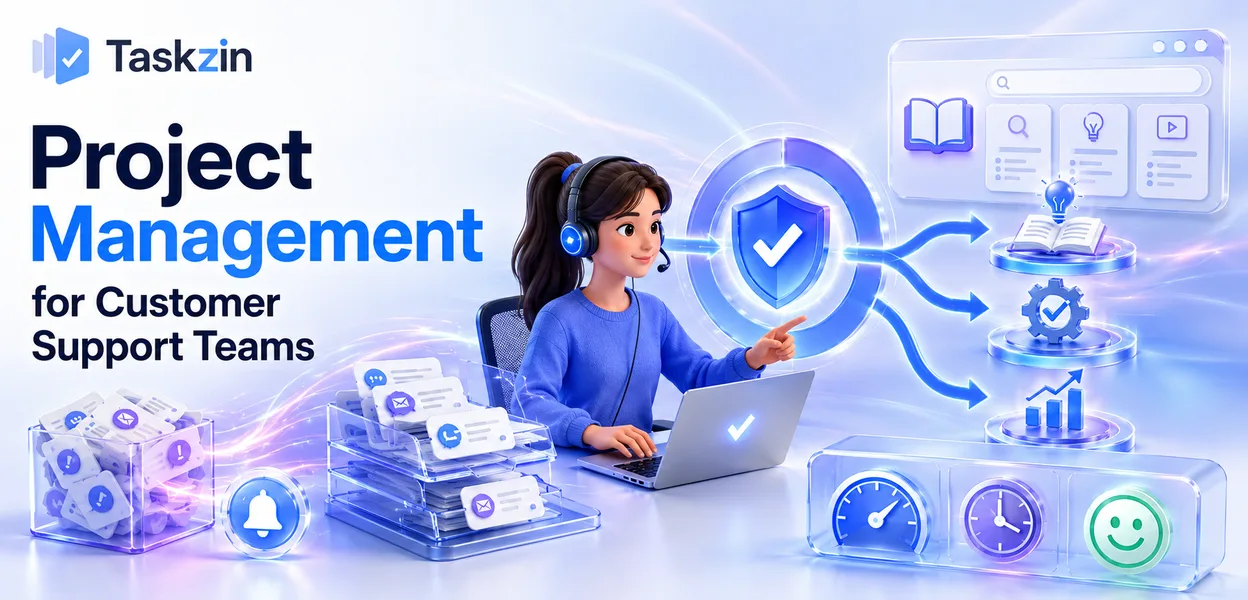
Project Management for Customer Support Teams
A practical guide to project management for customer support teams, covering why support resists sprints, separating ticket work from project work, managing the knowledge base, metrics that balance speed with improvement, and common mistakes.
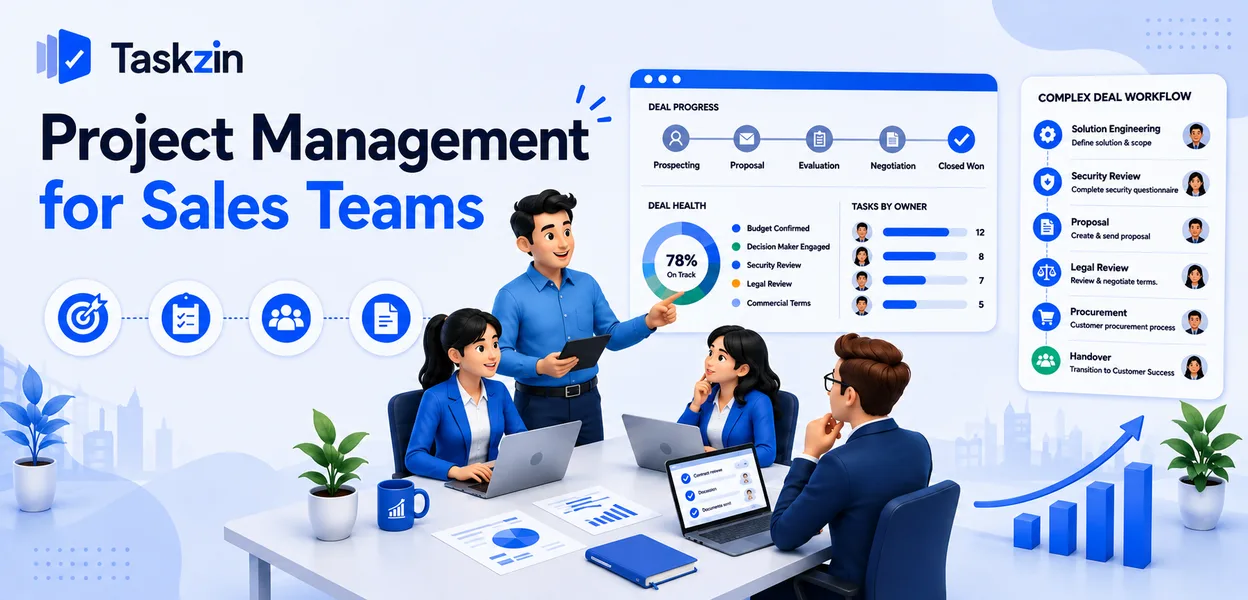
Project Management for Sales Teams
A practical guide to project management for sales teams, covering the boundary between CRM and project work, running complex deals as projects, managing RFP responses, handover to delivery, and common mistakes.
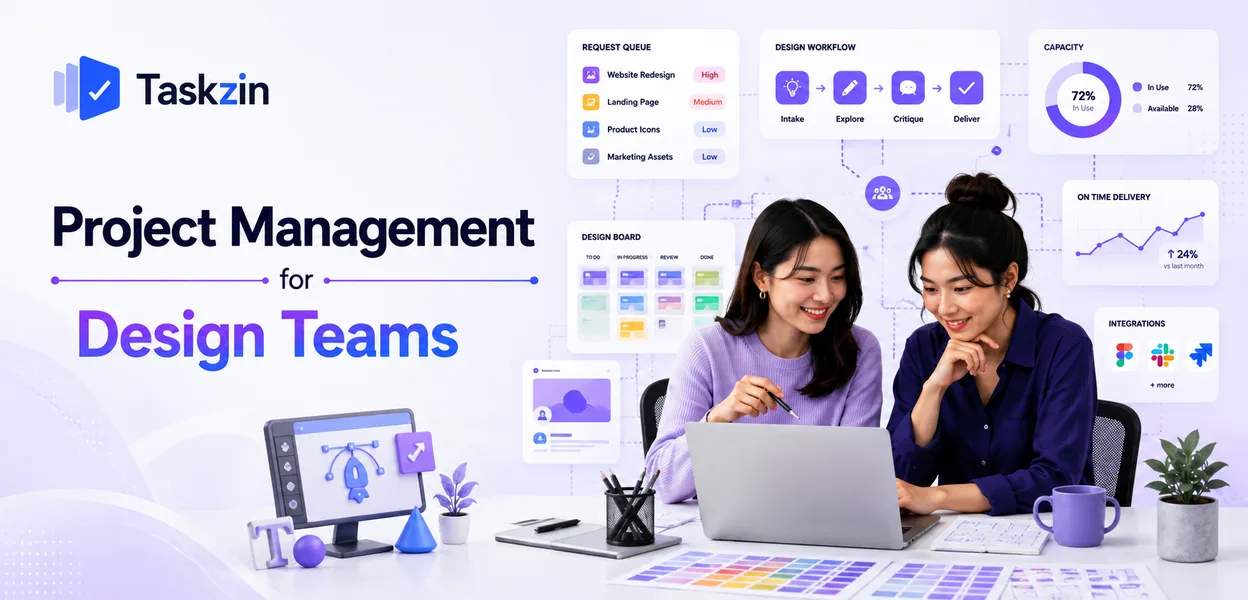
Project Management for Design Teams
A practical guide to project management for design teams, covering why design resists standard planning, a stage-by-stage flow, how to structure feedback and critique, working with engineering, and common mistakes.
Best Workflow Automation Tools for Project Teams
A comparison of the best workflow automation tools for project teams, covering native versus cross-tool automation, ten reviewed options, what to automate first, the automations worth building, and the mistakes that make automation counterproductive.

Project Management for Ecommerce Teams
A practical guide to project management for ecommerce teams, covering the trading calendar, running product launches across four workstreams, preparing for peak, releasing site changes safely, and common mistakes.
Project Management for Event Planners
A practical guide to project management for event planners, covering why fixed dates make events unforgiving, backwards planning, supplier and venue management, building a run of show, and common mistakes.

Project Management for Real Estate Teams
A practical guide to project management for real estate teams, covering transaction pipelines and chase discipline, property development programmes, lettings compliance and maintenance queues, and the mistakes that cost deals.

Project Management for Law Firms
A practical guide to legal project management, covering why fixed fees made it necessary, running a matter as a project, managing critical dates and limitation periods, confidentiality and conflicts, and common mistakes.
Project Management for Nonprofits and NGOs
A practical guide to project management for nonprofits and NGOs, covering how funding agreements shape projects, running a grant-funded programme, volunteer coordination, managing multiple funders, and common mistakes.
Project Management for Schools and Education
A practical guide to project management in schools, covering the constraints of the academic calendar and teaching time, which cycles to template, inspection readiness, running improvement plans, and common mistakes.
Project Management for Construction Projects
A practical guide to construction project management, covering the programme as a contractual instrument, the project lifecycle, managing RFIs and submittals, coordinating subcontractors by sequence and access, and common mistakes.
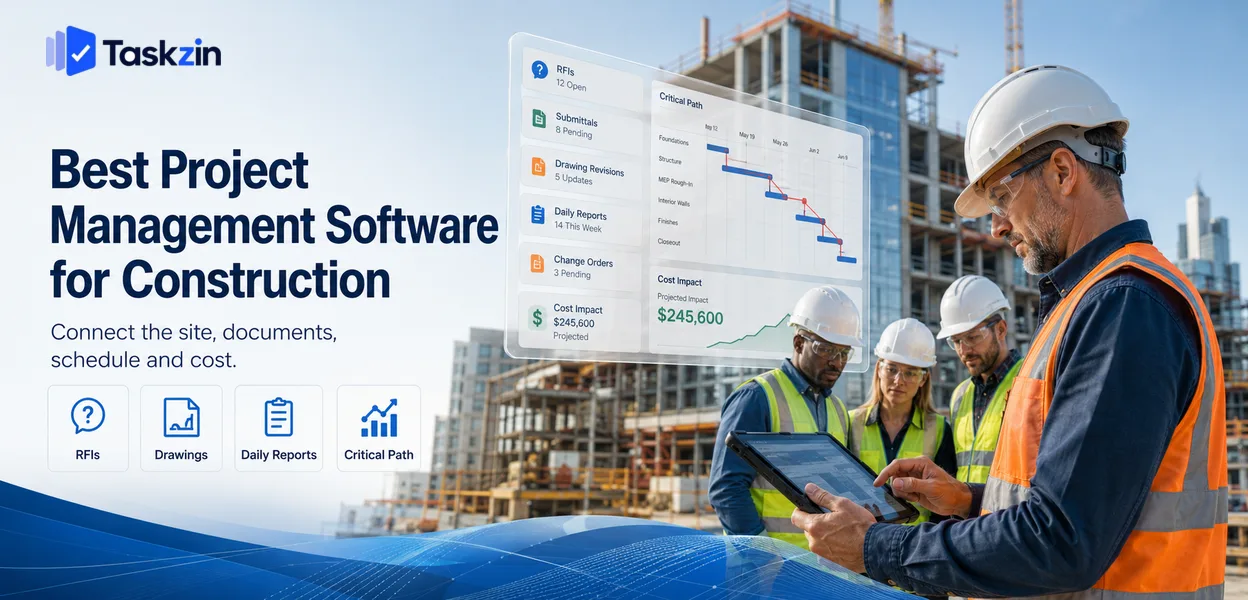
Best Project Management Software for Construction
A comparison of the best project management software for construction, covering site data capture, contractual document trails and enforced schedules, ten reviewed tools, how to choose by phase, and how to get site teams to adopt it.
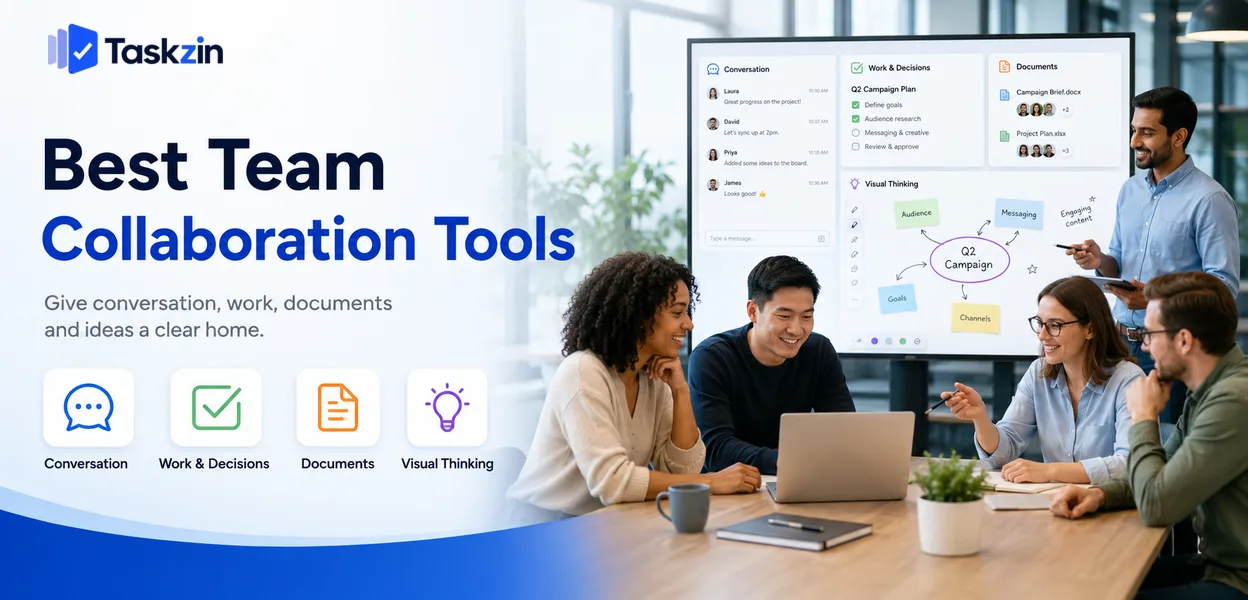
Best Team Collaboration Tools
A guide to the best team collaboration tools, covering the four jobs collaboration software does, ten reviewed tools, how to assign one tool per job, when to choose synchronous over asynchronous, and the habits that cause sprawl.
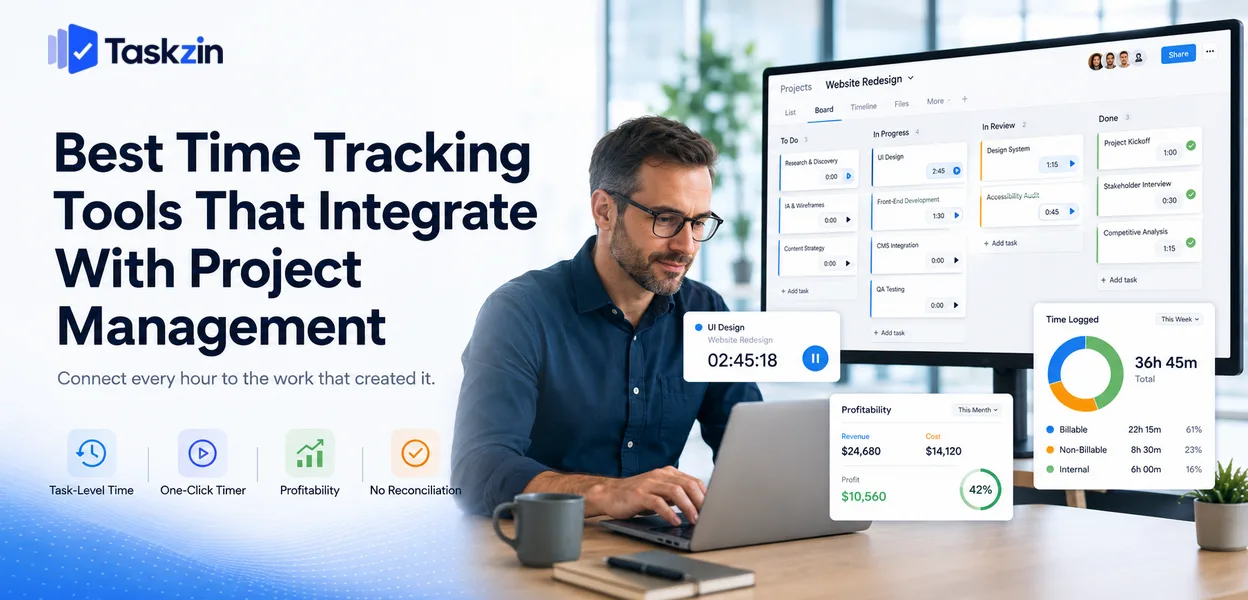
Best Time Tracking Tools That Integrate With Project Management
A comparison of the best time tracking tools that integrate with project management, covering why task-level tracking matters, ten reviewed options, how to choose between built-in and integrated, and how to make tracking stick without surveillance.
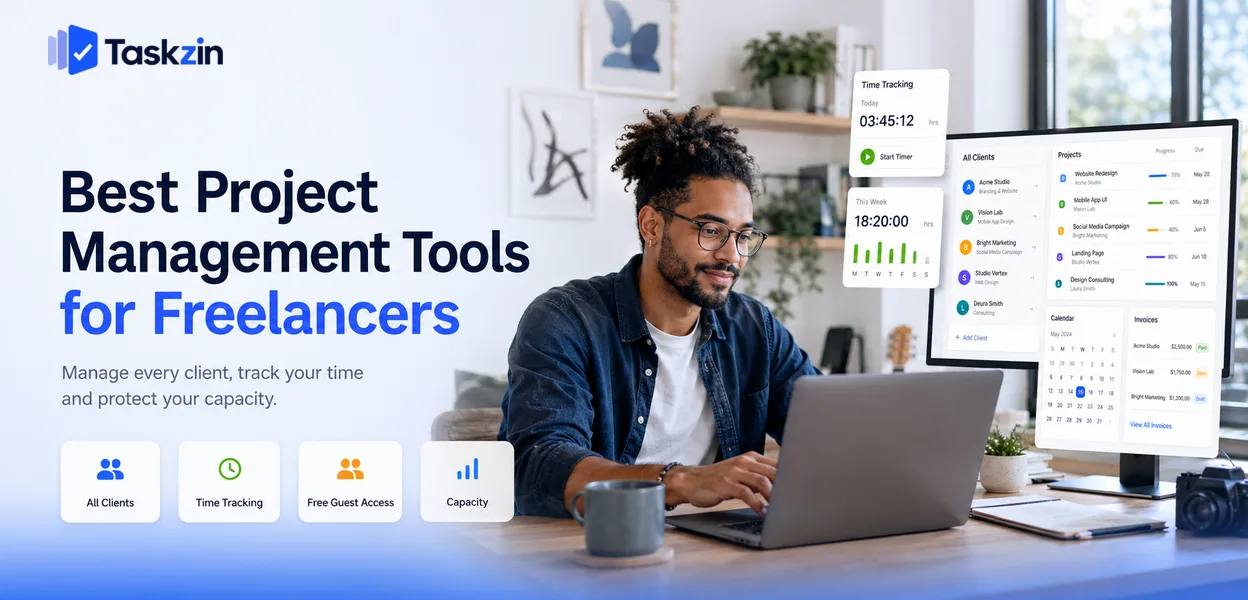
Best Project Management Tools for Freelancers
A comparison of the best project management tools for freelancers, covering what solo operators actually need, ten reviewed options, how to set up one system across clients, and the commercial numbers freelancers should track.
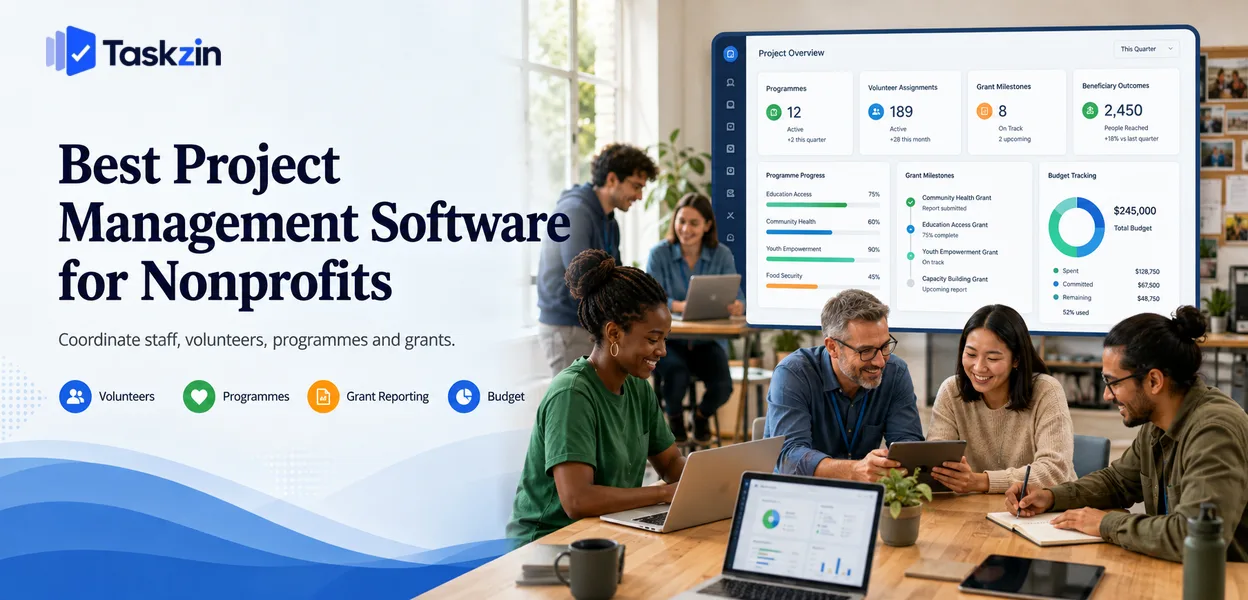
Best Project Management Software for Nonprofits
A comparison of the best project management software for nonprofits, covering volunteer turnover, funder reporting and budget constraints, ten reviewed tools, nonprofit discount advice, and how to set up so knowledge survives handover.
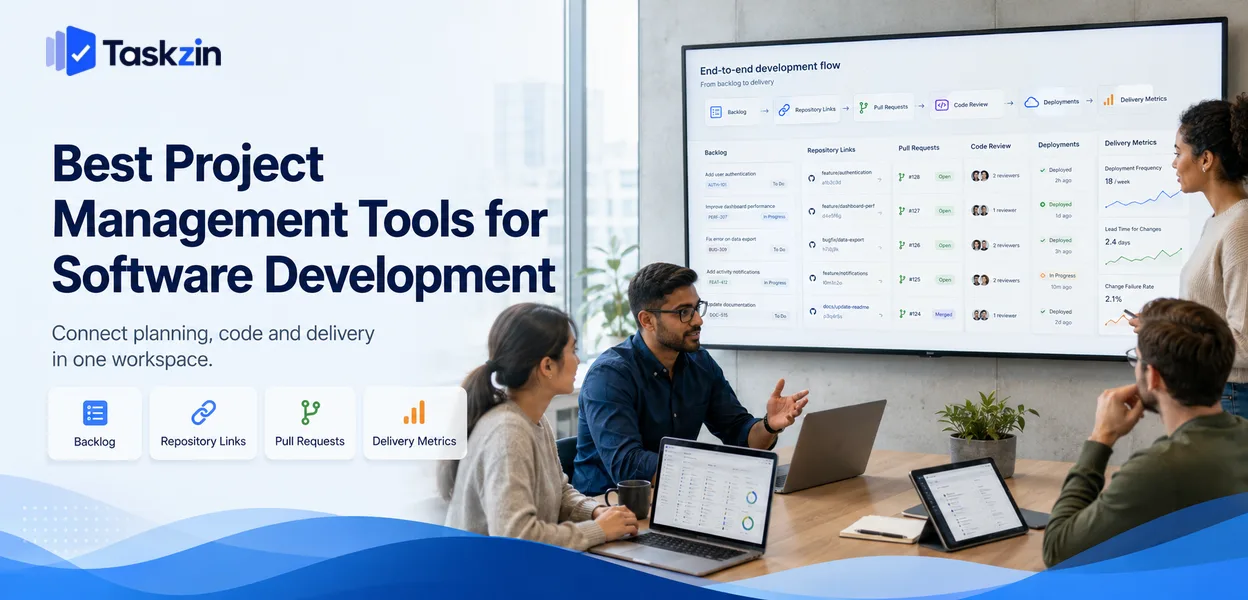
Best Project Management Tools for Software Development
A comparison of the best project management tools for software development, covering repository integration, update friction and reporting, ten reviewed tools, how the right choice changes with team size, and the engineering metrics worth tracking.
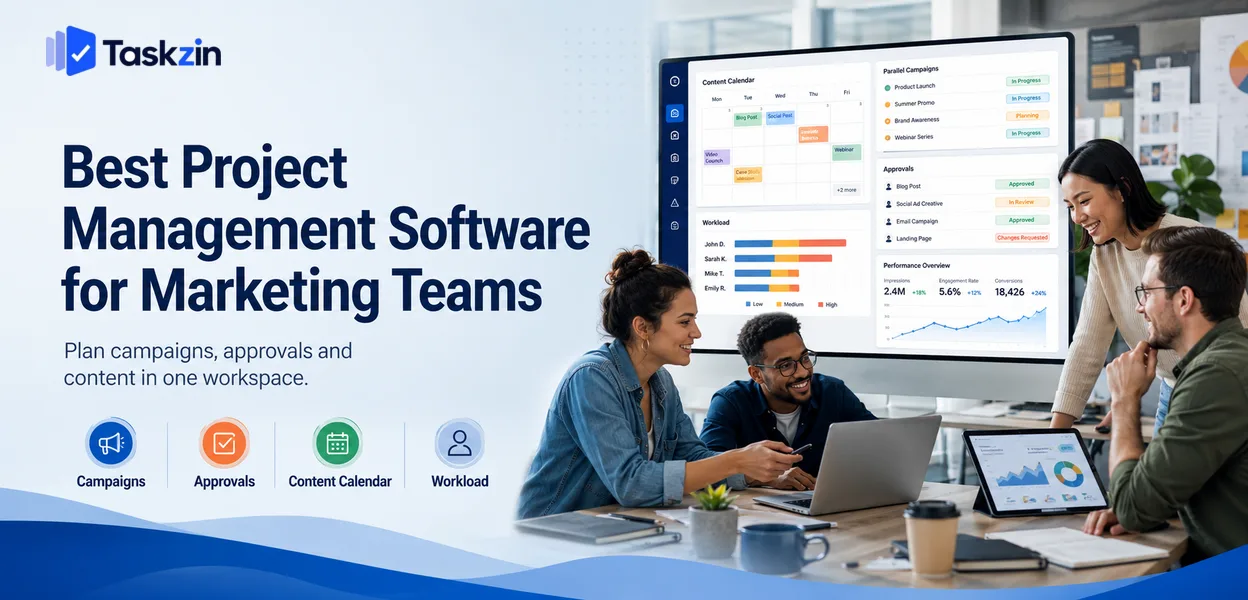
Best Project Management Software for Marketing Teams
A comparison of the best project management software for marketing teams, covering why generic tools struggle with parallel campaigns and approvals, ten reviewed options, how to set up campaign templates and approval chains, and what to measure.
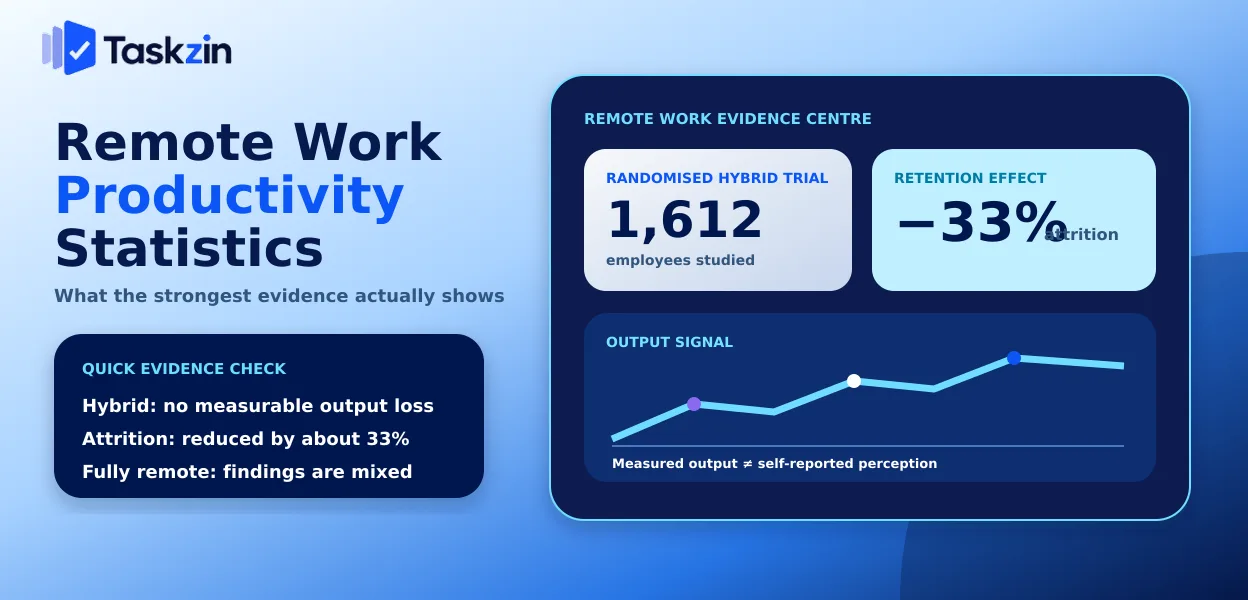
Remote Work Productivity Statistics
An evidence-led roundup of remote work productivity statistics, covering the randomised trial findings on hybrid and fully remote work, current working patterns, retention and cost effects, the perception gap, and how to use these figures responsibly.
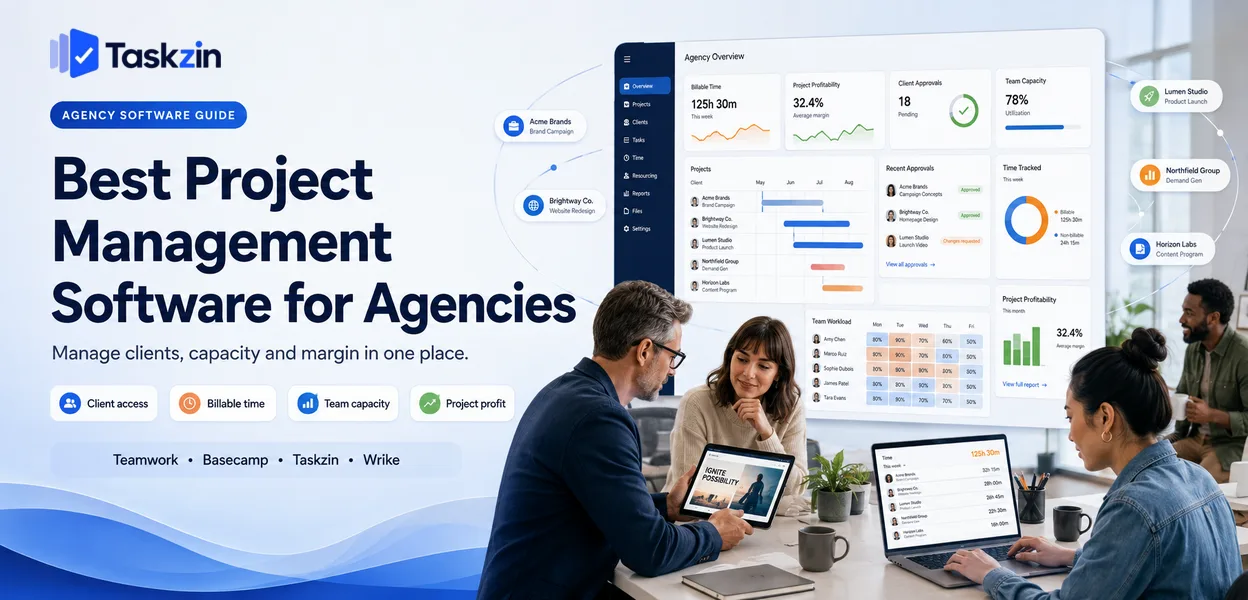
Best Project Management Software for Agencies
A comparison of the best project management software for agencies, covering client access, billable time, resourcing across accounts, ten reviewed tools, how to set up client projects, and the habits that erode margin.
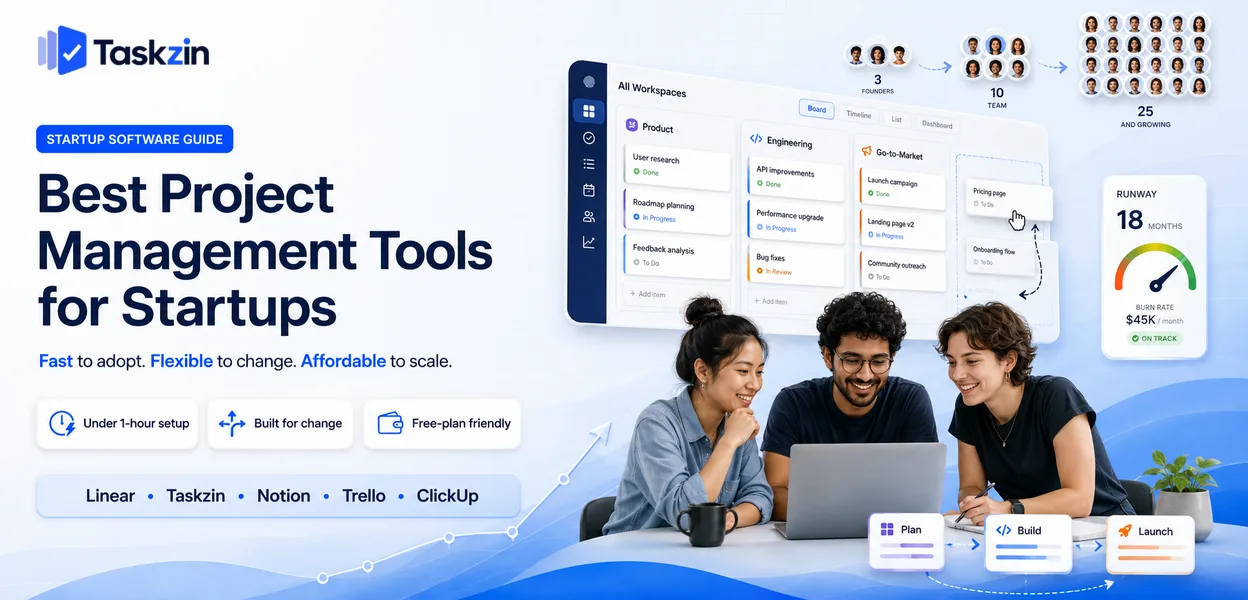
Best Project Management Tools for Startups
A comparison of the best project management tools for startups, covering what actually matters at startup scale, ten reviewed options, how the right choice changes from pre-seed to Series A, and the tooling mistakes that create expensive migrations.
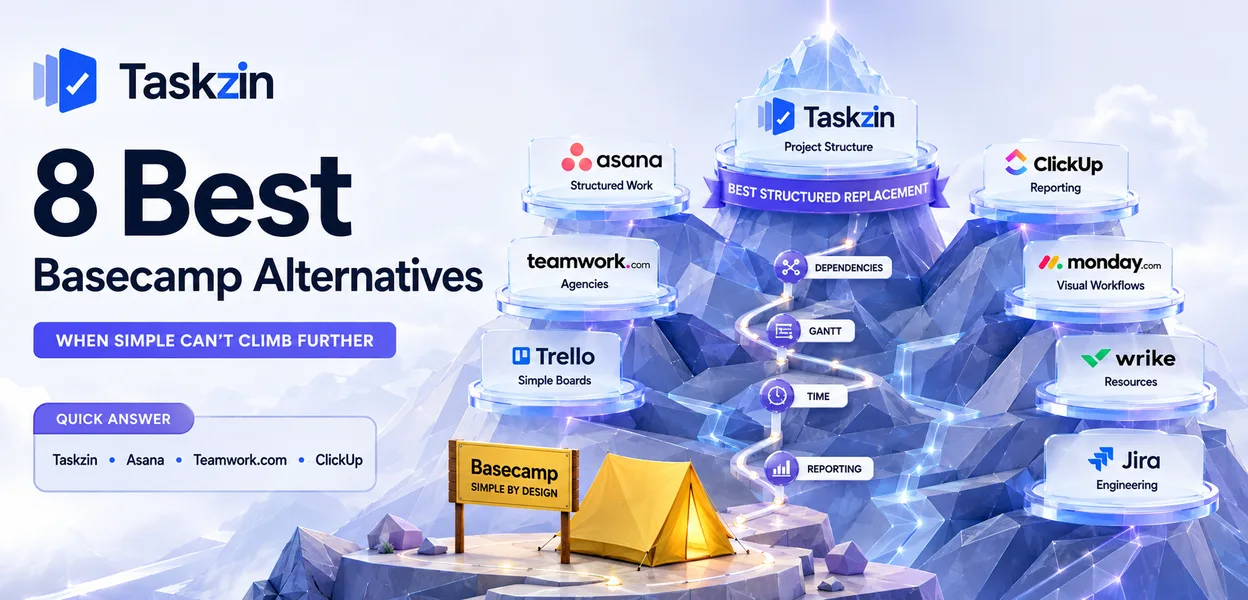
8 Best Basecamp Alternatives
A comparison of eight Basecamp alternatives, covering the capabilities Basecamp deliberately excludes, when flat-fee pricing stops paying off, eight reviewed options, migration steps, and when staying is the better call.
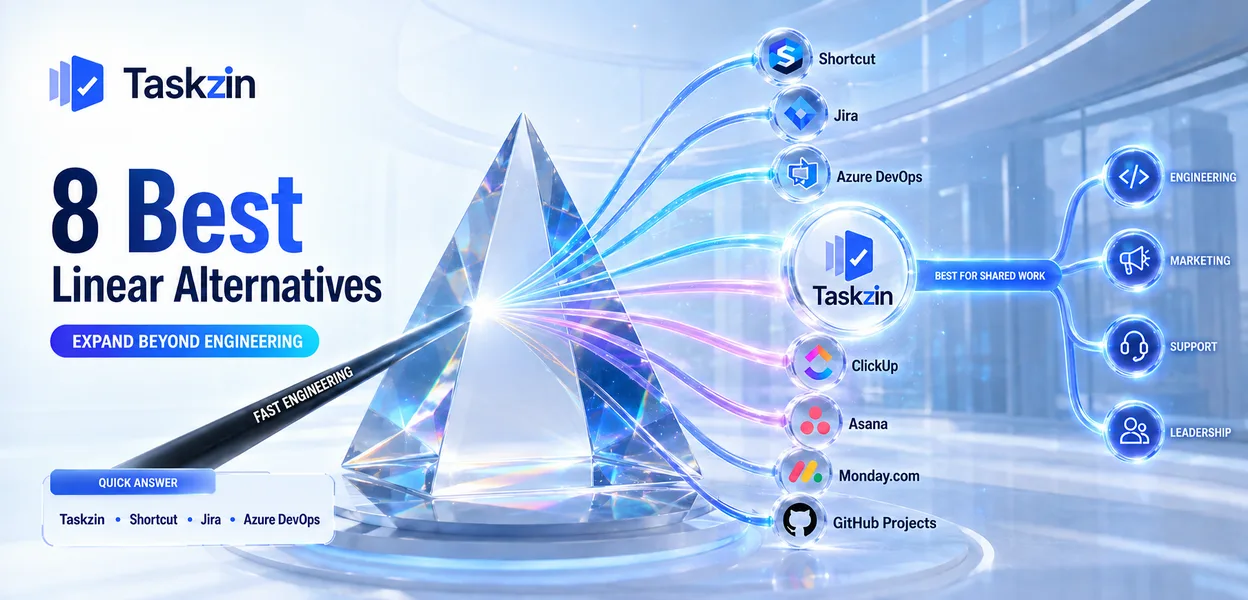
8 Best Linear Alternatives
A comparison of eight Linear alternatives, covering why teams outgrow it, eight reviewed options, how to choose without losing update speed, migration steps including identifier mapping, and when Linear remains the right tool.
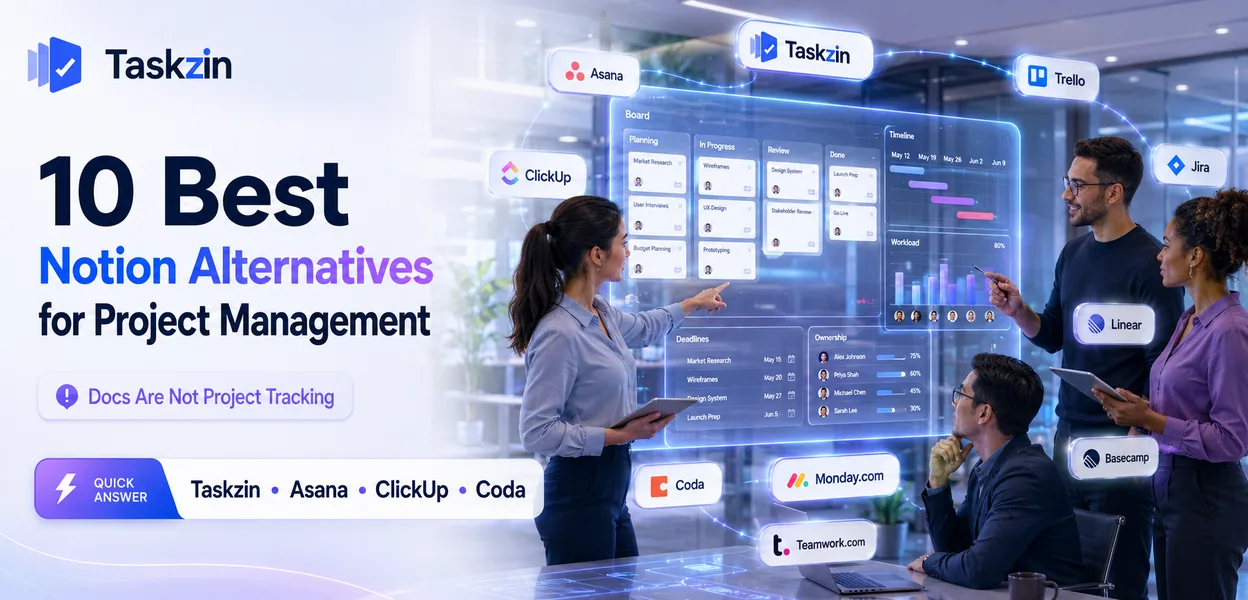
10 Best Notion Alternatives for Project Management
A comparison of ten Notion alternatives for project management, covering where Notion falls short as a tracker, ten reviewed options, how to split documentation from delivery, migration steps, and when Notion is still right.
10 Best Trello Alternatives
A comparison of ten Trello alternatives, covering the specific limits teams hit, what power-ups really cost, ten reviewed options, how to migrate without losing momentum, and when Trello remains the right tool.
10 Best Monday.com Alternatives
A comparison of ten Monday.com alternatives, covering seat-tier pricing, when boards stop scaling into projects, ten reviewed options, how to migrate automations, and when Monday remains the right fit.
10 Best Asana Alternatives
A comparison of ten Asana alternatives, covering why teams switch, how to identify the paid feature you are really buying, guest seat pricing, migration steps, and when staying on Asana is the better call.
12 Best ClickUp Alternatives for Teams That Want Less Clutter
A comparison of twelve ClickUp alternatives for teams wanting less complexity, covering why teams leave, how to tell whether the tool or the configuration is at fault, migration steps, and when staying makes more sense.
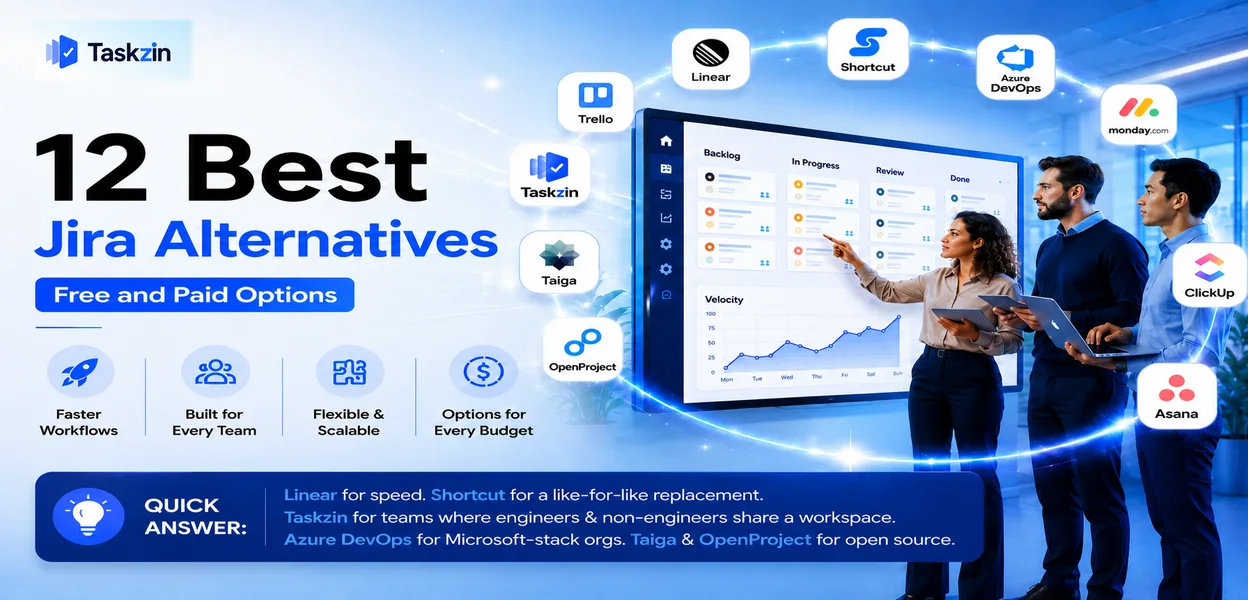
12 Best Jira Alternatives (Free and Paid)
A comparison of twelve Jira alternatives, free and paid, covering why teams leave Jira, how to choose a replacement based on actual usage, how to migrate without losing history, and when staying is the better decision.
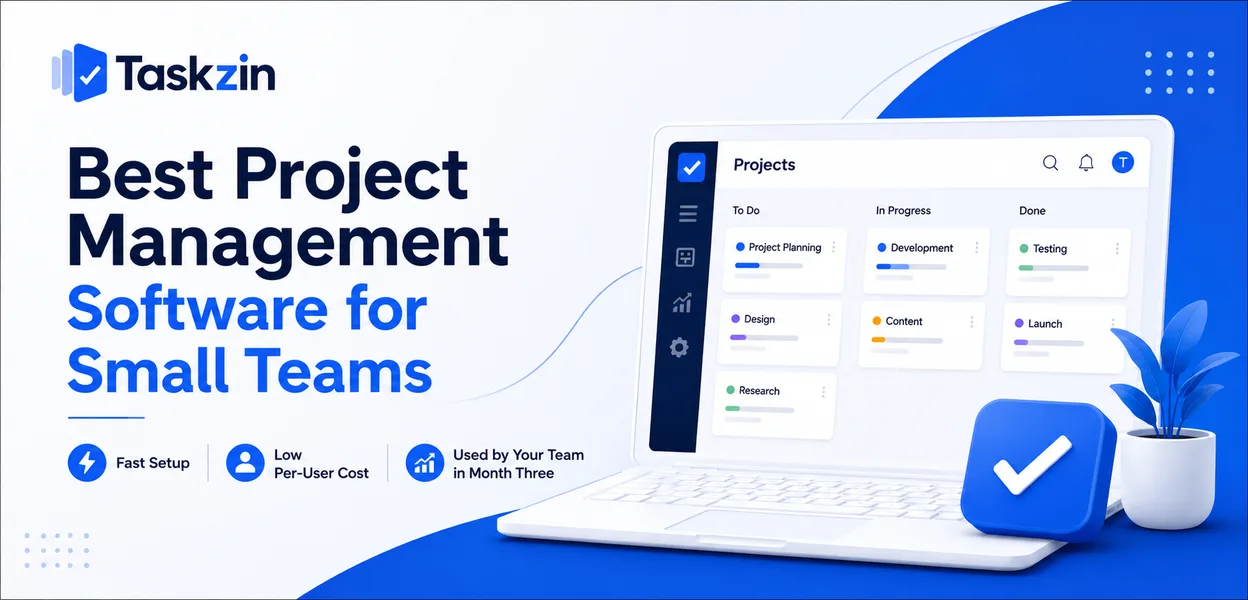
Best Project Management Software for Small Teams
A practical comparison of the best project management software for small teams, covering ten tools, realistic pricing, a selection framework based on your actual bottleneck, and the mistakes small teams make when choosing.
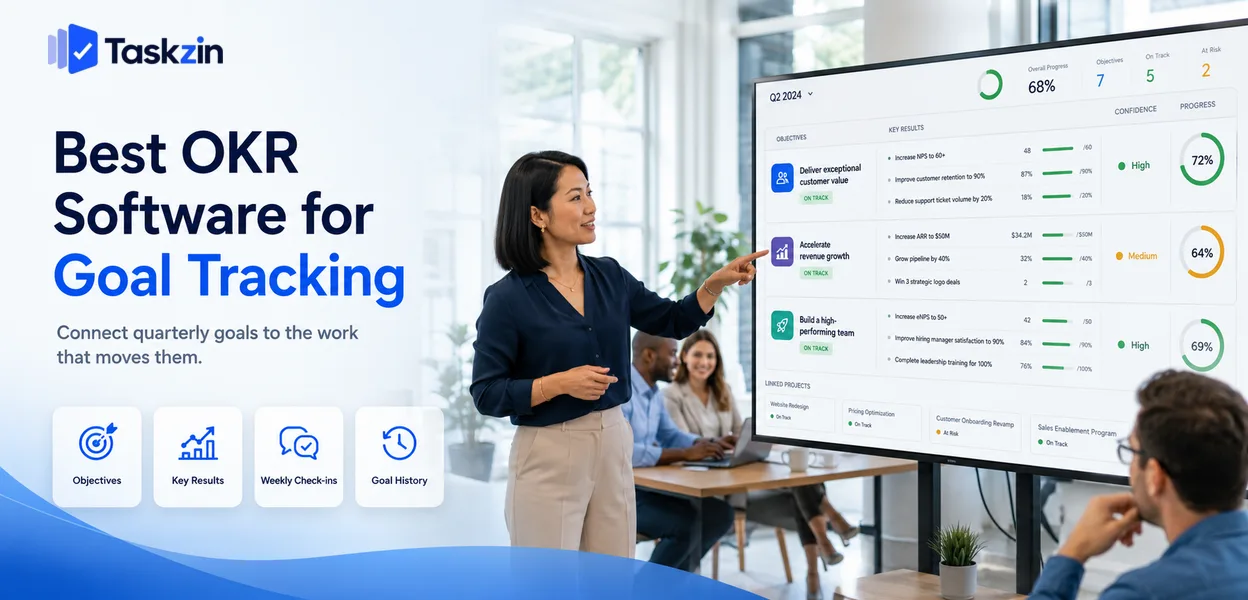
Best OKR Software for Goal Tracking
A comparison of the best OKR software for goal tracking, covering what the software must do, ten reviewed tools, how to run OKRs so there is something worth tracking, warning signs of a failing process, and common mistakes.
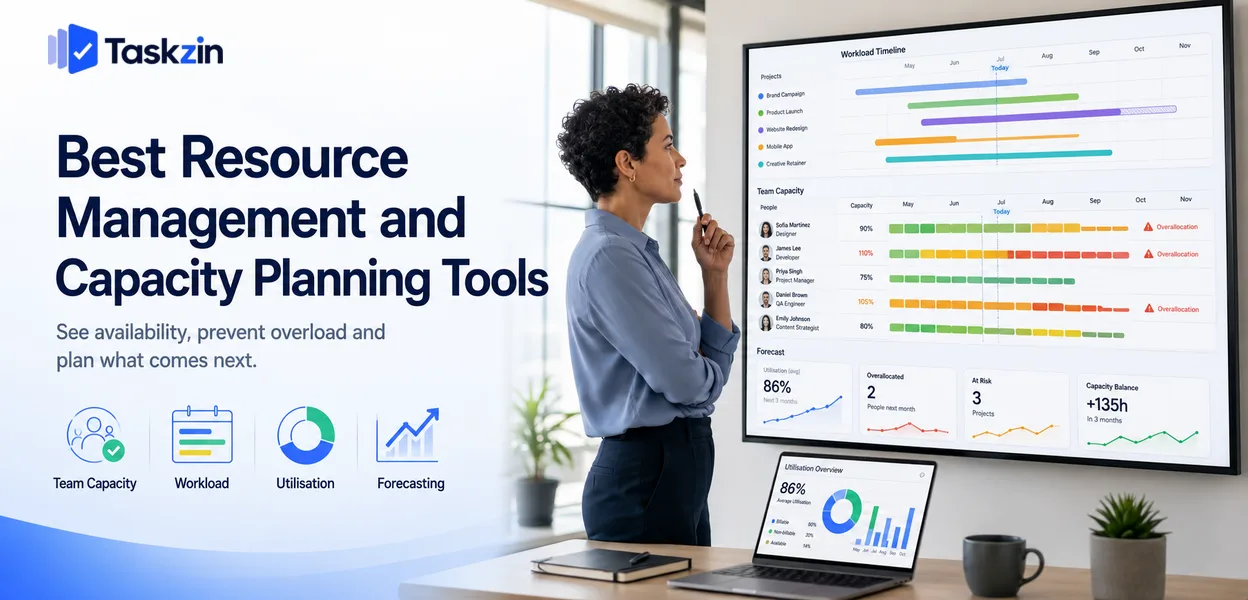
Best Resource Management and Capacity Planning Tools
A comparison of the best resource management and capacity planning tools, covering the problems they solve, ten reviewed options, how to set up planning based on real available hours, the metrics worth tracking, and common mistakes.
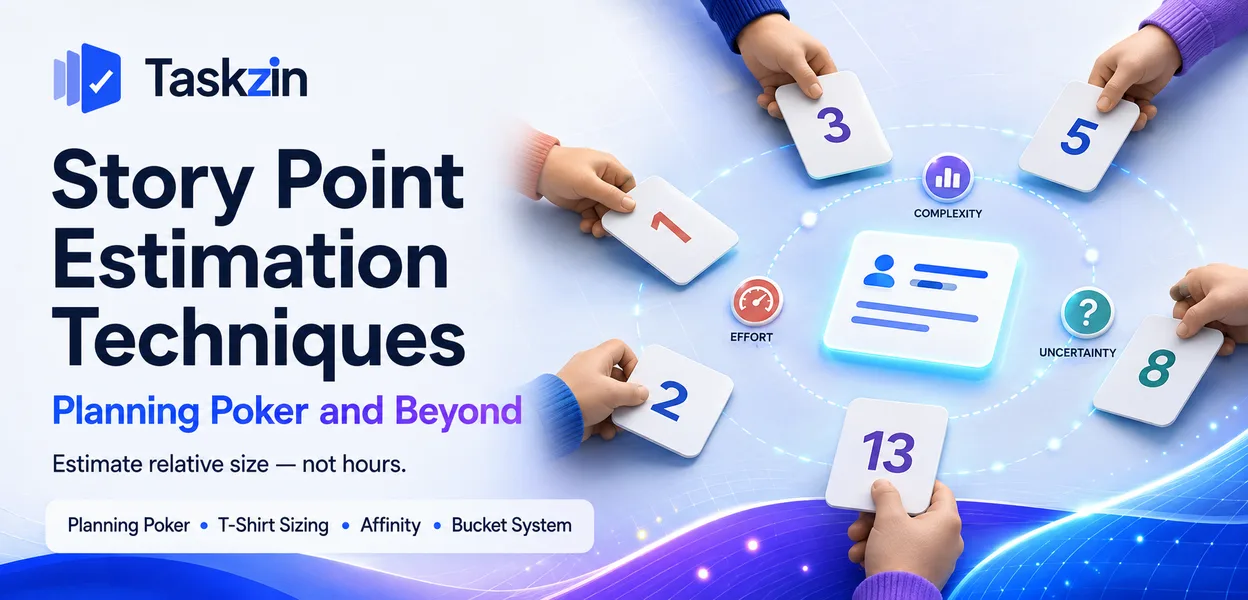
Story Point Estimation Techniques: Planning Poker and Beyond
A practical guide to story point estimation, covering what points actually measure, eight techniques compared, how to run planning poker properly, how to calibrate your team's scale, and the habits that make estimates meaningless.
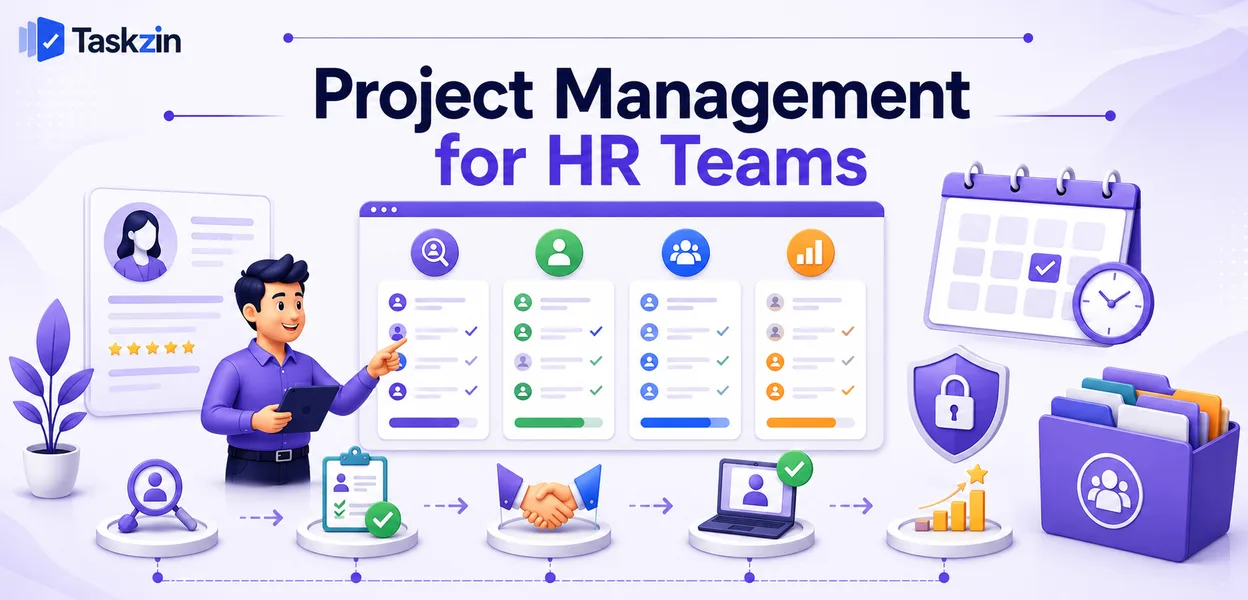
Project Management for HR Teams
A practical guide to project management for HR teams, covering what makes HR work different, which processes to template, running recruitment as a managed pipeline, fixing onboarding, and common mistakes.
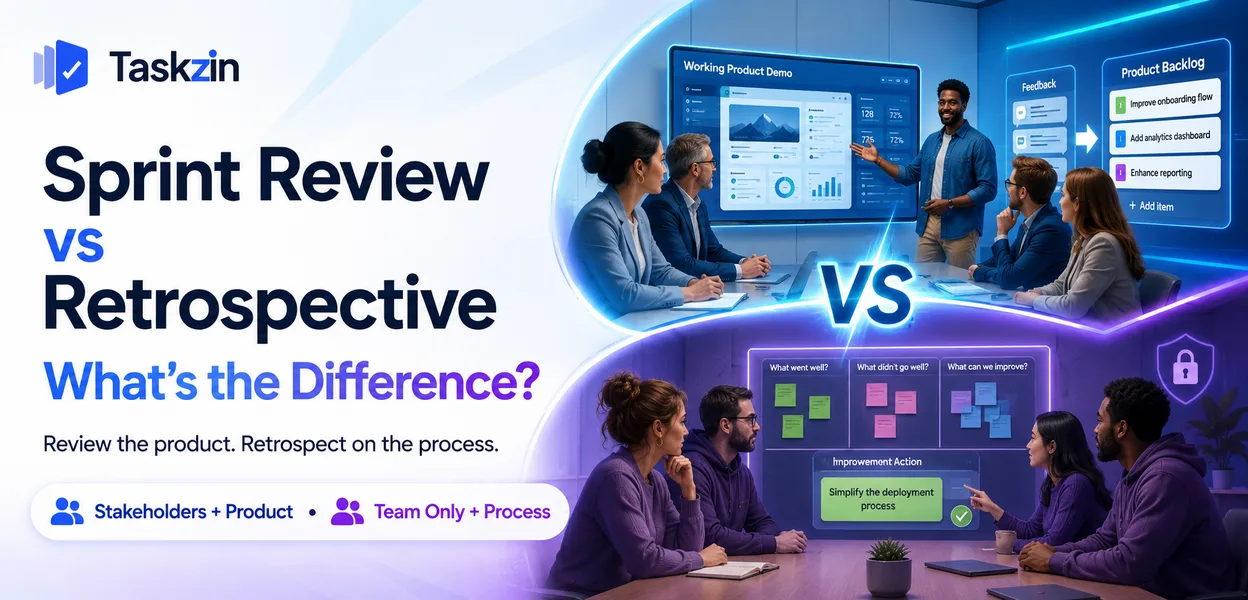
Sprint Review vs Retrospective: What's the Difference?
A clear explanation of sprint review versus retrospective, covering what each event inspects, who attends, what each produces, how to run both efficiently, and the mistakes that collapse them into one ineffective meeting.
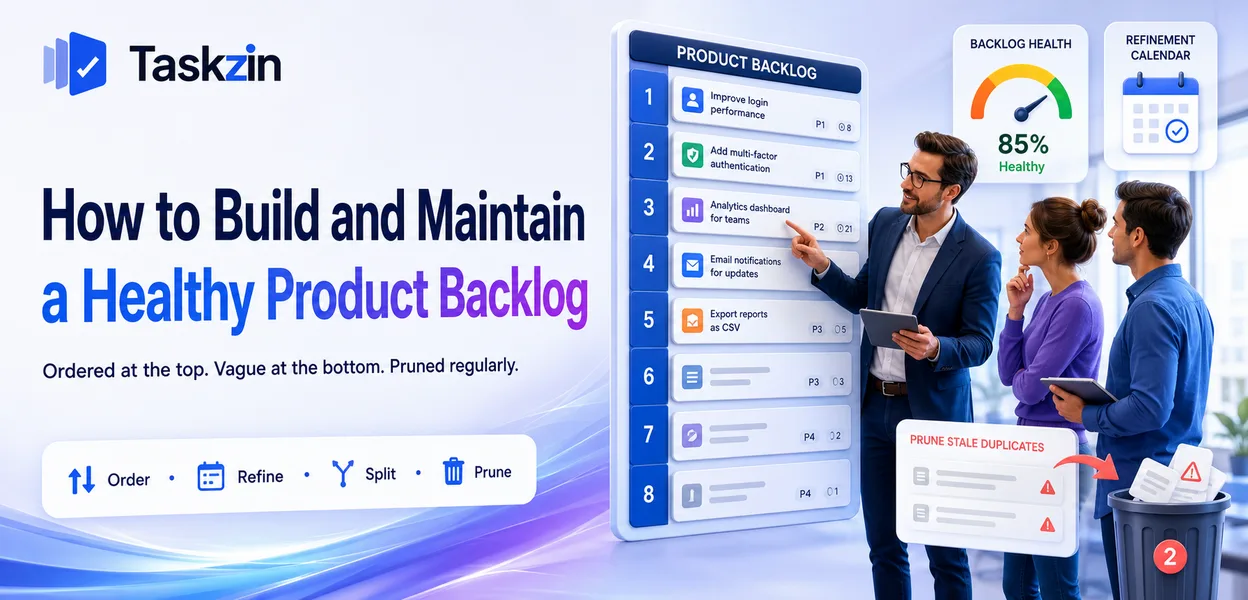
How to Build and Maintain a Healthy Product Backlog
A practical guide to product backlog management, covering what a healthy backlog looks like, how to build one from outcomes, the refinement habit that keeps it usable, prioritising without endless debate, and how to prune it.
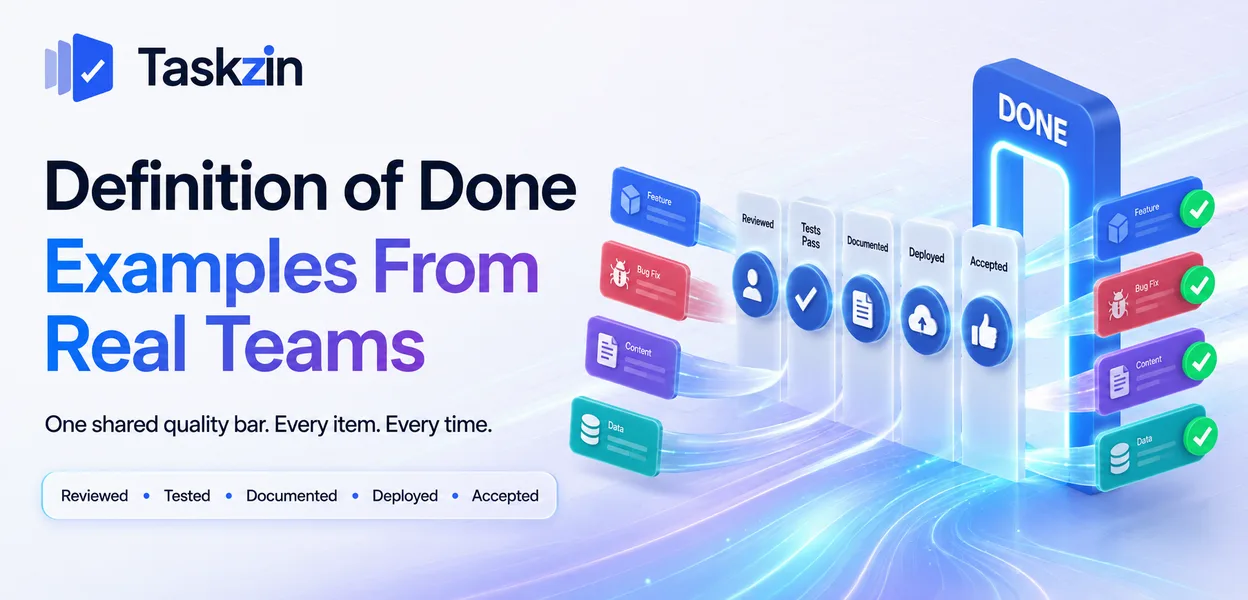
Definition of Done: Examples From Real Teams
A practical guide to the definition of done, covering what it is and how it differs from acceptance criteria, worked examples for five team types, how to write your first one, how to evolve it, and common mistakes.
Project Management for Software Engineering Teams
A practical guide to project management for software engineering teams, covering why software resists traditional planning, how to set up delivery, managing bugs and technical debt, flow metrics, and common mistakes.
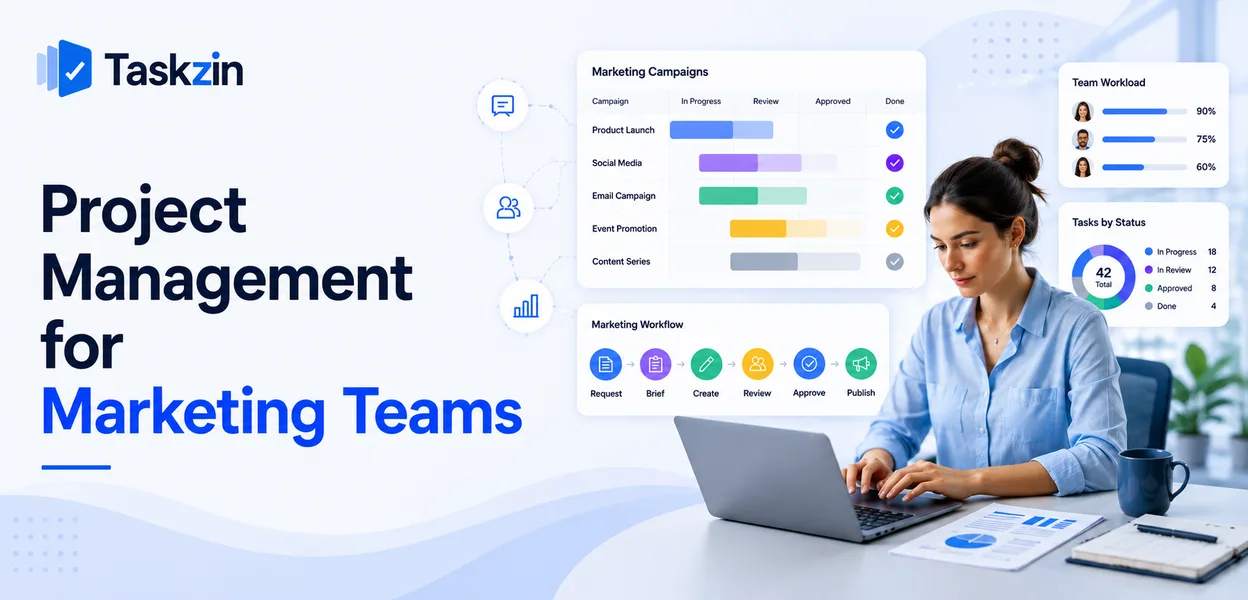
Project Management for Marketing Teams
A practical guide to project management for marketing teams, covering how marketing work actually flows, a stage-by-stage workflow, how to control intake and standardise briefs, the metrics worth tracking, and common mistakes.
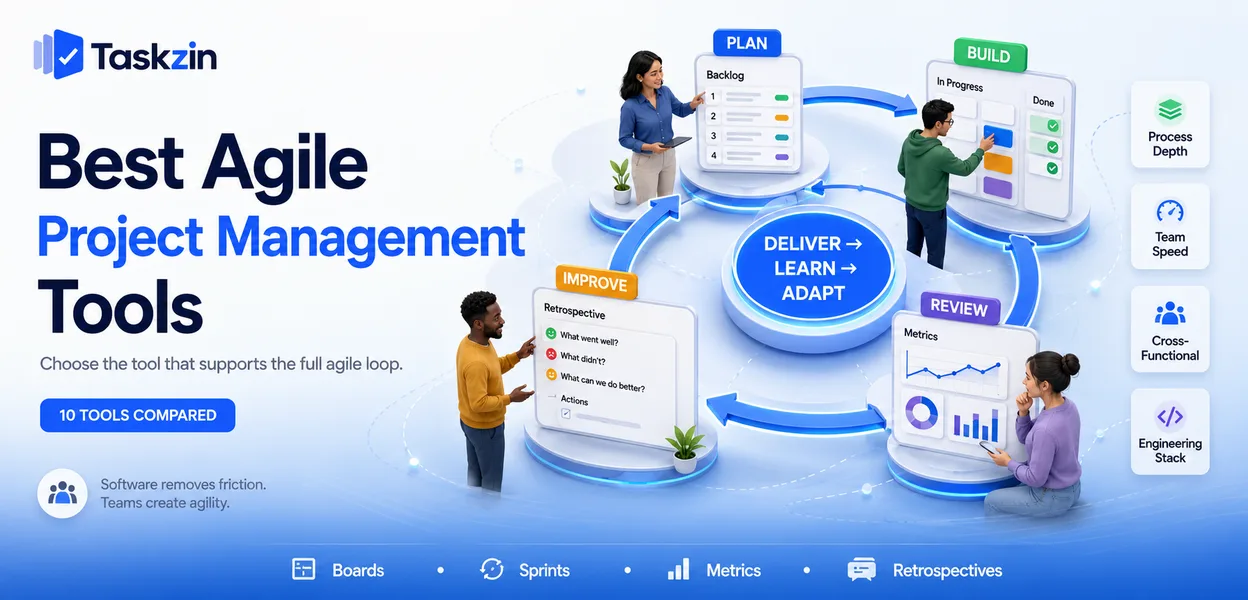
Best Agile Project Management Tools
A comparison of the best agile project management tools, covering what makes a tool genuinely agile, ten options reviewed, how to choose by framework, the metrics your tool should produce, and common adoption mistakes.
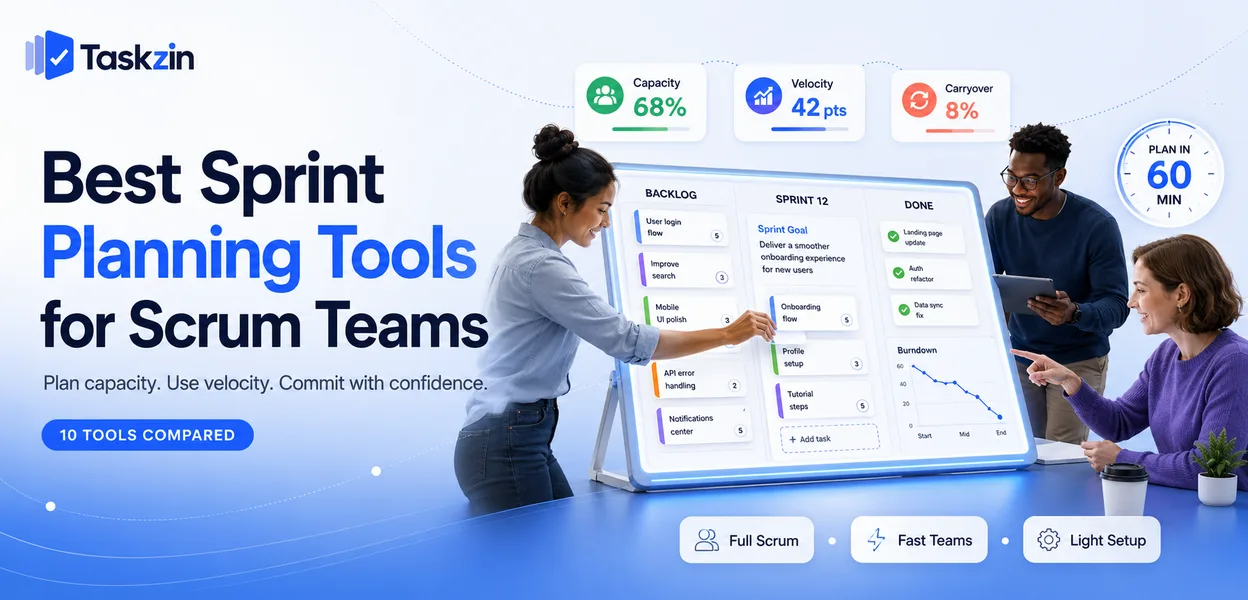
Best Sprint Planning Tools for Scrum Teams
A comparison of the best sprint planning tools for Scrum teams, covering what the software must support, ten tools reviewed on velocity and capacity, a practical planning process, estimation approaches, and common mistakes.
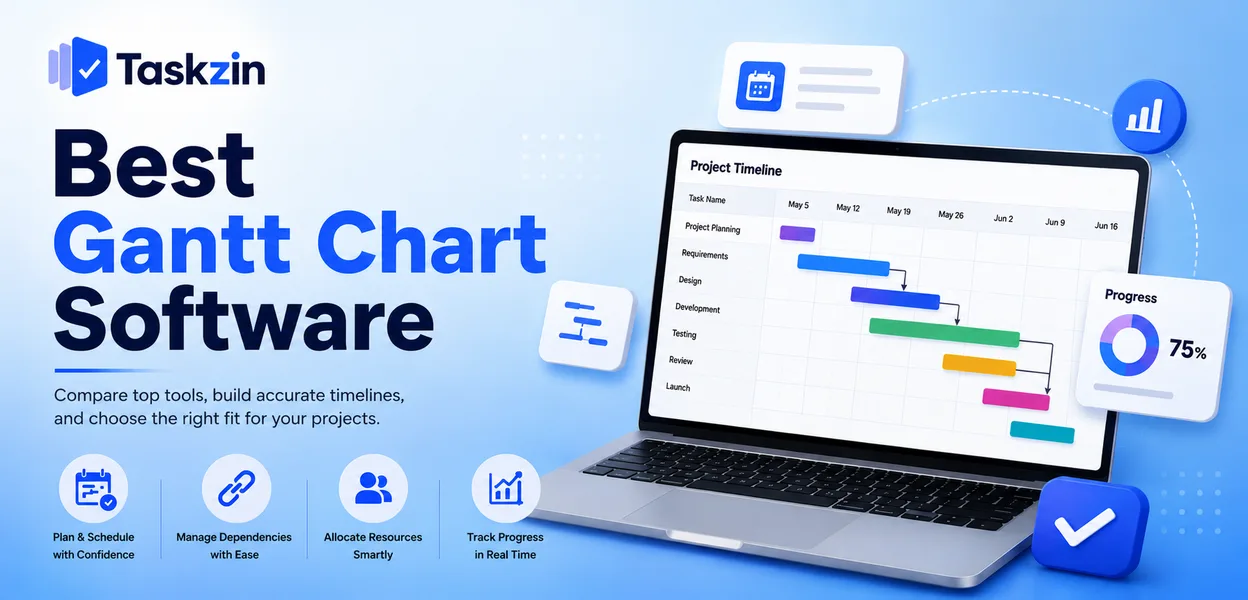
Best Gantt Chart Software
A comparison of the best Gantt chart software, covering what Gantt charts are genuinely for, ten tools reviewed on dependencies and critical path, a practical build guide, and when a timeline is the wrong tool.
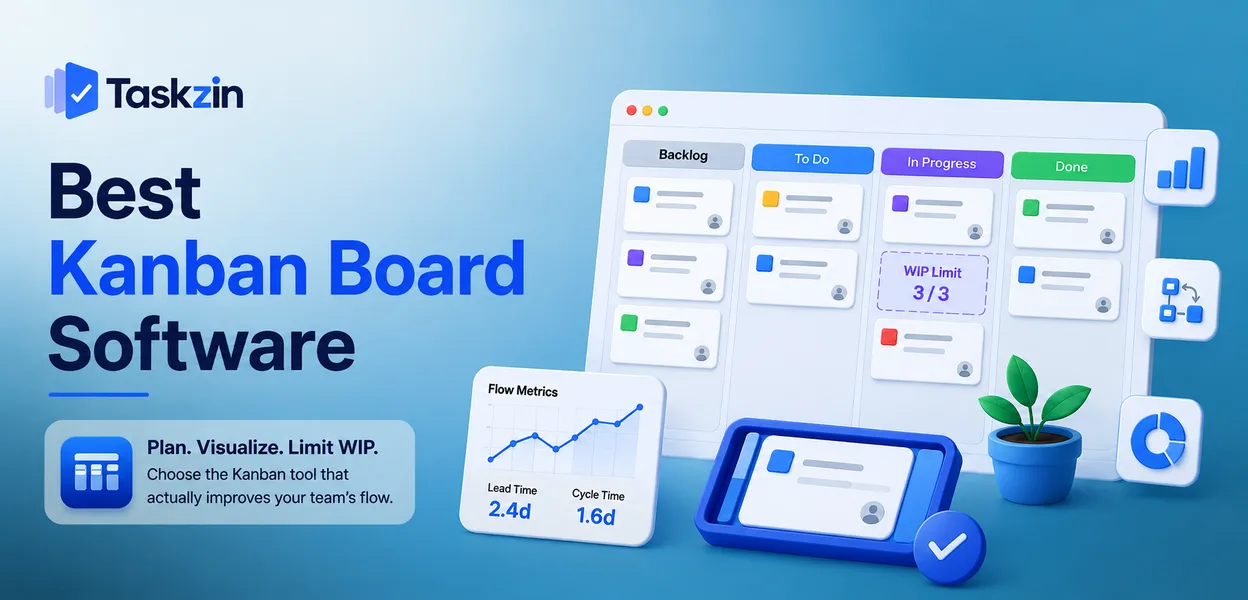
Best Kanban Board Software
A comparison of the best Kanban board software, covering what the method actually requires, ten tools reviewed on WIP limits and flow metrics, a practical setup guide, and the mistakes that make boards useless.
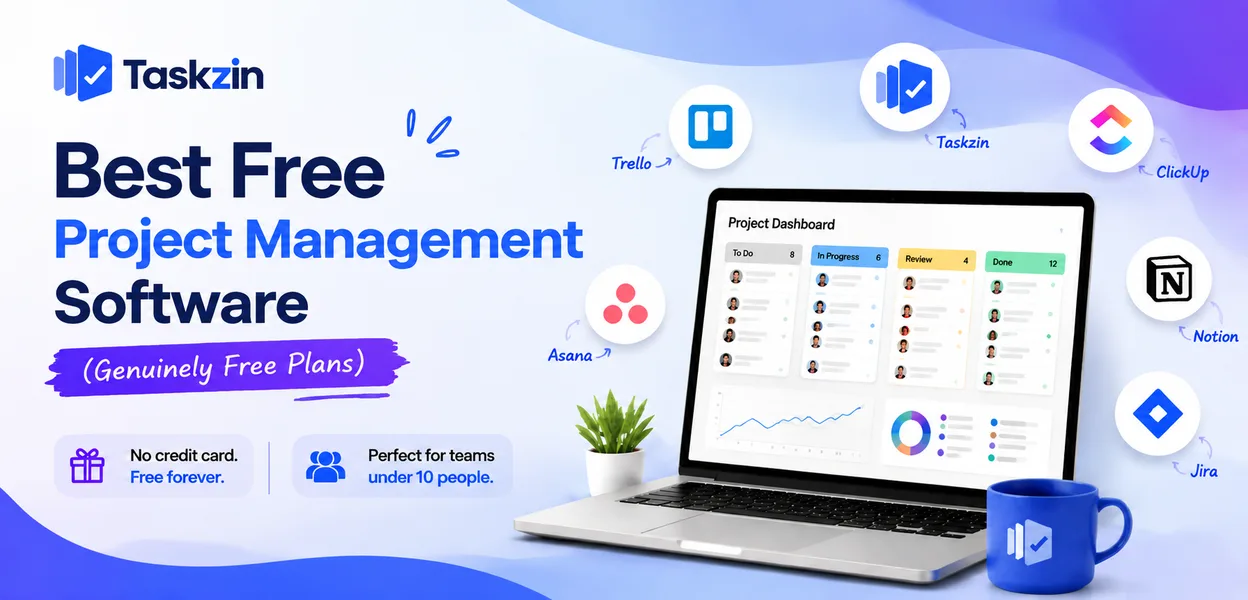
Best Free Project Management Software (Genuinely Free Plans)
A comparison of genuinely free project management software, covering free-forever plans versus trials, where each tool places its limits, which plan fits which situation, and the hidden costs behind free tiers.
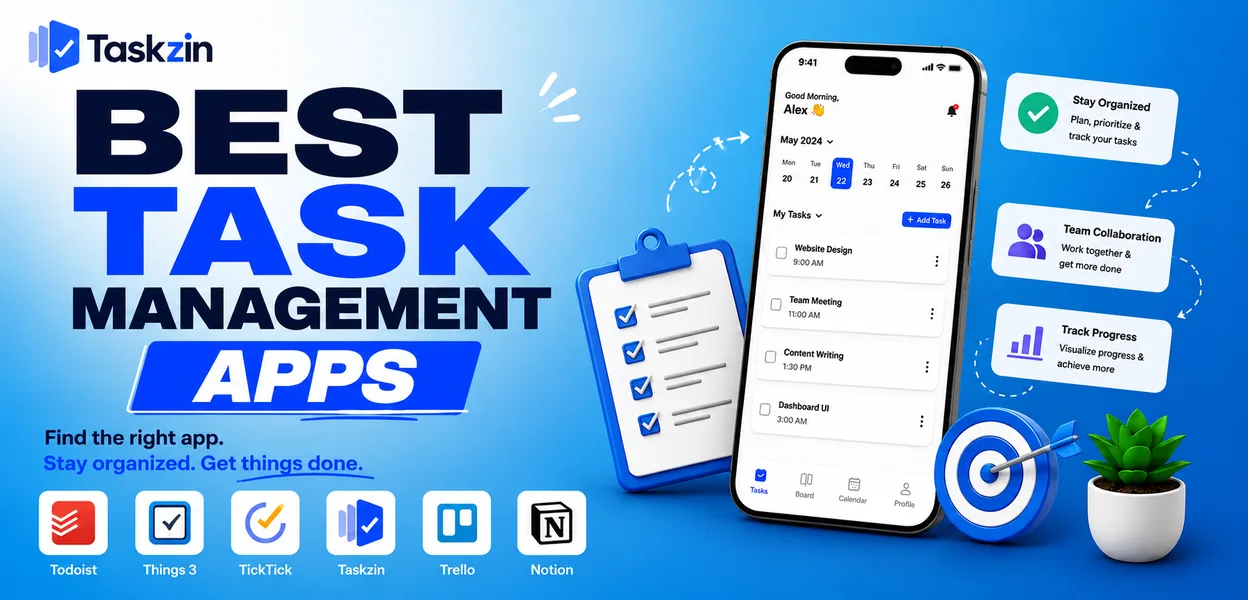
Best Task Management Apps
A comparison of the best task management apps for personal and team use, covering the difference between task and project management, ten reviewed options, selection criteria, methods that work in any app, and common mistakes.
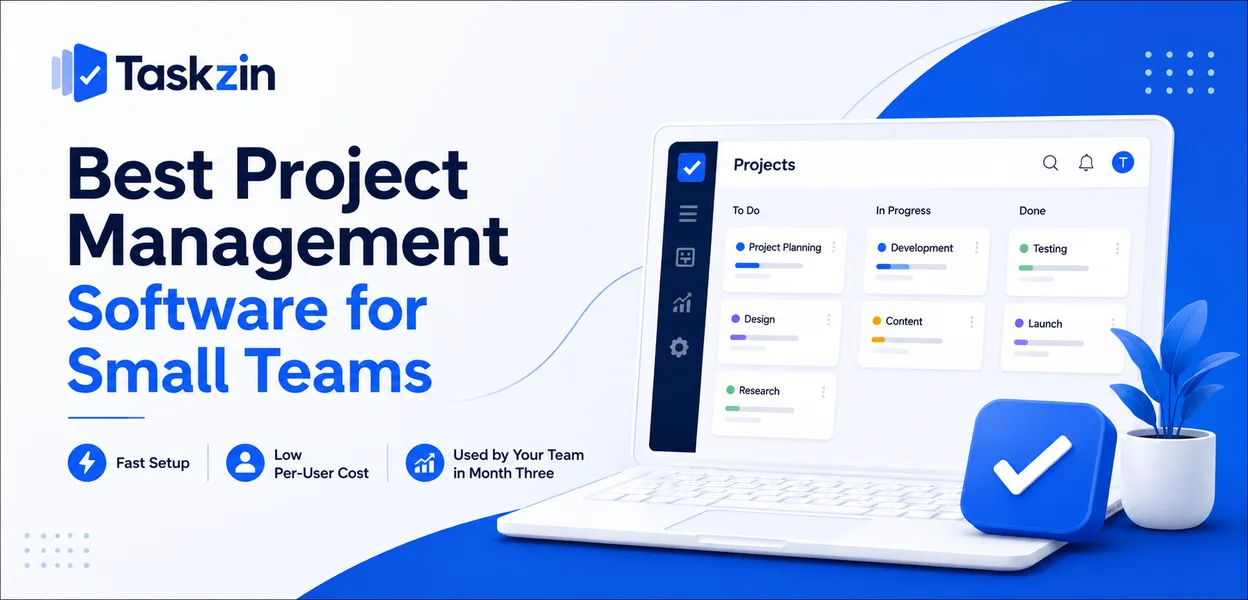
Best Project Management Software for Remote Teams
A comparison of the best project management software for remote and distributed teams, covering what changes when a team is remote, ten tools reviewed, how to run projects across time zones, and the mistakes remote organisations repeat.
Ship notes, monthly
One workflow idea and what we shipped. No fluff, unsubscribe anytime.
Your team already has the work. Give it a home.
Set up a workspace in under two minutes. Import from ClickUp, Jira, Asana or Trello in one click.
No credit card • Free 14 days • Cancel anytime